Fitness Equipment Manufacturers & Wholesale


Mastering the Dumbbell Lateral Raise: The Ultimate Guide to Sculpting Wider, Boulder Shoulders
When it comes to building an aesthetic, powerful physique, broad shoulders are arguably the most striking feature. A wide upper body creates the coveted V-taper look, instantly making the waist appear smaller and improving overall body symmetry. For individuals dealing with narrow or sloping shoulders, targeted resistance training is an absolute game-changer.
While compound movements like the overhead press are staples for raw strength, they often fail to isolate the specific muscle group responsible for lateral width. That is where the Dumbbell Lateral Raise steps in. In this comprehensive guide, we break down the mechanics, proper execution, and hidden pitfalls of this essential movement, helping your clients and members get the absolute most out of their dumbbell training.
Understanding the Target Anatomy: The Lateral Delt
The shoulder, or deltoid muscle, consists of three distinct heads: the anterior (front), lateral (middle), and posterior (rear) deltoids. Each plays a unique role in shoulder development:
| Deltoid Head | Primary Movement Plane | Impact on Physique |
| Anterior (Front) | Sagittal plane (Forward pressing) | Creates chest-to-shoulder thickness and front aesthetics. |
| Lateral (Middle) | Coronal plane (Lateral abduction) | Adds lateral width and the 3D “boulder shoulder” look. |
| Posterior (Rear) | Transverse plane (Horizontal row/fly) | Balances the upper back and prevents rounding. |
The dumbbell lateral raise specifically targets the lateral deltoid via coronal plane horizontal abduction. Because the movement path isolates this mid-section, the front and rear heads play minimal roles. This laser-focused isolation makes it the absolute number-one exercise for correcting sloping shoulders and expanding upper-body frame width.
Step-by-Step Execution Guide
To maximize muscle fiber recruitment and keep the shoulder joints healthy, execution must be flawless. Share these two fundamental steps with your athletes or gym members:
Step 1: The Setup & Starting Stance
Stand naturally with your feet positioned approximately shoulder-width apart to create a rock-solid, stable foundation. Keep your core tightly braced, your chest proudly lifted, and your spine perfectly neutral. Hold a pair of premium dumbbells at your sides with your arms fully extended downward, a soft micro-bend in your elbows, and your knuckles facing forward (neutral grip).
Step 2: The Ascent & Descent Path
Initiate the movement by raising both dumbbells simultaneously out to your sides. Focus on driving your elbows outward rather than lifting the weights with your hands. Continue the arc until your upper arms sit perfectly parallel to the ground. Arcing any higher shifts the load away from the lateral deltoids and dumps it onto the traps. Pause for a split second at the peak to maximize metabolic stress, then deliberately fight gravity as you lower the weights back along the exact same path to the starting position.
Why the Parallel Limit Matters: Stopping when your arms are parallel to the floor ensures continuous tension on the middle deltoid. If you venture past this threshold, the biomechanical leverage changes, and the weight no longer concentrates on the targeted shoulder muscle.
Critical Safeguards and Common Errors to Avoid
Despite looking simple on paper, the lateral raise is one of the most frequently butchered movements in the fitness world. Keep an eye out for these crucial execution details:
- Mind the Wrist and Elbow AlignmentThroughout both the lifting and lowering phases, ensure your elbows and wrists retain that subtle bend. This protects the joint capsules from shear force. A classic pro-tip: as you raise the dumbbells, slightly rotate your wrists so that your pinky fingers are tracking just a tiny bit higher than your thumbs at the very top of the movement, resetting as you descend.
- Eliminate Momentum and “Body English”Avoid rocking your torso forward or backward to swing the weights up. Using momentum completely defeats the purpose of isolation. Do not use a snapping or jerking motion to hoist the dumbbell. Keep your body upright and steady, forcing the side delts to do 100% of the work.
- Check Your Ego (Weight Selection over Egos)Choosing moderate, controllable weights with textbook form will always yield vastly superior lateral delt growth compared to swinging heavy dumbbells. When the load is too heavy, the body naturally compensates by shrugging, meaning the trapezius muscle hijacks the movement. For fitness enthusiasts looking to fix sloping shoulders, over-training the traps will only make the slope look more pronounced!
The Manufacturer’s Edge: Choosing the Right Gear
As a leading commercial fitness equipment manufacturer, we understand that an exceptional workout relies on exceptional tools. Standard, poorly balanced dumbbells can cause uneven torque on the rotator cuff during isolation movements.
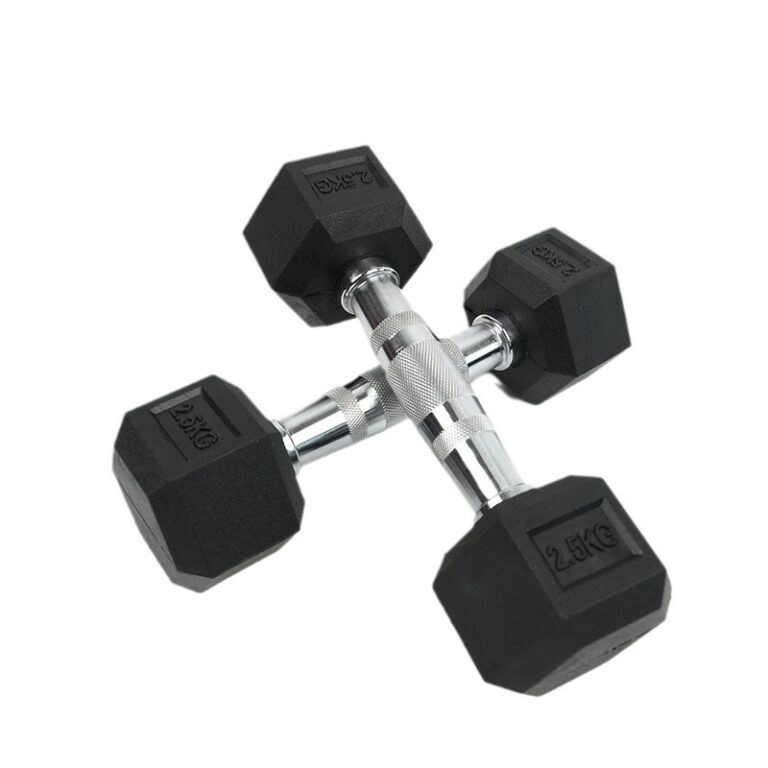
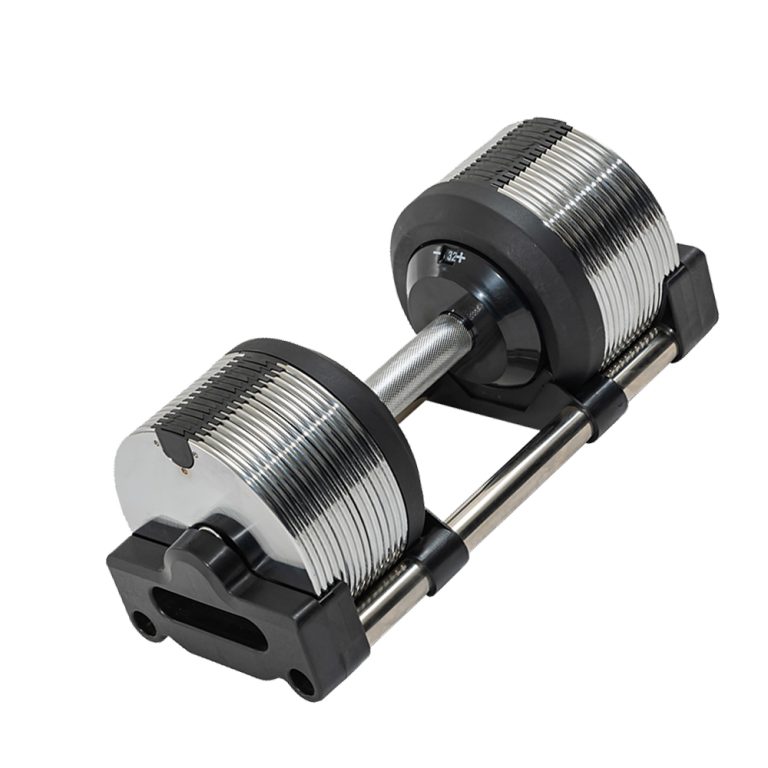
Our precision-engineered commercial dumbbells feature ergonomic, knurled handles for an unyielding grip, alongside optimized weight distribution that ensures smooth, predictable resistance throughout the entire range of motion. Equip your facility or retail line with gear designed to protect athletes and accelerate their results.