Fitness Equipment Manufacturers & Wholesale


The Treadmills User’s Guide to Gait Analysis: 3 Tech Tips for Longevity
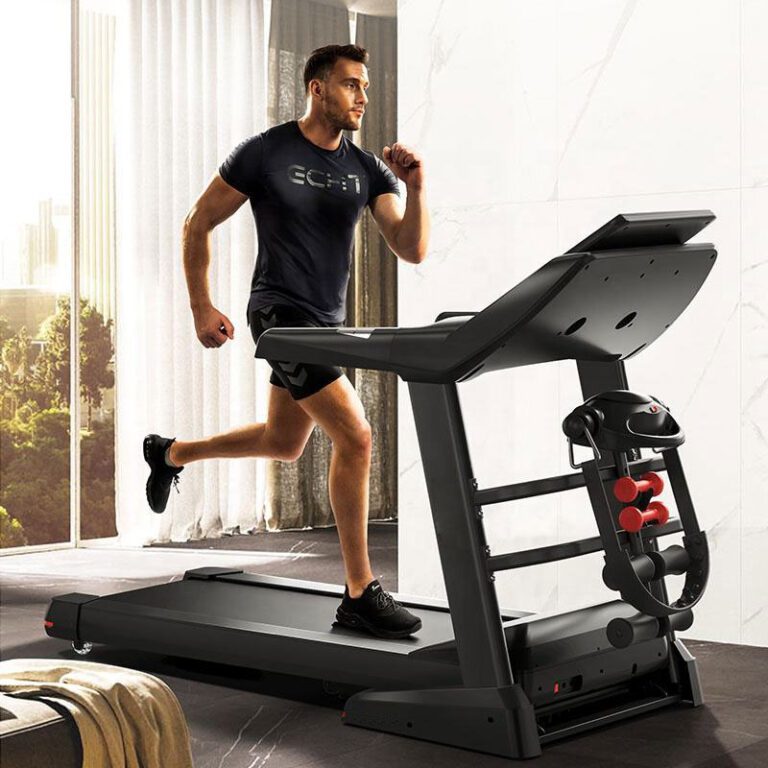
Have you ever noticed the wear pattern on the bottom of your running shoes? Or perhaps felt a nagging ache in your right knee that just won’t go away? Last week, I watched a newcomer at the gym struggling on a treadmills, his knees knocking inward with every heavy strike. It was a painful reminder that while running is the most natural human movement, 90% of sports injuries are hidden in the tiny details of our gait.
As a treadmill manufacturer, we don’t just build machines; we study how the human body interacts with them. Understanding gait analysis—once a “black tech” secret of elite athletes—is the key to running longer, faster, and pain-free.
1. The Silent Alarms in Your Feet
During a marathon prep last year, a professional gait test revealed that my arch collapsed by 3cm with every impact. It was like driving a long-haul truck with a slow leak in the front tire.
Modern biomechanics uses three core technologies to catch these issues before they become injuries:
- Plantar Pressure Mapping: Using electronic sensor pads to create a heat map of how your foot distributes weight.
- 3D Motion Capture: Tracking 21 joint markers to see exactly how your ankles and knees rotate in real-time.
- EMG Muscle Activation: Identifying “lazy” muscle groups that aren’t firing correctly during your stride.
Pro Tip: High-end treadmills now often integrate smoother deck cushioning to compensate for these pressure spikes, protecting your joints even if your form isn’t perfect yet.
2. The “Laboratory” Prescription for Muscle Imbalance
Data shows that if one leg is even 15-20% weaker than the other, your risk of knee injury over three years jumps by over 50%. If you feel “off-balance” while running on a treadmill, try this corrective “prescription”:
| Exercise | Frequency | Benefit |
| Single-Leg Box Squats | 3 sets × 15 reps | Balances unilateral strength |
| Banded Clamshells | 20 reps (AM/PM) | Activates glute medius for hip stability |
| Barefoot Grass Running | 10 mins (2x/week) | Strengthens the small stabilizing muscles |
3. Stop the “Energy Thieves”
Efficiency is the difference between a grueling run and a graceful one. Many runners suffer from “ineffective arm swings” or poor posture that steals their energy.
Are you making these mistakes on your treadmills?
- Shrugging Shoulders: Increases oxygen consumption by 15%. Keep your shoulder blades depressed and relaxed.
- Insufficient Push-off: Shortens your stride by up to 8cm. Use ladder drills to improve coordination.
- Leaning Too Far Forward: Increases the risk of iliopsoas (hip flexor) strain by 40%. Practice “tall running” by imagining a string pulling the crown of your head toward the ceiling.
4. From the Lab to Your Home Running Routine
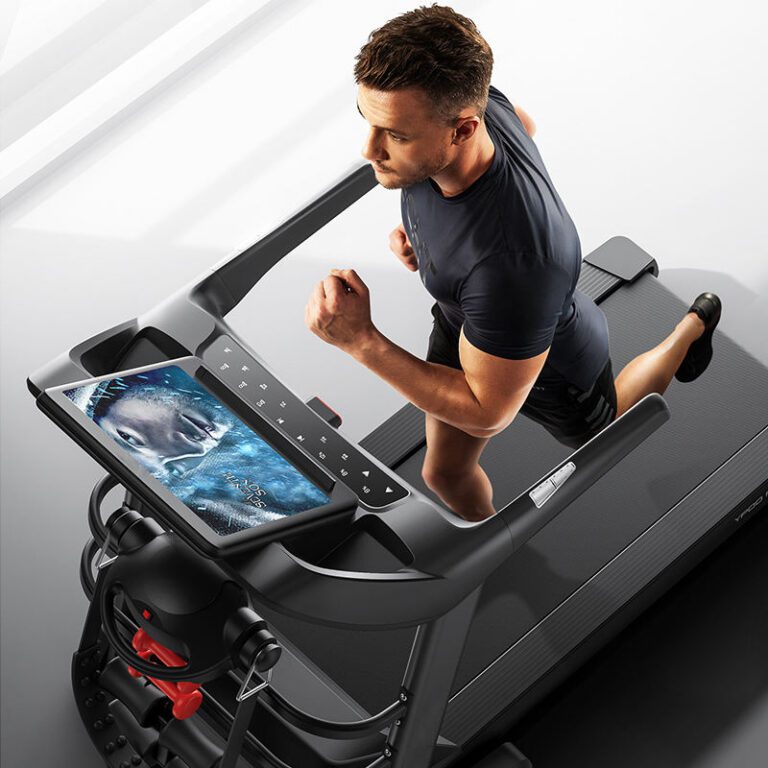
You don’t need a million-dollar lab to start analyzing your gait. Most common issues can be spotted using just your smartphone and a treadmills.
Next time you train, set up a tripod to the side of your treadmills and record yourself in slow motion. Look for:
- Foot Strike: Is your foot landing directly under your center of mass?
- Arm Angle: Are your elbows maintaining a consistent 90-degree angle?
- Alignment: Is your foot pointing straight ahead, or “duck-footing” outward?
Summary
As we say in our manufacturing facility: “Don’t just run hard; run smart.” Your treadmill is a tool for health, but your gait is the instruction manual for your body. By understanding the science of your stride, you turn every mile into an investment in your longevity rather than a tax on your joints.