Fitness Equipment Manufacturers & Wholesale


How to Evaluate Lead Times and Inventory Reliability When Sourcing Commercial Strength Equipment Overseas
Introduction
For gym owners, facility managers, and fitness equipment distributors, sourcing commercial strength equipment from overseas manufacturers offers significant cost advantages and access to a wide range of products. However, the success of such ventures hinges largely on two often-overlooked factors: lead times and inventory reliability. A supplier that quotes an attractive price but cannot deliver on time can disrupt your gym’s opening, force you to rent equipment, or damage your reputation. This article provides a professional framework for evaluating lead times and inventory reliability when sourcing strength equipment from overseas, ensuring your procurement process is as robust as the equipment you buy.
Why Lead Times and Inventory Reliability Matter
Commercial strength equipment—from dumbbells and benches to adjustable dumbbells and cardio machines—is the backbone of any fitness facility. When you source overseas, you introduce variables such as ocean freight, customs clearance, and factory production schedules. Unreliable lead times can delay your grand opening, disrupt replacement cycles, and frustrate your members. Inventory reliability ensures that the products you order are consistently available, especially if you need to reorder popular items like hexagonal rubber-coated dumbbells or spinning bikes. A supplier with reliable inventory and transparent lead times becomes a strategic partner, not just a vendor.
Key Factors That Influence Lead Times
Production Capacity and Scheduling
Overseas manufacturers often run production in batches. If your order coincides with peak season (e.g., pre-summer or New Year), lead times can extend. Ask your supplier about their production capacity, current order backlog, and whether they prioritize large or repeat customers. A factory that produces a narrow range of products—such as only electroplating chrome dumbbells—may have more predictable schedules than one with a vast catalog.
Raw Material Availability
Steel, rubber, and plastic components are subject to global supply fluctuations. A supplier that maintains strong relationships with raw material vendors and holds safety stock is less likely to face delays. Inquire about their material sourcing strategy and whether they have backup suppliers.
Shipping and Logistics
Ocean freight lead times vary by port, carrier, and season. Congestion at major ports can add weeks. Your supplier should provide realistic estimates that include door-to-door delivery, not just factory departure. For urgent orders, air freight is an option but costly. Discuss both scenarios.
Customs and Compliance
Customs clearance can be a wild card. Ensure your supplier provides accurate documentation and complies with import regulations in your country. Delays here can negate any production efficiency.
How to Evaluate a Supplier’s Inventory Reliability
Request Real-Time Inventory Data
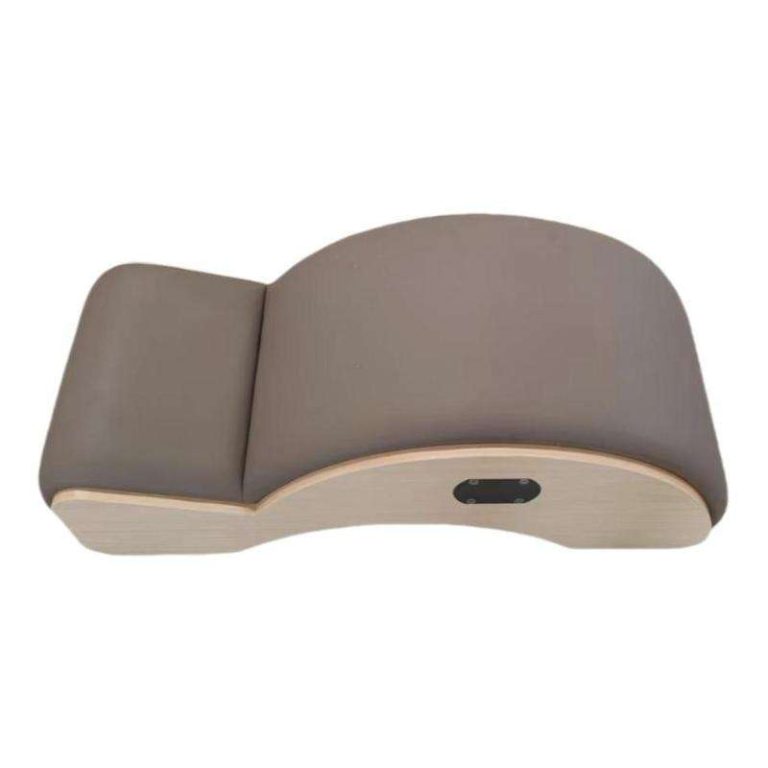
Reliable suppliers can share live inventory levels for key products. Ask for a report showing current stock of items like spinning bikes or Wunda chairs. If they hesitate or provide vague answers, that’s a red flag.
Check Historical Fulfillment Rates
Ask for references from other commercial clients and inquire about on-time delivery rates. A supplier with a 95% on-time rate is far more reliable than one at 70%. Also, ask how they handle backorders and whether they communicate proactively.
Assess Safety Stock Policies
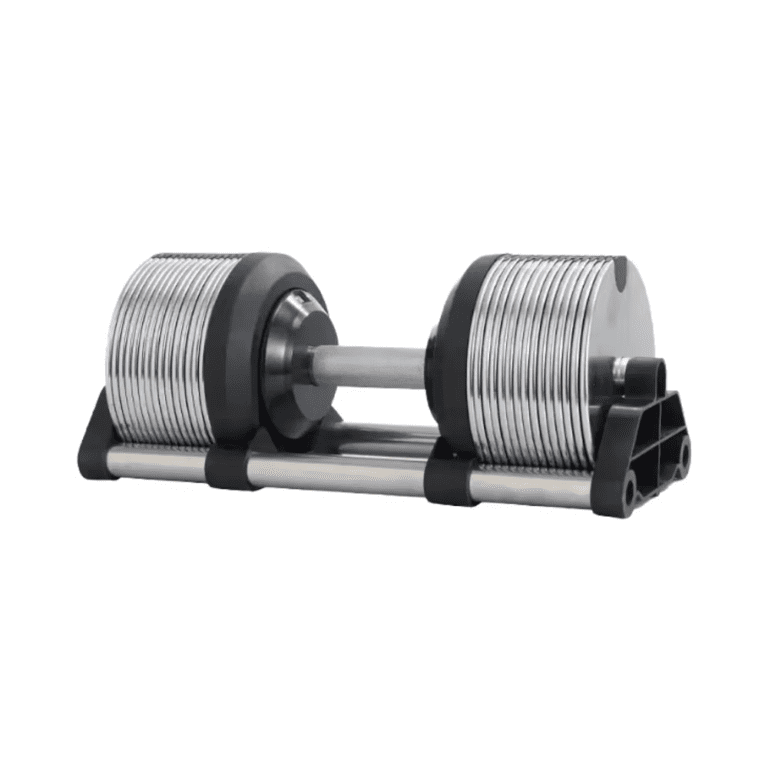
Suppliers that hold safety stock of popular items—such as second generation adjustable dumbbells—can fulfill orders faster. Ask if they offer guaranteed inventory for contract customers.
Visit or Audit the Factory (Virtually or In Person)
A physical or virtual audit can reveal whether the factory has organized inventory management, adequate warehouse space, and efficient production lines. Look for signs of disorganization or overpromising.
Questions to Ask Your Overseas Supplier
Before signing a contract, ask these questions to gauge lead time and inventory reliability:
- What is your current production lead time for a typical order of 100 units?
- Do you hold safety stock for fast-moving items? Which ones?
- What percentage of orders shipped on time in the last 12 months?
- How do you communicate delays or disruptions?
- Can you provide a door-to-door shipping estimate including customs?
- What are your payment terms and do they change with order size?
- Do you offer a guaranteed delivery window with penalties for late delivery?
These questions will help you separate reliable manufacturers from those that might leave you stranded.
Red Flags to Watch For
Be cautious if a supplier:
- Quotes unusually short lead times that seem too good to be true.
- Cannot provide specific inventory data or references.
- Requests full payment upfront without a production schedule.
- Has inconsistent communication or avoids questions about delays.
- Offers prices significantly lower than competitors—often a sign of cut corners.
Trust your instincts and verify everything.
Building a Contingency Plan
Even with a reliable supplier, disruptions happen. Mitigate risks by:
- Ordering ahead of peak seasons.
- Maintaining a safety stock of critical items in your own warehouse.
- Identifying backup suppliers for key products.
- Negotiating flexible delivery terms and penalties for delays.
- Using a freight forwarder with experience in fitness equipment.
For example, if you rely on air bikes for HIIT classes, having a few extra units on hand can keep classes running if a shipment is late.
Conclusion
Sourcing commercial strength equipment overseas can be highly rewarding, but only if you prioritize lead times and inventory reliability. By asking the right questions, auditing suppliers, and building contingency plans, you can ensure your gym or distribution business runs smoothly. Remember that the cheapest quote is not always the best value—reliability and transparency are worth the investment. At Uport Fitness, we are committed to providing accurate lead times and dependable inventory for our global partners. Explore our range of dumbbell racks and other commercial equipment to see how we support your success.
Practical Risk-Mitigation Framework for Buyers
To translate lead-time and inventory assessments into action, institute a structured supplier evaluation protocol. Begin with a Request for Information (RFI) that requires each candidate to disclose current production capacity, average lead times for the specific product categories you need, minimum order quantities, and the location and size of their finished-goods inventory. Follow up with a Request for Quotation (RFQ) that asks for a binding production schedule with milestone dates: raw-material procurement, fabrication, powder coating or finishing, assembly, quality inspection, and packing. Insist that these milestones be written into the purchase contract, along with penalties or remediation clauses for late delivery and agreed remedies such as partial shipments or expedited freight at the supplier’s cost.
Before committing, validate supplier claims through third-party inspections and factory audits. A qualified inspection firm can verify production capacity, review inventory records, and confirm that the supplier is not overbooking orders. Request historical on-time delivery rates and customer references from buyers with similar order profiles, and check for any pattern of stockouts or backorders. Diversify risk by splitting large orders between two qualified suppliers, and maintain a rolling safety stock of critical components or completed units at a domestic warehouse if your budget allows. Finally, build a contingency timeline into your project plan that assumes the supplier’s quoted lead time will slip by 20–30 percent, and secure alternative freight routes and customs brokers in advance. By combining contractual protections, independent verification, and contingency planning, you convert lead-time and inventory uncertainty from a project-threatening risk into a manageable variable.