Fitness Equipment Manufacturers & Wholesale


How to Judge Gym Upholstery for Sweat and Longevity
Why Commercial Gym Upholstery Materials Make or Break Your Equipment Investment
Selecting high-performance commercial gym upholstery materials directly protects your capital expenditure by preventing premature seam failure, bacterial growth, and costly equipment replacements. Uport Fitness engineers these surfaces to endure intense sweat exposure while maintaining structural integrity across thousands of daily use cycles.
Key Takeaways
- Prioritize antimicrobial coatings to inhibit bacterial growth in high-sweat zones.
- Match fabric abrasion ratings to your facility’s peak daily usage volume.
- Calculate five-year operating costs to justify premium material investments.
- Verify manufacturer warranties cover sweat degradation rather than just structural defects.
- Request physical samples before committing to bulk orders across multiple stations.
The hidden cost of worn upholstery: replacement cycles, member complaints, and downtime
Worn padding and peeling fabric trigger immediate member dissatisfaction in shared training spaces. Facilities typically replace deteriorated seats every two to three years when using standard consumer-grade foams. Replacing individual cushions disrupts class schedules and forces operators to source partial shipments at retail markups. These frequent micro-purchases inflate operational overhead far beyond initial budget forecasts. Proper material selection eliminates surprise downtime during peak morning and evening booking windows.
What this guide covers: sweat resistance, durability, and total cost of ownership
This evaluation framework examines moisture management, abrasion thresholds, and chemical compatibility for high-traffic strength areas. We analyze how foam density interacts with synthetic outer layers to prevent compression fatigue. The guide also maps maintenance routines against realistic cleaning schedules used by certified technicians. Ultimately, you will learn to calculate long-term value instead of chasing lowest upfront pricing.
Who should read this: hotel gym operators, PT studio owners, and commercial box managers
Boutique operators managing multi-purpose rooms require fabrics that transition seamlessly between assisted stretching and heavy lifting. Hotel fitness directors prioritize aesthetic consistency and rapid sanitization between guest stays. Cross-training facility managers demand tear-resistant surfaces that survive dynamic movements and dropping weights near seating zones. Each environment dictates specific performance thresholds that this analysis addresses.
Market Shift: Why Sweat-Resistant Gym Upholstery Is Now a Priority
Rising hygiene expectations and high-turnover training formats (HIIT, functional fitness)
Modern programming pushes participants into sustained anaerobic states that generate significant perspiration. HIIT circuits and metabolic conditioning classes compress workout volumes into shorter timeframes, multiplying contact frequency on benches and pads. Members now expect clinically hygienic surfaces comparable to spa environments. Fabric manufacturers have responded by integrating hydrophobic barriers that repel fluids immediately upon contact.
Supply considerations: PU vs PVC vs vinyl-coated fabrics and sourcing lead times
Polyurethane offers superior breathability but requires careful coating application to maintain moisture blocking capabilities. Polyvinyl chloride provides exceptional waterproofing yet demands stricter environmental compliance during manufacturing. Vinyl-blended textiles balance flexibility with aggressive chemical resistance for heavy disinfection protocols. Global shipping fluctuations currently extend delivery windows to eight to twelve weeks for specialized synthetics. Integrating flexible training tools like Battle Ropes for Commercial Gyms: What They Train, How to Choose a Length and Diameter, and Why Buyers Reorder amplifies sweat generation without compromising pad stability.
How upholstery choices affect equipment lifespan and resale value
Degraded padding accelerates corrosion on underlying metal frames when moisture seeps into weld seams. Premium fabrics shield mechanical components from acidic sweat compounds that attack powder coats and cast joints. Resale databases show fully restored machines with intact upholstery commanding fifteen to twenty percent higher secondary market prices. Ignoring surface protection shortens asset depreciation timelines significantly. Investing in robust fabrics preserves engineering tolerances for future buyers.
Key Criteria for Evaluating Gym Upholstery for Sweat and Durability
Sweat and moisture resistance: absorption rate, surface sealing, and antimicrobial treatments
Effective moisture management begins with closed-cell polyurethane foam cores rated below five percent water absorption. Surface layers must feature continuous polymer sealing without perforated stitching that traps liquids. Antimicrobial agents like silver-ion additives or quaternary ammonium compounds interrupt microbial replication pathways. Facilities running twenty-four-hour operations require certifications meeting NSF sanitation standards for public fitness environments.
Abrasion and tear resistance: Martindale cycles, tensile strength, and double-stitched seams
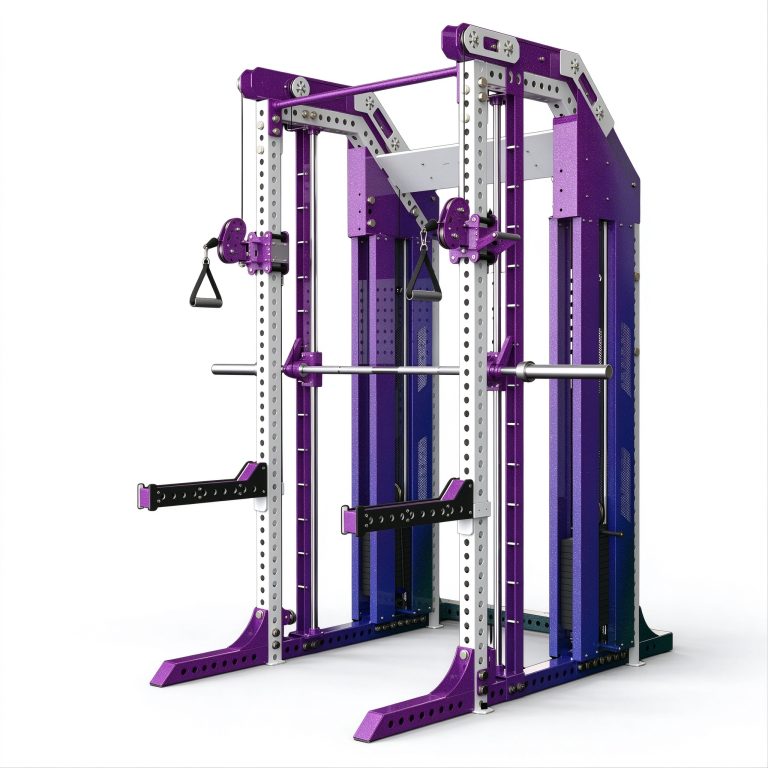
High-frequency friction testing measures fabric survival against repeated rubbing motions exceeding thirty thousand Martindale cycles. Tensile strength specifications should surpass four hundred newtons per centimeter to withstand sudden load shifts during explosive lifts. Double-locked stitch patterns prevent seam unraveling when users adjust positions dynamically. Reinforced stress points near hinge mechanisms require triple-layer overlapping patches to block tearing propagation. This attention to detail mirrors how we engineer the All-in-one multifunctional Smith Machine Power Rack built with weight stack for maximum load distribution.
Cleanability and chemical resistance: common gym cleaners, disinfectants, and staining agents
Surfaces must tolerate quarterly hydrogen peroxide sprays and daily isopropyl alcohol wipes without fading or cracking. Quaternary ammonium solutions break down protein-based sweat residues without degrading polymer bonds. UV-stable dyes prevent color shift when exposed to harsh oxidizing bleaches. Testing panels in controlled lab conditions reveal which formulations preserve gloss levels and structural elasticity over extended exposure periods.
Comfort and grip: foam density, surface texture, and breathability trade-offs
Optimal pressure distribution relies on medium-density polyfoam ranging between forty-five to fifty-five kg/m³. Micro-perforated textures channel air away from contact zones while maintaining sufficient traction for bare skin. Excessive porosity compromises fluid blocking capabilities, so designers balance permeability with sealed backing layers. Ergonomic contouring reduces muscle fatigue during prolonged static holds or tempo repetitions.
Weighted scoring: how to rank criteria for your facility type
Procurement teams assign percentage weights to each parameter based on expected user behavior and environmental controls. Moisture resistance typically carries thirty percent priority for unventilated basement facilities. Abrasion tolerance dominates scoring for open-floor group exercise zones where equipment moves frequently. Chemical compatibility receives twenty-five percent emphasis when housekeeping staff rotate commercial sanitizers weekly. Ranking systems streamline vendor comparisons and align purchasing with operational realities.
| Material Type | Martindale Cycles | Moisture Absorption (%) | Price per Sqm (USD) | Warranty Coverage |
|---|---|---|---|---|
| Breathable Textured PU | 30,000+ | <4.5 | $28–$35 | 3 Years |
| Reinforced PVC Coating | 50,000+ | <1.0 | $42–$58 | 5 Years |
| Antimicrobial Vinyl Blend | 40,000+ | <2.5 | $32–$46 | 4 Years |
| Mesh-Backed Heavy Duty | 60,000+ | <3.0 | $48–$65 | 5 Years |
Top Upholstery Material Options for Hotel Gyms, PT Studios, and Commercial Boxes
Hotel gyms: low-traffic, high-aesthetic needs — performance vinyl and easy-clean PU
Hospitality fitness centers prioritize visual continuity with lobby furniture and rapid turnover sanitization. Gloss-finished vinyl resists scuff marks from athletic footwear while accepting mild detergent wipes between guest visits. Light-colored PU variants conceal minor dust accumulation better than matte alternatives. Operators select standardized color palettes to match interior design themes without sacrificing practical cleaning speeds.
PT studios: balance of comfort and sweat resistance — textured PU and antimicrobial fabrics
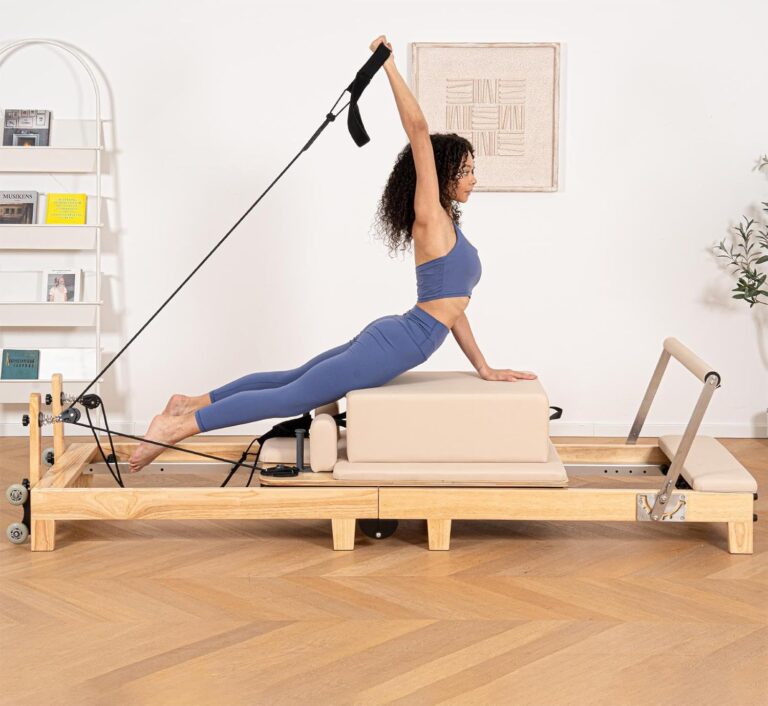
Private coaching environments demand tactile feedback for hands-on cueing alongside durable fluid barriers. Soft-touch textured PU delivers enough grip for manual resistance work without sticking to client skin. Embedded copper-zinc antimicrobial matrices reduce cross-contamination risk during consecutive personal sessions. Studio owners often pair these surfaces with removable washable covers for deep interval cleaning. This approach complements precision apparatus like the Maple Wood Material Yoga Gym Fitness Wall-Mounted Trainer functional for home commercial use and personal training in hybrid wellness spaces.
Commercial boxes: high-intensity, heavy-sweat environments — reinforced PVC and coated mesh
Cross-training facilities subject equipment to aggressive lateral movements and constant sweat saturation. Thick PVC laminations withstand repeated impact from kettlebell swings and rope drills. Ventilated mesh backings accelerate evaporation during maximal effort circuits. These zones typically integrate quick-release mounting brackets allowing staff to detach and pressure-wash pads during nightly maintenance rotations.
Budget and Total Cost of Ownership: Upfront Price vs 5-Year Operating Cost
Upfront cost per square meter: material, labor, and minimum order quantities
Raw synthetic sheet pricing fluctuates between twenty-eight and sixty-five dollars per square meter depending on thickness and additive packages. Custom die-cutting services add twelve percent for precision shaping around curved bench profiles. Manufacturers typically enforce minimum order thresholds of one hundred square meters to activate factory pricing tiers. Logistics fees increase substantially when consolidating disparate material types into single container loads. Pairing upholstery with foundational gear like Durable EPDM Rubber Home Gym Flooring Rolls Commercial and Domestic Use Mats optimizes shipping efficiency.
5-year operating cost breakdown: cleaning supplies, repairs, and replacement frequency
Standardized low-cost fabrics trigger biannual reupholstering cycles costing roughly eighteen thousand dollars annually for a fifty-station layout. Premium selections extend service intervals to five or seven years, reducing labor invoices by sixty percent. Routine sanitizer consumption drops when hydrophobic surfaces prevent deep penetration of organic residues. Preventive maintenance budgets shift from reactive patching toward scheduled inspection protocols.
When premium upholstery pays back: break-even analysis for high-traffic facilities
Calculating net present value reveals optimal investment thresholds based on projected membership capacity. A central business district complex processing fifteen hundred daily visitors breaks even within twenty-two months by avoiding mid-cycle replacements. Regional wellness clubs with moderate traffic retain advantage using mid-tier blends that balance cost with adequate longevity. Financial models should incorporate insurance premiums tied to slip-and-fall claims related to degraded padding.
Warranty, Delivery, and After-Sales Support: What to Verify Before Bulk Orders
Warranty terms: what sweat damage coverage actually includes (and excludes)
Comprehensive agreements explicitly list covered degradation types including delamination, color bleeding, and foam crumbling. Exclusions typically ignore abuse markers like knife slashes, excessive machine washing, or unauthorized solvent applications. Manufacturers often require photographic documentation proving regular sanitization logs exist before approving claims. Alignment with EN 957 safety benchmarks ensures proper padding shock absorption standards are met during validation.
Delivery and lead times: upholstery as part of complete equipment orders
Synchronizing fabric production with powder-coated chassis assembly prevents warehouse storage deterioration. Standard transit windows span six to ten weeks for international freight routing through major logistics hubs. Expedited air cargo options exist but increase landed costs by thirty-five percent. Progressive suppliers provide milestone tracking portals displaying cutting, sewing, and quality control stages throughout production phases.
After-sales support: replacement padding availability and response times
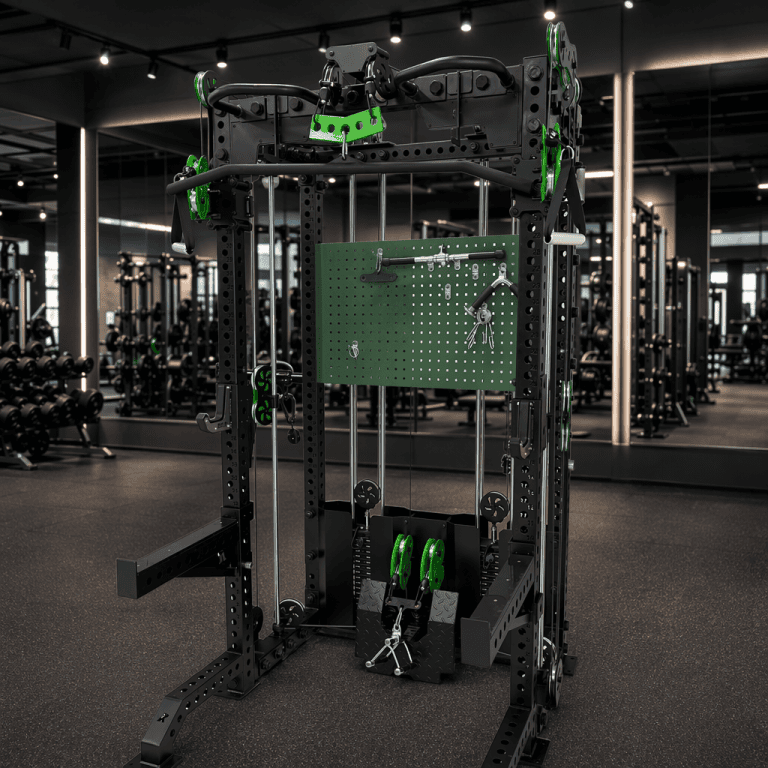
Guaranteed component availability extends ten to fifteen years post-manufacture termination dates. Dedicated regional warehouses stock pre-sized cushion inserts eliminating custom fabrication delays. Technical support hotlines resolve installation queries within four business hours during standard operating days. Bulk purchasers negotiate tiered discount structures for subsequent repair batches to maintain fleet uniformity. Our team ensures seamless integration with modular frames such as the 4‑in‑1 Multi‑Station Steel Mini Loader Gym Machine pin loaded leg exercise equipment for home & commercial gym during bulk fulfillment.
FAQs About Gym Upholstery Materials and Sweat Resistance
How often should commercial gym upholstery be replaced?
Industry benchmarks recommend inspection intervals every six months with full replacement occurring between three and five years depending on usage volume. Facilities experiencing extreme sweating or aggressive cleaning chemically degrade faster and may require annual swapping of high-contact zones. Preventative condition tracking prevents catastrophic failure during active training sessions.
Can upholstery be repaired instead of replaced?
Minor surface tears accept industrial-grade polyurethane adhesives for temporary stabilization until scheduled maintenance windows. Extensive foam compression or widespread discoloration mandates complete pad removal and refabrication. Partial repairs rarely match original tension specs causing uneven wear patterns across adjacent stations. Professional upholsterers specialize in matching factory stitch densities and edge finishing techniques.
What cleaning products are safe for sweat-resistant upholstery?
Neutral pH detergents combined with diluted hydrogen peroxide effectively remove biological contaminants without polymer degradation. Avoid abrasive scouring powders or undiluted bleach solutions that strip protective topcoats and expose underlying foam. Steam cleaning exceeds recommended temperature thresholds and causes adhesive failure between fabric layers. Always consult manufacturer technical data sheets before introducing new chemical agents.
Does upholstery choice affect equipment warranty claims?
Unauthorized material substitutions void structural guarantees covering weld integrity and hinge mechanisms. Original equipment manufacturers require OEM-specification fabrics to maintain liability coverage for accidental injuries. Using non-approved substitutes transfers financial responsibility entirely to the facility operator. ISO 20957 Class X specifications govern long-term endurance testing for these surface treatments.
Final Verdict: Choosing the Right Gym Upholstery for Your Facility
Hotel gyms: prioritize cleanability and appearance
Hospitality venues benefit most from gloss-finished vinyl that maintains pristine aesthetics between guest rotations. Rapid sanitation protocols require surfaces compatible with mild aqueous solutions rather than harsh oxidizers. Consistent color matching reinforces brand identity while reducing visible wear signatures. Streamlined procurement channels guarantee consistent supply for seasonal marketing campaigns.
PT studios: balance comfort and sweat resistance
Coaching-focused layouts thrive on soft-touch textured PU delivering precise tactile feedback during manual adjustments. Embedded antimicrobial properties minimize cross-infection risks during back-to-back private appointments. Removable cover systems enable thorough weekly laundering without disrupting daily operations. Comfort optimization directly correlates with client retention and session satisfaction scores.
Commercial boxes: invest in heavy-duty sweat-proof materials
High-volume training environments demand maximum abrasion tolerance paired with rapid moisture evaporation characteristics. Reinforced PVC laminations survive aggressive kinetic movements and constant fluid exposure without structural compromise. Ventilated backing configurations prevent heat buildup during intense metabolic conditioning blocks. Long-term operational savings overwhelmingly justify initial premium expenditures across bustling facility footprints.