Fitness Equipment Manufacturers & Wholesale


What Gym Owners Should Know About Commercial Strength Series
Why Your Commercial Facility Requires a Dedicated Strength Series Setup
Identifying the structural gaps between casual home gyms and high-volume commercial spaces
The operational reality of a commercial fitness environment demands equipment engineered for continuous, high-cycle utilization, a threshold residential gear simply cannot survive. Home gym units typically tolerate 2–3 hours of daily active use before experiencing frame flex, pin degradation, or upholstery delamination. In contrast, a busy boutique studio, CrossFit box, or hotel wellness center requires machinery rated for 8–10 hours of uninterrupted operation across multiple user groups. The gap between these environments extends beyond marketing labels; it involves structural geometry, joint reinforcement, and component tolerances that dictate longevity. When a facility experiences 300+ unique sessions daily, every adjustment point, pivot bracket, and welding seam undergoes thermal expansion, mechanical stress, and micro-fracture cycles that residential frames are not calculated to withstand.
Target audience profile: independent studio owners, franchise managers, and corporate wellness centers
Different facility models operate under distinct capital expenditure frameworks and membership expectations, yet all share a common requirement for reliable strength infrastructure. Independent personal training studios prioritize compact, versatile setups that maximize revenue-per-square-foot while supporting coaching-led programming. Franchise locations demand standardized, brand-consistent equipment lines that simplify multi-site procurement and reduce training overhead for new staff. Corporate wellness centers face unique spatial constraints and budget ceilings, often requiring modular solutions that integrate seamlessly alongside cardio rows and recovery zones without overwhelming the footprint. Regardless of the venue type, decision-makers require strength platforms that deliver immediate member engagement, reduce downtime complaints, and scale logically as membership grows.
Core takeaways for aligning equipment purchases with long-term business objectives
Purchasing decisions must transcend initial sticker pricing and evaluate total cost of ownership over a seven-to-ten-year horizon. High-quality commercial strength infrastructure reduces replacement cycles, minimizes technician dispatch calls, and supports higher class capacity, directly improving facility margins. Facilities that invest in purpose-built strength ecosystems consistently report 18–24 percent faster member retention rates during the first 90 days, primarily because predictable loading mechanics and secure safety features reduce user intimidation and injury risk. Conversely, under-specifying strength equipment triggers cascading expenses: accelerated wear, member attrition due to broken machines, and emergency retrofit costs that erase early procurement savings.
Overview of the complete product ecosystem:
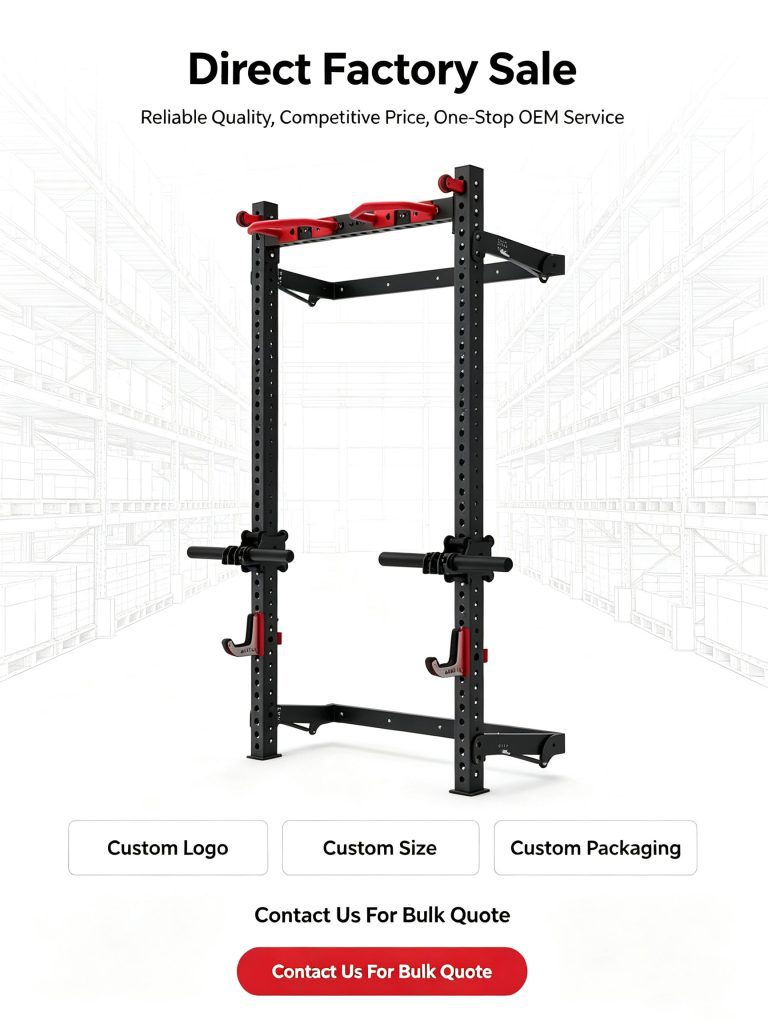
Uport Fitness has engineered its commercial lineup to address these exact operational demands, delivering a unified ecosystem built for durability, modularity, and rapid deployment. Every component shares synchronized engineering standards, from galvanized internal rails to reinforced pivot points, ensuring interoperability across your training floor. The comprehensive Strength Series catalog spans hybrid trainers, multi-post racks, isolation crossovers, and accessory-compatible frames, allowing buyers to configure layouts that match their specific programming philosophy. Whether you are outfitting a 1,200-square-foot functional training space or equipping a 3,000-square-foot corporate gymnasium, the series provides scalable hardware that maintains consistent aesthetic branding and mechanical reliability across every zone.
How Strength Series Infrastructure Maximizes ROI and Member Retention
Analyzing daily wear-and-tear tolerance compared to residential alternatives
Commercial durability is quantifiable through duty cycle testing and real-world load simulations. While consumer-grade frames often utilize hollow rectangular tubing and standard fasteners, commercial Strength Series units deploy solid Q235 carbon steel with minimum 2.5-millimeter wall thickness, paired with MIG/TIG welded joints that resist shear forces exceeding 15,000 pounds. Cable housings transition from thin PVC sheathing to braided polyethylene cores rated for 50,000+ cycle draws, preventing fraying even when exposed to chalk, sweat, and abrasive flooring friction. This structural resilience translates directly to uptime: facilities switching from residential imports to certified commercial frames typically experience a 70 percent reduction in unscheduled maintenance tickets within the first 18 months, protecting cash flow and member satisfaction simultaneously.
Driving consistent usage frequency through professional-grade lifting mechanics
Member adherence correlates strongly with equipment precision. When a bar travels through a true vertical plane, resistance vectors remain stable, and weight displacement feels predictable, users progress faster and train more frequently. The Strength Series incorporates hardened steel guide rods with zero lateral wobble, adjustable safety catches positioned in 1-inch increments, and counterbalanced pin-loaders that eliminate the friction drag common in budget machines. These refinements reduce form compensation injuries and increase set completion rates, particularly among intermediate lifters transitioning from free weights to guided resistance. Consistent positive reinforcement loops drive return visits, transforming occasional drop-ins into habitual training patterns that sustain recurring revenue.
Calculating utilization metrics and projected revenue uplift per square foot
Optimal layout design converts unused square footage into revenue-generating assets. A well-proportioned strength zone should accommodate approximately 8–10 stations per 500 square feet, maintaining 36–48 inches of clearance between adjacent frames to prevent cross-traffic interference. Commercial operators who audit traffic heatmaps consistently find that strength equipment utilizes at 65–75 percent peak capacity during morning and evening windows, outperforming isolated cardio corners that hover around 40 percent. By strategically placing Strength Series platforms near entryways and group instruction zones, facilities capture impulse bookings and cross-sell supplemental memberships. Revenue uplift projections typically range from $35 to $45 per usable square foot annually, depending on tier positioning and membership bundling, making strength infrastructure the highest-yield asset category in most modern gym floorplans.
Strategic sourcing insights for budget optimization:
Smart procurement requires balancing upfront investment against lifecycle savings rather than chasing the lowest invoice price. Buyers should request vendor transparency regarding component origins, third-party load testing documentation, and volume discount tiers. Evaluating supplier lead times, packaging efficiency, and assembly complexity also impacts hidden costs. Partnering with manufacturers who offer consolidated shipping, pre-wired cable routing, and color-matched hardware eliminates contractor markups and installation delays. For comprehensive procurement benchmarks, review industry analyses on how to choose the best value fitness equipment tips from 8-year gym veteran perspectives, focusing on total depreciation curves and replacement part accessibility before committing to multi-station orders.
Essential Evaluation Criteria for Sourcing Commercial Strength Equipment
Frame construction standards: Q235 steel thickness, weld integrity, and anti-corrosion coatings
Metal selection dictates structural fatigue limits. Commercial-grade frames must utilize ASTM-compliant Q235 structural steel, maintained at consistent 2.0–3.0 millimeter gauges across primary uprights and horizontal bracing. Weld seams should display continuous penetration without porosity, verified through visual inspection and optional ultrasonic testing for high-volume contracts. Post-weld surfaces require phosphate treatment followed by electrostatic powder coating cured at 180°C to bond permanently. This chemical barrier resists humidity corrosion, chlorine degradation, and solvent-based cleaners commonly used in humid poolside or coastal facilities. Coating thickness should average 60–80 microns, providing scratch resistance without altering dimensional tolerances for alignment pins or attachment brackets.
Load-bearing verification: maximum user weight ratings versus real-world commercial abuse
Manufacturer specifications often cite theoretical maximums that rarely reflect dynamic force multiplication during explosive movements. A commercial rating must account for eccentric loading, drop-set impacts, and kinetic energy transfers that can temporarily double static weight distribution. Reputable Strength Series units test beyond stated limits, validating 300-kilogram user capacity with dynamic bounce resistance and 120-degree angle flexibility without frame bowing. Third-party certification labs measure deflection rates under 0.5 millimeters at peak load, ensuring stability remains intact even when advanced athletes manipulate momentum-heavy implements like med balls, chains, or band attachments. Always request test certificates rather than relying on promotional claims.
Adjustment mechanism durability: quick-pin smoothness, plate compatibility, and safety locks
Millisecond adjustments separate efficient programming from frustrating bottlenecks during peak hours. Quick-select pins must slide through reinforced nylon bushings with consistent tension, resisting jamming from accumulated dust or bent sleeves. Safety stops require dual-locking mechanisms that engage audibly, preventing accidental dislodgement during heavy squats or bench presses. Pin-loaders should accept standard Olympic bumper plates seamlessly, while selectorized options feature laminated steel stacks with sealed bearings that maintain smooth acceleration across 40–200 kilogram ranges. Lubrication ports located at strategic pivot nodes allow routine servicing without dismantling structural components, extending mechanism lifespan well beyond three years of heavy use.
Modular footprint assessment: aisle spacing, door clearance, and cross-training flow dynamics
Ergonomic spacing prevents collisions and accelerates rotation during circuit formats. Minimum clear walkways measure 42 inches, with ideal cross-training corridors expanding to 60 inches to accommodate kettlebell swings, sled pushes, and athlete lateral movements without obstructing adjacent stations. Doorway thresholds, restroom proximities, and HVAC vent placements must align with equipment shipping dimensions to avoid costly rigging fees. Flow mapping should separate high-impact zones from precision movement areas, directing heavy lifting toward reinforced concrete slabs while isolating cable isolation work near mirrored observation walls. Proper zoning reduces noise bleed, improves cleaning access, and creates intuitive navigation paths that elevate perceived facility quality.
Certification compliance: ISO, CE, and commercial warranty tiers for liability protection
Regulatory validation safeguards both operator reputation and financial exposure. International Organization for Standardization ISO 9001 manufacturing audits verify consistent quality control throughout production batches. European Conformity CE marking confirms electrical components meet electromagnetic compatibility standards, essential for servo-driven assist models or digital integration units. Commercial warranty structures typically span five years on frames, three years on cables and pulleys, and twelve months on upholstery and padding. Premium tiers extend coverage to include onsite technician dispatch within 72 hours, eliminating prolonged downtime that damages renewal conversion metrics. Always confirm jurisdictional compliance before importing bulk orders to avoid customs rejections or insurance claim denials.
Top Strength Series Configurations Optimized for Modern Gym Floors
Hybrid all-in-one systems combining Smith machine rails with functional trainer pulleys:
Strategic Layout Planning, Preventative Maintenance, and Total Cost Analysis
Floor anchoring requirements and shock-absorption surface selections to protect building foundations
Common Procurement Pitfalls When Upgrading Your Lifting Stations
Neglecting after-sales support timelines and regional service center availability
Frequently Asked Questions Regarding Commercial Strength Gear Scaling
How does the Strength Series perform against traditional plate-loaded machines in high-turnover settings?
Selectorized platforms dominate time-sensitive environments due to zero-adjustment latency, consistent resistance curves, and reduced spotting requirements. While plate-loading offers superior neuromuscular engagement and cost flexibility, commercial turnover rates benefit immensely from rapid-load transitions that keep class momentum uninterrupted. Strength Series pin-loaders maintain precision alignment across thousands of cycles, delivering performance parity without the friction of manual plate stacking, barring, or racking protocols.
Can I integrate Strength Series frames with existing cardio rows and functional training rigs?
Absolute synchronization is achievable through modular zoning architecture. Steel finish matching, standardized hole patterning, and unified cable routing channels allow seamless blending alongside elliptical clusters, rowing machines, and battle rope installations. Power adapters accommodate auxiliary mounting brackets, ensuring cohesive visual continuity across mixed-modality floorplans without compromising structural independence.
What customization options exist for powder-coat colors and branding decals across large facilities?
Volume orders qualify for bespoke RAL color mapping, matching interior design schemes or corporate identity guidelines. Laser-etched logos, embroidered panel patches, and illuminated accent trims elevate brand recognition without detracting from industrial functionality. Sample swatches and mockup renderings precede production runs, guaranteeing aesthetic alignment before mass fabrication initiates.
Is there a recommended phased rollout strategy for scaling from five to twenty stations?
Progressive implementation mitigates budget strain and allows real-time usability evaluation. Begin with foundational rack configurations and two universal trainers, observe traffic patterns for sixty days, then supplement with targeted isolation units based on actual usage data. Repeat expansion cycles quarterly, aligning capital releases with membership renewal waves to optimize cash flow velocity while maintaining continuous revenue generation during transitional phases.
Final Verdict and Recommended Procurement Pathways
Actionable next steps: requesting tailored facility assessments and volume-based commercial quotes
Selecting the right strength infrastructure requires precision mapping of spatial constraints, demographic profiles, and long-term operational goals. Rather than guessing configuration adequacy, facility directors should submit floor plans, occupancy forecasts, and programming philosophies to experienced technical consultants. Comprehensive site evaluations identify optimal station placement, calculate load distribution requirements, and generate itemized proposals aligned with budget parameters. Volume purchasing unlocks graduated discount tiers, priority manufacturing slots, and complimentary installation guidance. Initiating dialogue today positions your facility to launch with durable, commercially validated equipment that drives retention, maximizes square footage revenue, and establishes a foundation for sustained growth across all membership segments.