Fitness Equipment Manufacturers & Wholesale


Sourcing Hexagonal Rubber-Coated Dumbbells in Bulk: Owner Guide
Why Bulk Hexagonal Rubber-Coated Dumbbells Are the Backbone of Any Commercial Gym
Who this guide is for: gym owners, facility managers, and bulk equipment buyers
This guide is written for decision-makers who purchase strength equipment at scale: independent gym owners, multi-site facility managers, procurement officers for hotel chains, fitness directors at universities, and equipment distributors serving commercial and home markets. If your facility runs 200–5,000 members, operates a functional training zone, or supplies gyms across a region, the choices you make around dumbbell specification directly affect member retention, maintenance budgets, and liability exposure.
Bulk buying changes the math. A single pair of 20 kg hex dumbbells is a simple purchase; outfitting a 500 m² gym with 40–50 pairs across 2.5–50 kg ranges, plus racks, is a capital project. This guide treats hexagonal rubber-coated dumbbells bulk sourcing as what it is: an operational investment with a five-year cost curve, not a one-off transaction.
The operational questions this guide answers: durability, floor protection, member safety, and cost per use
Every sourcing decision in this guide maps back to four questions. First, durability: will the rubber coating survive 300+ drops per day per pair without cracking or delaminating from the iron core? Second, floor protection: does the hex geometry and rubber durometer absorb impact well enough to protect rubber flooring, concrete slabs, and adjacent equipment? Third, member safety: are the handles secure, the knurling consistent, and the weights accurately labeled? Fourth, cost per use: what is the true cost per member-month when you factor in replacement cycles, labor, and freight?
Answering these questions requires specifications, not marketing language. That means rubber thickness in millimeters, handle tensile strength in MPa, weight tolerance in grams, and warranty terms in years. This guide provides those parameters and shows how they translate into real facility scenarios.
Why hex-shaped rubber-coated dumbbells outperform round or metal alternatives in high-traffic gyms
Hexagonal heads are not a cosmetic choice. A flat-sided head cannot roll when set down between sets, which reduces trip hazards on training floors and keeps racks and walkways clear. In a busy commercial box where members cycle through circuits, this single design feature prevents dozens of minor incidents per week. Round dumbbells, by contrast, roll under racks, against walls, and into walkways, creating both safety and tidiness problems that staff must manage constantly.
Rubber coating outperforms bare metal and chrome in commercial settings for three reasons. It dampens noise—critical in hotel fitness centers where dumbbell drops above guest rooms generate complaints. It protects floors: a 30 kg rubber-coated dumbbell dropped from waist height transfers far less point load to rubber tiles than a bare steel head. And it improves grip security during re-racking, since rubber creates friction against rack cradles rather than sliding like polished metal.
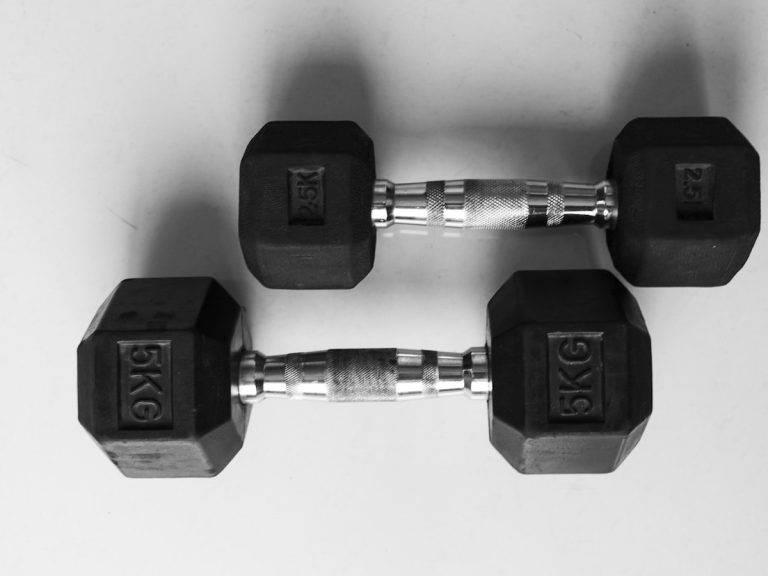
For facilities that need both durability and a professional aesthetic, a commercial hex dumbbell line such as Hexagonal rubber-coated dumbbells delivers the geometry, coating, and handle standards that high-traffic floors demand. Facilities that also want to protect their slab should pair them with a suitable Gym Protective Flooring Rubber Floor Mats Rolls under the free-weight zone.
How this guide helps you make a confident bulk purchase decision for your facility
The sections that follow cover failure modes of cheap imports, a technical breakdown of commercial-grade versus budget hex dumbbells, a space and installation checklist, a maintenance and five-year cost model, and a safety and compliance framework. Each section is designed to be used directly in your purchasing process—as a spec sheet, a supplier questionnaire, or a negotiation reference. By the end, you will have the parameters needed to compare quotes on equal terms and to justify the specification to ownership or finance teams.
Real Problems Gyms Face with Cheap or Wrong-Spec Hex Dumbbells
Downtime and replacement cycles: when low-cost hex dumbbells fail within months
Technical Deep Dive: What Separates Commercial-Grade Hex Rubber Dumbbells from Budget Options
Hex head geometry and rubber coating: thickness, bonding, and odor control
Installation and Space Checklist for Bulk Hex Dumbbell Setups
Floor load and impact absorption: choosing the right gym flooring for hex dumbbells
Maintenance Schedule and 5-Year Cost Estimate for Hexagonal Rubber-Coated Dumbbells
Daily and weekly tasks: inspection, cleaning, and rack tidiness
Safety, Compliance, and Red Flags When Buying Hex Dumbbells in Bulk
Inspection checklist: handle security, rubber integrity, and weight accuracy
FAQs: Bulk Sourcing Hexagonal Rubber-Coated Dumbbells
How many hex dumbbells do I need for a commercial gym of 200–500 members?
For a 200-member facility with a general fitness focus, plan 15–25 pairs across 2.5–30 kg, with two pairs of the most-used weights (10, 15, 20 kg) to reduce wait times. For 500 members with a significant free-weight and functional training program, plan 35–50 pairs across 2.5–50 kg, plus at least two pairs each of 12.5, 15, 17.5, 20, and 25 kg. Facilities offering group strength classes should add 20–30% capacity in the 5–20 kg range.
Track usage data after opening: if members wait for specific weights at peak hours, add pairs in those increments. It is cheaper to add pairs later than to overbuy low-use increments at launch, but always keep 2.5–25 kg fully stocked—this is where 80% of usage occurs.
What is the typical lead time for bulk hex dumbbell orders from overseas suppliers?
Typical lead times run 25–45 days for production plus 20–40 days for ocean freight, depending on destination port and shipping schedule. Larger orders and custom specifications extend production time; peak season (Q3–Q4) can add 1–2 weeks. In-stock programs can ship within 7–15 days, which is valuable for facilities with fixed opening dates.
Plan backward from your opening or installation date with at least a 2-week buffer. The guide on How to Evaluate Lead Times and Inventory Reliability When Sourcing Commercial Strength Equipment Overseas covers how to verify supplier reliability and avoid schedule slips.
Are hexagonal rubber-coated dumbbells suitable for hotel fitness centers and CrossFit boxes?
Yes—with specification adjustments for each environment. Hotel gyms typically use dumbbells up to 25–30 kg with low-odor rubber, paired with 8–10 mm flooring to control noise and protect slabs; the guidance in How to Choose Rubber Hex Dumbbells for Hotel Fitness Centers covers the hotel-specific requirements. CrossFit boxes need dumbbells up to 50 kg with robust coating and handles, plus heavy-duty flooring rated for frequent drops and dedicated drop zones.
Both environments benefit from hex geometry: hotels because it prevents rolling and noise, CrossFit boxes because it keeps the floor organized during fast-paced workouts. PT studios, meanwhile, often prefer a tighter range (2.5–25 kg) with a two-tier rack for easy client access.
How do I verify weight tolerance and rubber quality before committing to a large order?
Request a pre-production or pre-shipment sample of 4–8 dumbbells spanning light, mid, and heavy weights. Weigh each on a calibrated scale and record actual versus labeled weight; commercial-grade suppliers should hold within ±1%. Inspect rubber thickness at the hex edges, test odor after 24 hours in a closed space, and check handle security by twisting and pulling firmly.
Then confirm the production batch will match the sample: ask for batch-level test records and, for large orders, arrange third-party pre-shipment inspection. Build these requirements into the purchase contract so acceptance is conditional on passing inspection. This approach gives you evidence-based confidence before the full shipment leaves the factory.
Frequently Asked Questions and Common Mistakes When Buying Hex Dumbbells in Bulk
How do I calculate the right number of dumbbells for my floor plan?
The most common mistake bulk buyers make is ordering by pairs when they should be ordering by rack capacity and member throughput. A commercial facility needs roughly one pair of dumbbells per 8–12 active members in the strength zone during peak hours, but that figure only holds if the weight distribution matches your membership profile. Most gyms over-index on light and mid-range weights (5–25 kg) and under-order heavy dumbbells (30 kg and above), which creates wait times and forces members to substitute. Before you order, pull three months of check-in data, identify your peak two-hour window, and count how many members actually train in the free-weight area during that window. Then allocate approximately 40% of your total pairs to the 5–20 kg range, 35% to 20–35 kg, and 25% to 35 kg and above. If you run group strength classes, add a separate reserve of matched pairs for instructor-led circuits, because class use accelerates wear and creates scheduling conflicts with open-floor members.
What is the real cost difference between rubber-coated hex dumbbells and cheaper alternatives?
Upfront price is the worst metric for bulk purchasing decisions. Chrome or bare-steel dumbbells typically cost 20–30% less per kilogram than rubber-coated hex dumbbells, but they fail the total-cost-of-ownership test in almost every commercial setting. Rubber coating protects your flooring, reduces noise complaints from neighboring tenants, prevents chipping that creates sharp edges, and resists the corrosion that ruins steel in humid environments or near pools and showers. Factor in replacement cycles: a quality rubber-coated hex dumbbell in a commercial gym can last 8–12 years, while cheap alternatives often need replacing within 3–5 years. When you divide total cost by service life and add flooring repair, liability exposure from damaged equipment, and member complaints, rubber-coated hex dumbbells almost always win. Buyers who chase the lowest unit price end up repurchasing sooner, which means paying twice for the same rack space.
How should I evaluate coating quality and handle construction before committing to a bulk order?
Not all rubber coating is equal, and the difference shows up six months into service, not on the spec sheet. Look for coating that is vulcanized or chemically bonded to the steel head rather than simply slipped over it, because loose coatings rotate, trap moisture, and delaminate under repeated drops. Ask suppliers for the coating’s durometer rating and rebound characteristics; a harder coating resists abrasion but cracks, while a softer coating absorbs impact but wears faster. Handle construction matters just as much. Knurled handles should be deep enough to grip during sweaty sessions but not so aggressive that they tear calluses and generate complaints. Contoured handles with a slight center taper reduce forearm strain during high-rep work. For bulk orders, always request a sample pair, put it through a 30-day test with your heaviest users, and inspect for coating separation at the head-handle junction, which is where failures begin.
What shipping, storage, and warranty pitfalls catch bulk buyers off guard?
Freight weight is the silent budget killer. A full commercial set of hex dumbbells from 2.5 kg to 50 kg can weigh several tonnes, and shipping costs vary dramatically by pallet configuration, delivery access, and whether liftgate service is included. Confirm whether your quote covers curbside delivery or inside placement, because moving two tonnes of dumbbells by hand is a labor cost most buyers forget to budget. Storage is the second trap. Dumbbells stored on the floor instead of racks create tripping hazards, damage coatings, and consume floor space you could use for training. Budget for racks at the same time you budget for dumbbells, and verify that rack saddle spacing matches your handle diameter. Finally, read the warranty carefully. Many warranties exclude cosmetic damage, commercial use, or damage from being dropped on non-rubber surfaces, which describes normal gym conditions. A warranty that sounds generous on the marketing page may cover almost nothing in practice.
Which ordering and specification mistakes should I avoid at all costs?
Mixing brands within a single rack is the most damaging long-term error, because handle diameters, lengths, and head shapes differ enough to make matched pairs feel inconsistent and confuse members. Order your full range from one supplier in one production run whenever possible, and confirm that replacement singles will match your existing stock. Avoid ordering only even increments if your programming includes micro-loading; 1 kg and 1.5 kg increments matter for progressive overload in rehab and beginner programs. Do not skip the sample evaluation, do not accept verbal assurances about coating composition, and do not finalize quantities without measuring your actual rack capacity. A rack that holds 10 pairs cannot absorb a 15-pair order without creating a floor hazard. Finally, verify the supplier’s ability to restock identical units two or three years from now, because a discontinued line turns your matched set into mismatched inventory.
Final Verdict: Choosing Uport Fitness Hexagonal Rubber-Coated Dumbbells for Your Facility
Why Uport Fitness hex dumbbells deliver the best balance of durability, safety, and value for bulk buyers
Uport Fitness builds its hexagonal rubber-coated line for the realities of commercial use: consistent hex geometry for stable racking, specification-grade rubber coating for floor protection and low odor, balanced iron cores with tight weight tolerance, and handles designed for secure grip across the full weight range. For bulk buyers, the practical result is a lower five-year cost of ownership through fewer replacements, less flooring damage, and fewer member-facing incidents.
The line works across facility types—commercial gyms, hotel fitness centers, PT studios, university recreation centers, and CrossFit boxes—and pairs cleanly with Uport’s flooring and rack options for a complete free-weight zone. If you are evaluating quotes from multiple suppliers, compare them against the specifications in this guide; the differences will quickly separate true commercial-grade products from budget imports.
Next step: request a bulk quote and sample kit from Uport Fitness
Start by defining your weight range, quantity per increment, and target installation date. Uport Fitness can provide a bulk quote with landed cost estimates, lead times, and warranty terms, plus a sample kit so your team can verify rubber quality, handle feel, and weight accuracy before committing to a full order. For facilities with fixed opening dates, ask about in-stock programs to shorten delivery time.
Bring your layout and member profile to the conversation—training type, peak hours, and drop frequency all influence the right specification. A 10-minute conversation about your facility is usually enough to narrow the specification to two or three options and to flag any flooring or rack requirements you may have missed.
Explore related Uport Fitness products for a complete commercial gym setup
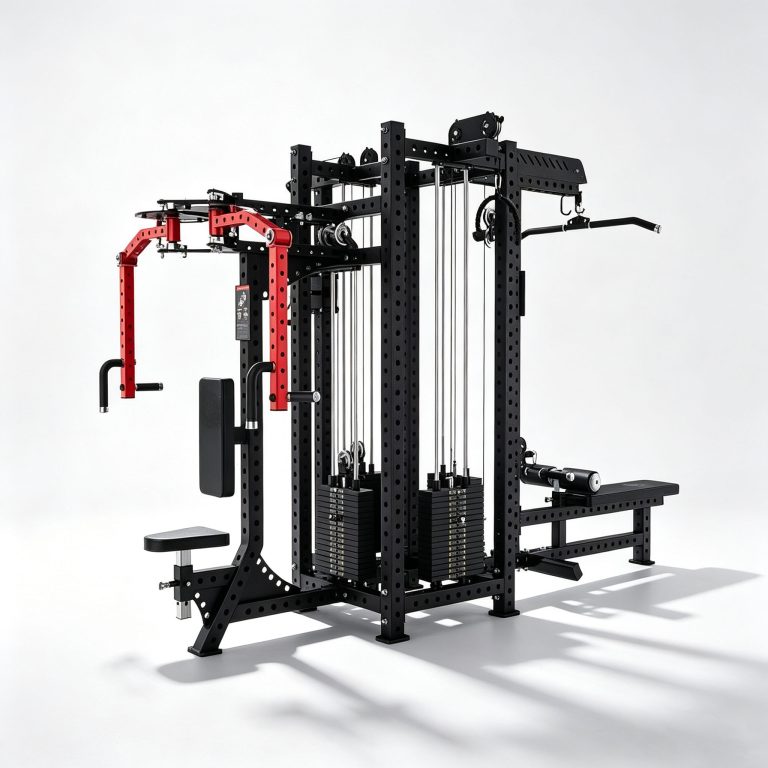
Hex dumbbells are one component of a complete strength zone. Facilities building out a full floor often pair them with adjustable dumbbells for space-efficient stations, multi-functional equipment for circuit training, and rubber flooring for the entire free-weight and functional areas. Explore Insert dumbbells for flexible loading options, AIl-in-1 multi-functional stations for compact commercial setups, and Eco-Friendly Gym Flooring Tile Protective Rubber Mat for Fitness Eco Friendly for sustainable flooring across the facility.
For bulk buyers sourcing multiple product categories, consolidating with one supplier reduces freight complexity, simplifies quality control, and often improves pricing. Uport Fitness supports mixed-container orders and can advise on the optimal product mix for your facility type and budget.