Fitness Equipment Manufacturers & Wholesale


Why Olympic Lifting Platforms & Bumper Plates Suit Collegiate Gyms
Why Olympic Lifting Platforms and Bumper Plates Redefine Collegiate Strength Programs
The Procurement Dilemma: Tier-1 Cast Iron versus Competition-Grade Rubber Setups
Purchasing directors at collegiate athletic departments frequently face a critical procurement dilemma when outfitting modern strength rooms: traditional cast iron configurations versus comprehensive rubber-based training ecosystems. Cast iron offers initial cost savings, typically ranging from $2.50 to $4.00 per pound, but introduces severe infrastructure risks. Dropping 45-pound cast plates generates localized impact forces exceeding 4,000 PSI, leading to rapid concrete spalling, elevated decibel levels, and frequent equipment damage. In contrast, competition-grade rubber setups utilize calibrated urethane or nitrile compositions that absorb kinetic energy on impact, reducing floor stress by up to 85 percent while extending barbell sleeve integrity.
The operational reality of collegiate training demands durability that mirrors actual sport-specific loads. Football linemen, Olympic weightlifters, and powerlifting competitors routinely drop loads from rack height or overhead positions, making standard cast iron unsuitable for high-volume daily programming. Rubberized solutions accommodate dynamic eccentric loading without transmitting shockwaves through subfloor joists, protecting underlying building structures. Furthermore, standardized rubber diameters eliminate compatibility gaps between barbell collars and plates, streamlining workout turnover and reducing downtime during peak scheduling windows. When athletic facilities prioritize athlete safety and long-term asset retention, the procurement decision inevitably shifts toward engineered rubber systems over legacy cast alternatives.
What This Buyer’s Guide Compares: Platform Core Materials, Plate Centricity, and Vendor Certifications
This guide establishes a rigorous evaluation framework centered on three non-negotiable pillars: platform core construction, plate concentric manufacturing tolerances, and vendor accreditation standards. At the foundation lies the core substrate, where commercial facilities consistently specify ¾-inch Baltic birch plywood laminated with alternating grain layers to prevent warping under sustained compressive stress. Over this structural base rests the impact-absorbing medium, typically 1½-inch to 2-inch thick EPDM rubber rated for continuous heavy dropping. We compare hardness metrics across Shore A scales, ensuring suppliers provide certified durometer testing rather than generic marketing claims.
Plate centricity represents another critical comparison metric. Competition-calibrated bumpers must maintain strict concentric tolerances, usually ±2.5 millimeters for both outer diameter and bore alignment. Misaligned plates cause uneven rotational drag on barbell sleeves, accelerating bearing wear and introducing dangerous lift imbalances. We evaluate supplier quality assurance protocols, including ISO 9001 compliance, third-party laboratory validation, and batch-to-batch consistency reports. Additionally, we scrutinize vendor certifications such as UL listing for fire resistance and NSF verification for chemical off-gassing compliance, ensuring all materials meet stringent institutional risk management requirements before bulk order placement.
Aligning Platform Specifications with Athletic Department Performance Goals and Space Constraints
Every collegiate strength facility operates within distinct spatial and performance parameters that dictate optimal olympic lifting platforms configuration. High-performance programs require minimum 8-foot-by-4-foot zones per station to accommodate full-range deadlifts, cleans, and snatch extensions without spatial restriction. Conversely, satellite conditioning labs or recreational wellness centers often mandate compact two-meter bays that maximize utility per square foot. We map dimensional requirements against ceiling height clearance, HVAC airflow patterns, and emergency egress routing to ensure compliance with local building codes.
Performance goals further refine material selection thresholds. Powerlifting-focused divisions demand static load ratings exceeding 2,500 pounds per lane to safely absorb isometric strain during maximum effort attempts. Speed-strength programs prioritize elastic return properties in the rubber matrix, optimizing plyometric and explosive movement sequencing. By cross-referencing coaching philosophies with architectural blueprints, procurement teams can specify platform dimensions, color-coded lane markings, and integrated rig mounting points that perfectly align with daily periodization models while respecting real estate limitations.
Rising Demand for Safety-Certified Strength Zones in University Facilities
How NCAA Division Shifts and Conference Compliance Standards Are Reshaping Weight Room Investments
NCAA governance bodies and divisional conferences have increasingly mandated enhanced safety benchmarks for competitive training environments, directly influencing capital expenditure allocation. Division I institutions now face explicit guidelines requiring impact-absorbing surfaces wherever loads exceed 135 pounds are routinely dropped. Division II and III programs, responding to Title IX equity mandates and improved scholarship structures, are upgrading legacy training spaces to meet parity standards across gender and sport divisions. Conference-level compliance audits routinely examine weight room ergonomics, spotter workflow clearance, and equipment certification documentation, forcing athletic directors to replace outdated infrastructure with standardized safety architectures.
These regulatory shifts have triggered a measurable increase in dedicated strength and conditioning budget lines. Many universities now ring-fence 15 to 20 percent of total athletics capital improvement funds specifically for injury-prevention infrastructure. The financial pivot reflects a broader recognition that modern collegiate athletes generate substantially higher force outputs compared to previous generations. Consequently, facilities that fail to implement certified safety zones risk audit discrepancies, liability exposure, and competitive disadvantage during recruiting cycles. Institutional leadership now views rubberized dropping areas not as optional amenities, but as mandatory components of compliant athletic programming.
Supply Chain Realities for Heavy-Duty EPDM Rubber, Steel Riser Blocks, and Lathe-Finished Sleeves
Procurement teams must navigate persistent global supply chain volatility when sourcing heavy-duty EPDM rubber formulations, structural steel risers, and lathe-finished barbell sleeves. Raw elastomer pricing fluctuates with crude oil derivatives, causing quarterly variations in finished product margins. Leading manufacturers mitigate this through forward-contract agreements and regional warehouse stockpiling, yet delivery timelines frequently extend by four to six weeks during peak academic fiscal quarters. Buyers should monitor inventory availability cycles and request production lead time confirmations before committing to multi-year rollout schedules.
Steel component sourcing presents equally complex logistics. Structural support blocks require hot-rolled ASTM A36 steel with precise CNC milling tolerances to ensure platform stability under lateral shear forces. Lathe-finished barbell sleeve knurling depth and chrome plating thickness directly influence friction coefficient and corrosion resistance, particularly in humid indoor climates. Vendors who integrate vertically sourced materials demonstrate superior consistency, but buyers must verify mill test reports and request physical samples to validate surface finish quality. Establishing direct communication channels with factory production managers helps circumvent distributor delays and secures priority allocation during high-demand purchasing windows.
Timing Your Purchase Around Academic Fiscal Calendars and State Bond Allocation Windows
Strategic timing significantly impacts procurement efficiency and funding utilization rates. Most public university districts operate on July-to-June fiscal cycles, meaning capital approvals, RFP publications, and contract executions typically align between September and January. Coordinating equipment deployment with summer maintenance windows minimizes operational disruption and allows installation crews to complete concrete anchoring, electrical conduit runs, and environmental curing before fall semester orientation. Purchasing officers who synchronize deliveries with academic recess periods experience reduced overtime costs and streamlined contractor scheduling.
State-level bond allocations and athletic fundraising campaigns offer additional financing leverage. Many state appropriations distribute renovation grants during spring legislative sessions, with disbursement deadlines falling in late summer. Aligning vendor proposals with these macroeconomic triggers enables institutions to bundle infrastructure upgrades, secure matching donation credits, and phase implementation across multiple years without compromising program continuity. Early engagement with financial aid administrators and facility management teams ensures purchase orders match approved budget line items, preventing mid-cycle funding shortfalls that commonly derail large-scale strength room renovations.
What to Look for When Evaluating Commercial Olympic Lifting Platforms
Layer Density and Shock Absorption Ratings: Measuring Impact Distribution Across Multi-Use Floors
Matching Platform Configurations to Distinct Collegiate Facility Types
Primary Strength Centers: Full-Width Platforms with Centralized Rig Integration and Lane Markings
Calculating True ROI: Upfront Costs Versus Five-Year Operating Expenses
Initial Capital Outlay for Platform and Bumper Plate Bundles: Breaking Down Per-Square-Foot Pricing
Verifying Vendor Reliability Before Placing Bulk Strength Room Orders
Freight Tracking and White-Glove Delivery Protocols: Ensuring Damage-Free Arrival Across Long Hauls
Frequently Asked Questions from Collegiate Equipment Buyers
Can Standard Competition Bumper Plates Be Used Safely on Unsealed Concrete Subfloors?
Strategic Infrastructure Investment: Lifecycle Value and Training Synergy
Calculating True Total Cost of Ownership Beyond Initial Purchase
Initial acquisition prices represent merely an entry point into a comprehensive institutional facility budget cycle. When athletic directors evaluate platform and plate systems, the financial equation must account for a fifteen-to-twenty-year lifecycle rather than a simple vendor upfront invoice. Cast iron configurations inevitably require periodic subfloor rehabilitation, epoxy resurfacing, and concrete patching due to microfractures that propagate beneath high-impact zones. Rubber-based Olympic platforms function as engineered shock-absorption matrices that distribute dynamic loads across a broader structural footprint. This distribution significantly reduces stress concentration points, extending the functional lifespan of the underlying slab while eliminating recurring repair expenditures. Liability insurance premiums often correlate with documented injury rates and facility conditions; standardized rubber ecosystems lower slip hazards and mitigate concussion risks from accidental plate drops, translating into measurable annual savings on institutional risk management policies.
Maintenance protocols further differentiate long-term value. Steel racks and cast iron collars require regular lubrication, corrosion prevention, and sleeve calibration. Competition-grade rubber setups paired with urethane-coated bumper plates operate with minimal friction degradation and exhibit inherent resistance to moisture, UV exposure, and specialized industrial cleaning chemicals common in collegiate weight rooms. Replacement cycles shift from incremental hardware swaps to comprehensive ecosystem upgrades, allowing purchasing departments to plan capital improvements through multi-year funding structures rather than emergency discretionary spending. This predictability streamlines grant applications and facilitates integration with institutional sustainability initiatives, particularly when manufacturers incorporate recycled materials into platform construction.
Optimizing Neuromuscular Development Through Standardized Equipment Ecosystems
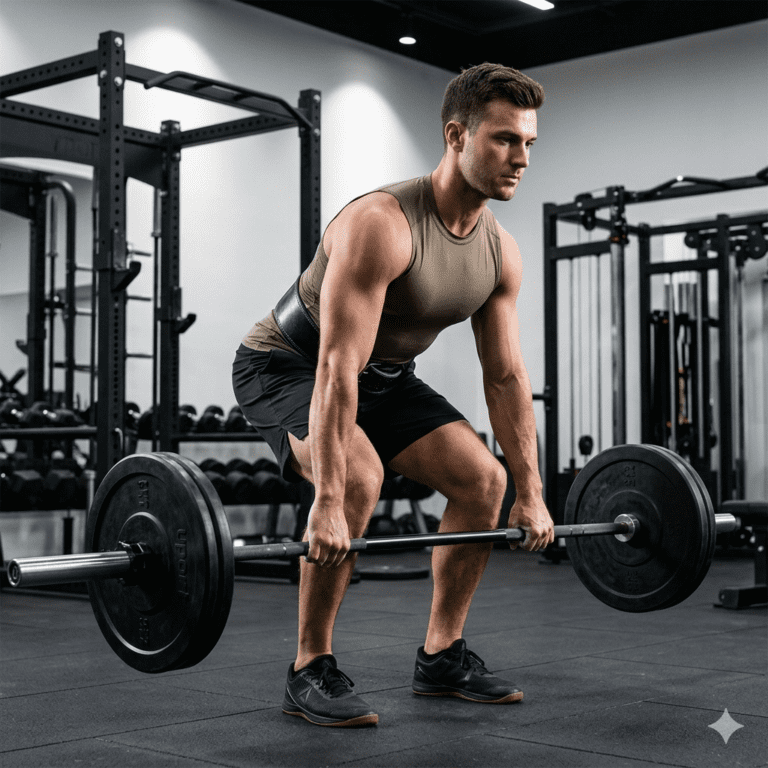
Equipment selection directly influences athlete biomechanics during high-velocity Olympic movements. Urethane bumper plates maintain precise tolerances and consistent mass distribution regardless of temperature, keeping barbell acceleration predictable. When lifters repeatedly execute clean pulls, snatches, or jerks on properly calibrated surfaces, proprioceptive feedback loops stabilize without disruption from uneven bounce characteristics or unpredictable rebound trajectories. This consistency accelerates skill retention curves and reduces compensatory movement strategies that often lead to lumbar strain or shoulder impingement. Systematic standardization fosters longitudinal tracking. Collegiate programs prioritizing homogenous training ecosystems experience fewer technical regressions during transitions between preparatory phases and high-stakes competitive peaking windows.
Platform acoustics, plate elasticity, and kinetic synchronization also support psychological readiness and coaching efficiency. Furthermore, synchronized protocols streamline clinical observations. Controlled acoustic environments preserve verbal cue transmission during complex technique drills, allowing position coaches to monitor bar path deviations without competing against repetitive metallic impacts. Standardized hierarchies simplify inventory tracking for academic staff evaluating programs, creating uniform strength assessment benchmarks. Treating lifting infrastructure as an integrated pedagogical tool enables sport science departments to align procurement with evidence-based periodization and performance-oriented developmental frameworks.
Final Verdict: Choosing the Right Olympic Lifting Setup for Your Campus
[Recommend Function]: Provide definitive purchasing recommendations segmented by institutional budget tiers, program size, and sport-specific demands to guide procurement officers toward optimal platform configurations.
Procurement strategies must align precisely with institutional capacity and competitive aspirations. Large Division I powerlifting and Olympic weightlifting programs require reinforced ⅝-inch to ¾-inch hardwood cores bonded to 2-inch high-density EPDM, paired with full-width lane dividers, centralized rig mounting channels, and 2,500+ pound calibrated bumper sets meeting international federation standards. Medium-tier institutions should prioritize modular 1.5-inch rubber configurations with bolted steel frames, accommodating 60 to 80 percent of required load mass while preserving expansion flexibility for emerging sports initiatives. Smaller recreational or community-college facilities benefit from interlocking tile systems with integrated anti-slip textures, delivering adequate impact attenuation without overwhelming spatial or financial resources. Every tier demands independent durometer verification, third-party impact distribution testing, and transparent warranty registries to safeguard athletic investments against premature degradation.
Next Steps: Requesting Custom Platform Quotations and Sample Material Swatches from Approved Manufacturers
Initiating the qualification process requires direct engagement with verified production partners capable of delivering engineered solutions tailored to campus-specific parameters. Submit formal requests for proposal documents outlining dimensional requirements, anticipated daily load volumes, environmental conditions, and projected deployment timelines. Manufacturers should respond with customized layout renderings, material specification sheets, and preliminary pricing brackets scoped to your square footage and accessory integrations. Request physical swatches of competing rubber compounds, urethane plate finishes, and wood core cross-sections to validate texture, odor profile, and structural density before executing binding agreements. Schedule virtual site consultations with senior facility engineers to review substrate assessments, fastener placement maps, and installation sequencing protocols. Secure trial batches for pilot zone testing, documenting athlete feedback, maintenance frequency adjustments, and performance metrics over a 60-day evaluation window. Upon validation, consolidate successful vendor partnerships into master supply agreements, locking in volume discount tiers, priority production scheduling, and extended warranty provisions that protect your athletic department’s long-term competitiveness and operational resilience.