Fitness Equipment Manufacturers & Wholesale


How Exercise Bikes Elevate Performance in Modern Gym Layouts
Why Modern Fitness Facilities Are Prioritizing Exercise Bikes
The Operational Shift Toward Hybrid Workout Spaces
The landscape of commercial fitness is undergoing a structural evolution, moving away from single-discipline facilities toward hybrid workout spaces that maximize utility per square foot. In this environment, the commercial exercise bike has emerged as a cornerstone asset, delivering exceptional return on investment through high-density utilization and versatile programming capabilities. Unlike treadmills, which require significant linear clearance and generate higher structural vibrations, spin platforms and upright cycles occupy compact footprints while supporting rapid member turnover. This efficiency is critical for modern operators managing rising real estate costs across metropolitan markets.
Facility scenarios vary widely, yet the demand for robust cycling infrastructure remains consistent. Boutique combat gyms now integrate recovery cycling stations alongside heavy bag zones to offer holistic athlete development, while luxury hotel gyms rely on durable exercise bikes to provide guests with reliable cardio options without the overhead of staffed equipment. In personal training studios, bikes serve as foundational tools for HIIT circuits and metabolic conditioning, often paired with free weights or functional trainers. By prioritizing cycling equipment, operators can diversify revenue streams, accommodate broader demographic ranges, and optimize floor plans to support simultaneous strength and cardiovascular workflows without spatial compromise.
Identifying Key Stakeholders and Decision Makers
Procuring a fleet of commercial exercise bikes involves navigating distinct priorities among facility stakeholders. General managers and owners focus on financial metrics, including equipment depreciation, warranty coverage, and projected member retention lifts driven by new programming. They evaluate units based on lifecycle costs and brand reputation, ensuring selected partners like Uport Fitness deliver long-term reliability. Operations managers prioritize serviceability and durability, seeking machines with sealed bearings, quick-release adjustment mechanisms, and accessible component suppliers to minimize downtime during peak hours.
On the floor, head trainers and instructor leads influence selection based on performance characteristics that enhance class delivery. They assess flywheel inertia for authentic road simulation, resistance curve consistency, and console responsiveness when guiding participants through interval blocks. When evaluating potential vendors, these decision-makers collaborate to create a procurement matrix that balances budget constraints with operational necessities, ensuring every purchase aligns with the facility’s brand promise and safety standards. Engaging all stakeholders early streamlines the selection process and prevents post-installation friction regarding usability or maintenance burden.
Core Takeaways for Streamlined Procurement (Explore Catalog: https://www.uportfitness.com/products/exercise-bike/)
To navigate the complex array of options available today, buyers must adhere to strict evaluation criteria before finalizing orders. First, verify that all units comply with international commercial standards such as ISO 20957, guaranteeing structural integrity under continuous high-intensity use. Second, confirm that resistance mechanisms match your programming goals; electromagnetic systems offer precision for digital integration, while manual magnetic setups provide whisper-quiet operation ideal for hospitality environments. Third, audit supplier support networks to ensure regional service technicians and spare parts inventory are readily available.
Finally, conduct site surveys to map power access points and network connectivity for any model requiring software synchronization. By anchoring decisions in verified performance data rather than marketing aesthetics, facilities secure assets that endure rigorous daily demands. Reviewing the comprehensive product lineup allows operators to compare specifications side-by-side, matching frame geometries, saddle designs, and console tiers to specific zone requirements within their building.
Driving Member Retention and ROI Through Cycle-Based Training Programs
Boosting Renewal Rates With Accessible, Low-Impact Cardio
Cycling stands out as a highly inclusive modality that appeals to diverse populations, directly influencing member satisfaction and renewal metrics. Because exercise bikes eliminate the eccentric impact forces associated with running, they appeal to individuals recovering from joint stress, older adults managing mobility limitations, and athletes seeking active recovery sessions. When gyms introduce structured cycle classes or accessible self-serve cardio zones featuring stable, well-designed bikes, member engagement scores typically rise. Data suggests that facilities offering varied low-impact options see improved renewal rates among demographics aged 45 and above, who might otherwise attrition due to perceived lack of suitable cardio equipment.
Beyond demographic expansion, the psychological comfort of cycling contributes to habit formation. The rhythmic nature of pedaling combined with immersive coaching cues helps users enter flow states faster, fostering emotional connections to the training environment. When members experience consistent progress and enjoyment on stable platforms, their likelihood of extending memberships increases. Operators who invest in ergonomic saddles, adjustable handlebars, and intuitive resistance controls reduce barriers to entry, encouraging repeat visits and deeper program adherence across mixed-fitness levels.
Comparing Usage Intensity and Build Quality Against Home Models
A frequent pitfall in procurement is misapplying residential specifications to commercial environments. Home commercial exercise bike equivalents may tolerate light usage but quickly succumb to fatigue when subjected to six to eight hours of daily high-torque output. Commercial units distinguish themselves through reinforced triangulated frames constructed from heavy-gauge carbon steel, often rated for user weights exceeding 350 to 400 pounds. Internal components utilize industrial-grade polyurethane belts rather than thin synthetic chains, and bearings feature double-lipped seals to resist sweat ingress and particulate accumulation.
Build quality also extends to electronic hardware. Consumer-grade consoles degrade rapidly in humid, high-traffic areas due to non-water-resistant circuitry. Commercial displays incorporate tempered glass panels, capacitive touch responses resistant to gloved fingers, and moisture-sealed connection ports. Additionally, commercial flywheels weigh significantly more—often ranging from 20kg to 28kg—to maintain momentum during sprints, whereas home models frequently cap at 12kg. Selecting equipment engineered specifically for commercial duty cycles ensures longevity, reduces false failure tickets, and protects the facility’s reputation for providing premium-grade assets.
Strategic Mix Analysis: Balancing Bikes With Other Cardio Zones (See: Air Bike for Commercial Gyms)
An optimal cardio ecosystem avoids homogeneity by layering resistance profiles to serve different workout intents. While traditional spinning bikes excel in rhythm-based classes and sustained endurance efforts, air bikes introduce variable fan resistance that scales exponentially with user effort, making them indispensable for metabolic conditioning and cross-training segments. By integrating both categories, facilities cater to athletes seeking maximal caloric burn as well as recreational users preferring steady-state pacing. This diversity maximizes lane utilization throughout the day, preventing bottlenecks during morning rush hours when high-intensity seekers dominate, and late afternoon slots when moderate cyclists seek accessible zones.
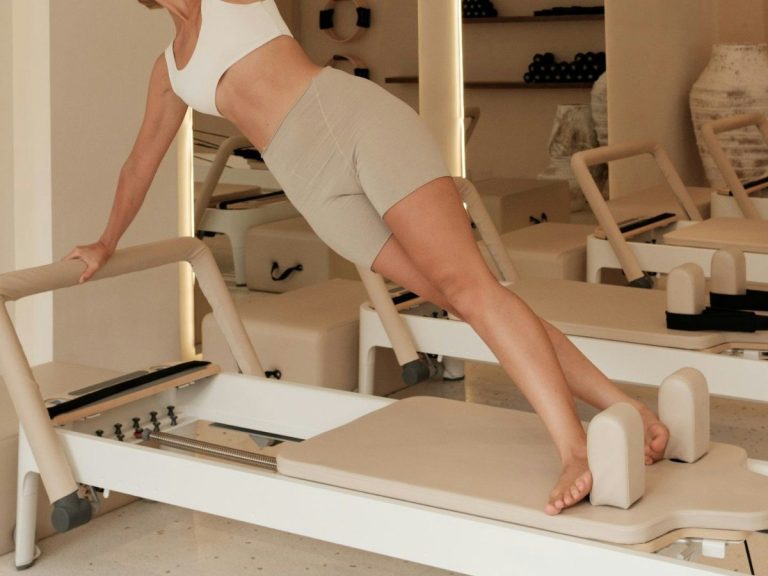
Balancing the mix also requires attention to acoustic profiles. Air bikes generate significant noise due to airflow turbulence, necessitating placement away from delicate Pilates reformer areas or yoga studios within multi-zone complexes. Conversely, magnetic spin bikes operate silently, allowing instructors to deliver guided cues without amplification systems. Strategic zoning that groups louder air bike stations near heavy bag areas or open drop-in floors, while situating quiet magnetic cycles near stretching mats or lower-impact wellness corners, enhances overall member experience. This thoughtful arrangement reflects advanced operational planning and demonstrates a commitment to accommodating varied fitness preferences under one roof.
Quantifying Revenue Impact Through Class Add-Ons and Pass Upsells
The financial argument for cycling equipment transcends mere member access; it directly fuels ancillary revenue generation. Gyms leveraging dedicated cycle suites can launch branded class series, such as “Urban Rider” or “Core Cadence,” sold as standalone add-ons or bundled into premium tier memberships. Pricing experiments show that adding a weekly cycling pass increases average revenue per user (ARPU) by 15 to 20 percent. Furthermore, partnerships with wellness apps or virtual coaching platforms allow facilities to monetize data-rich rides, offering subscribers analytics dashboards accessible only via branded console interfaces.
Corporate wellness programs and group bookings also benefit from the scalability of cycle zones. Event coordinators frequently reserve entire rooms for team-building challenges or corporate fitness days, generating bulk rental income. When facilities possess sufficient inventory of synchronized bikes with leaderboard functionality, they unlock high-value B2B opportunities that would remain inaccessible with fragmented or inadequate equipment. Calculating the payback period reveals that a fleet of twenty commercial units often recoups capital expenditure within twelve to eighteen months through direct membership uplifts, class revenues, and increased referral activity driven by positive member experiences.
Essential Specs to Evaluate Before Procuring Commercial Exercise Bikes
Weight-Bearing Frame Geometry and Dynamic Load Ratings
Structural rigidity forms the foundation of safe cycling operations. Buyers must request dyno-tested load ratings from manufacturers, verifying that the frame withstands static loads of at least 450 pounds and dynamic forces generated during standing climbs. Frame geometry should feature a wide triangular base with low center-of-gravity design to prevent lateral wobbling under aggressive pedaling. Tubing thickness typically ranges from 2.0mm to 3.0mm for critical stress points, utilizing MIG or TIG welding techniques that produce uniform joints free of porosity. Inspecting weld finishes for smooth transitions indicates quality craftsmanship and reduces snag hazards for clothing or skin during close-proximity spacing.
Additionally, evaluate the attachment architecture between moving components and the main chassis. Reinforced gussets around the seat post clamp and front axle junctions distribute torque effectively, minimizing flex over time. Some premium models incorporate adjustable leveling feet with integrated damping pads to absorb micro-vibrations transmitted to subfloors, protecting flooring investments and reducing noise propagation to adjacent rooms. Specifying these mechanical attributes ensures that the equipment maintains alignment and stability even after thousands of ride cycles, preserving rider confidence and operator peace of mind.
Magnetic versus Air Resistance: Smoothness vs Resistance Curves
Resistance technology dictates the sensory character of the workout and influences maintenance requirements. Magnetic systems, whether manual dial-controlled or electromagnetic, provide smooth, stepless resistance without physical contact between brake pads and flywheel. This design eliminates friction-induced wear, resulting in quieter operation and longer service intervals. Manual magnetic bikes suit facilities emphasizing tranquility and accessibility, often priced between $700 and $1,100 depending on console inclusion. Electromagnetic variants enable automated resistance adjustments via Bluetooth signals from virtual riding apps, commanding premiums of $1,200 to $1,600 due to embedded motor controllers and sensor arrays.
Air resistance relies on centrifugal force acting against a large fan blade housed behind a protective cage. As pedaling speed increases, so does resistance, creating an organic feedback loop ideal for athletic testing and unassisted HIIT protocols. However, air bikes demand regular cleaning of fan blades to maintain aerodynamic efficiency and may exhibit slight drag variance depending on ambient temperature. Their rugged construction supports extreme abuse but requires careful acoustic zoning. Understanding these distinctions allows procurement teams to allocate budgets appropriately, investing in electromagnetic precision for digital studios and air mechanics for warrior-style challenge zones.
Flywheel Mass and Inertia for Authentic Road Feel
The flywheel serves as the energy reservoir that mimics the momentum experienced on actual bicycles. Heavier flywheels, generally cast iron discs weighing 24 kilograms or more, sustain rotational velocity longer when cadence fluctuates, delivering a fluid, realistic ride quality essential for competitive preparation. Double-walled flywheel designs enhance inertia further by concentrating mass at the perimeter, improving angular momentum efficiency. For commercial applications targeting serious cyclists or spin instructors, selecting units with flywheels exceeding 20kg ensures participants perceive authentic gear ratios and hill simulation nuances.
Conversely, lighter flywheels respond quicker to resistance changes, benefiting interval training where rapid transitions between sprints and recoveries are paramount. While some hybrid models attempt to balance mass with responsiveness, operators must prioritize one characteristic based on primary programming philosophy. Evaluating the coefficient of rotation smoothness through sample tests or manufacturer videos reveals how well internal bearing tolerances compensate for mass variations. Proper flywheel specification correlates strongly with user satisfaction scores, as perceived ride quality heavily influences willingness to return.
Console Hardware Durability and Touchscreen Responsiveness
Modern consoles act as command centers for engagement and metrics tracking. Commercial-grade displays must withstand accidental impacts, spilled liquids, and frequent finger inputs. Tempered glass surfaces rated for scratch resistance and optical clarity indicate robust manufacturing. Capacitive touchscreens outperform resistive counterparts in accuracy and glove compatibility, responding instantly to swipe commands essential for navigation during live instruction. Battery backup modules integrated into backlit consoles preserve session data during brief power interruptions, preventing corrupted user records.
Data transmission capability represents another critical spec. WiFi dual-band antennas ensure stable streaming of leaderboards and firmware updates, while Bluetooth Low Energy (BLE) chips facilitate pairing with heart rate monitors and smart trainers. Consoles lacking connectivity modules limit integration possibilities, isolating equipment from broader gym management ecosystems. Verify port availability for USB diagnostics and Ethernet jacks where hardline stability is preferred. Selecting consoles built with conformal-coated circuit boards resists corrosion from saline environments, such as coastal gyms, extending usable lifespan significantly beyond consumer-grade alternatives.
Comparing Standout Exercise Bike Models for High-Traffic Studios
Configuration A: Heavy-Duty Urban Spin Cycle (Peak HIIT & Class Use)
High-traffic boutique studios demand equipment capable of enduring relentless abuse while maintaining performance consistency. Configuration A targets intense environments characterized by short rental turns, aggressive sprinting, and group dynamics. These units typically feature manually adjusted electromagnetic or cam-based resistance systems offering thirty-two discrete levels, allowing instructors to cue precise difficulty shifts. Frames support 350-pound user weights with reinforced seat posts rated for vertical loading exceeding 200 pounds during mountaineering simulations. Pedal assemblies utilize mesh metal platforms with toe straps and cleat adapters, securing footwear firmly under high-torque conditions.
Pricing for this configuration ranges from $950 to $1,300 per unit, balancing cost with uncompromising durability. Saddle designs incorporate dual-density gel inserts mounted on titanium rails to absorb vibration and mitigate pressure points during extended sessions. Handlebars offer multiple grip positions to promote upper-body circulation and prevent numbness. The absence of complex electronics in basic models reduces failure modes, appealing to operators who prioritize mechanical simplicity and rapid field repairs. When deployed in fleets of fifteen to twenty units, these cycles form the backbone of revenue-generating class schedules.
Configuration B: Ergonomic Upright Hybrid (Mixed-Fitness Demographics)
Mixed-demographic facilities, such as community recreation centers and upscale hotel fitness lounges, require bikes that emphasize comfort and ease of use. Configuration B introduces upright geometry with padded, contoured saddles and swept-back handlebars promoting relaxed posture. These models often feature transport wheels and lifting grips, enabling housekeeping or maintenance staff to reconfigure layouts efficiently. Resistance mechanisms lean toward smooth magnetic systems with minimal startup torque, welcoming beginners hesitant to start stationary platforms.
Cost considerations place upright hybrids between $650 and $900, making them accessible for larger deployments focused on volume rather than intensity. Consoles remain functional, displaying elapsed time, distance, calories, and pulse readouts via hand-contact sensors. Some iterations include tablet holders and water bottle cages, enhancing convenience for casual users. The emphasis on adjustability accommodates stature variances from five feet to six-foot-six inches, ensuring inclusivity. While less suited for elite athletic training, these bikes generate steady utilization metrics and contribute positively to perceived amenity value in hospitality and multifamily housing settings.
Configuration C: Smart Ecosystem Platform (App Integration & Analytics)
Forward-thinking operators building connected gyms select Configuration C units powered by interactive smart ecosystems. Featuring large-format capacitive touchscreens ranging from eleven to eighteen inches, these bikes render rich multimedia content, immersive trail visuals, and real-time competitor rankings. Built-in gyroscopes capture cadence, resistance, and elevation data, syncing seamlessly with proprietary or third-party subscription applications. Users enjoy gamified challenges, virtual classes led by global instructors, and personalized training plans adaptive to fitness progression.
Investment in smart platforms averages $1,500 to $2,500 per station, justified by premium positioning and recurring software licensing opportunities. Power requirements mandate nearby GFCI outlets or dedicated wiring runs during build-out. Networking infrastructure must support high bandwidth consumption, sometimes necessitating commercial routers with VLAN segmentation to isolate guest traffic. Despite higher upfront costs, smart bikes drive disproportionate engagement, yielding deeper data insights into member behavior and enabling targeted retention campaigns based on ride frequency and intensity preferences.
Performance Benchmarks Across Drive Train, Bearing Seals, and Pedal Stability
Behind the aesthetic and software layers lie engineering benchmarks determining operational success. Drive trains favor synchronous polymer belts over lubricated chains, eliminating squeaking and requiring zero routine adjustment. Belt tension verification should occur during installation, ideally measuring deflection within specified inch-pound thresholds. Bearing assemblies at the crankset and rear hub employ ceramic hybrid balls encased in IP67-rated seals, resisting moisture penetration and debris ingestion. Regular grease repacking every two years suffices for these sealed units, drastically reducing technician labor compared to open bushing designs.
Pedal stability encompasses axle diameter, thread pitch, and locknut security. Thicker 5/16-inch axles resist bending under lateral loads generated by clipped-in shoes. Anti-slip textures and replaceable reflectors meet safety regulations while maintaining traction. Handlebar clamps utilize dual-bolt locking mechanisms to prevent slippage despite vigorous pulling motions. Auditing these mechanical details ensures that purchased models perform reliably across millions of rotations, safeguarding against premature replacements and costly warranty claims.
Optimizing Layout, Maintenance Schedules, and Long-Term Ownership Costs
Footprint Zoning and Flooring Load Distribution (Puzzle Rubber Mat Installation)
Effective spatial planning maximizes capacity while preserving safety margins. Each commercial exercise bike requires a designated footprint of approximately four feet wide by five feet deep, plus an additional three feet of clearance on the rear and sides for mounting, dismounting, and emergency egress. Arranging rows perpendicular to walls facilitates clear sightlines for instructors monitoring technique. Floor loading calculations must account for concentrated point loads exerted by heavy flywheels and frames; substrate integrity should be verified before installing bolts into concrete slabs.
Dampening solutions protect both the equipment and underlying structure. Interlocking puzzle rubber mats, typically one and a half inches thick with densities ranging from forty-eight to sixty-four pounds per cubic foot, absorb shock and vibrate isolation. Secure mat seams prevent tripping hazards and shifting during movement. Proper subfloor preparation includes cleaning, leveling, and applying moisture barriers when installed over slab-on-grade foundations. Referencing established guides on Puzzle Rubber Mat Installation ensures optimal adhesion and long-term performance of surface treatments.
Biweekly Sanitation Protocols and Belt Chain Lubrication Cycles
Hygiene standards define the user perception of cleanliness, particularly in shared cycle environments. Sanitation protocols should mandate biweekly deep cleans where employees apply EPA-approved disinfectants to touchpoints, including consoles, resistance dials, seat rails, and pedal surfaces. Sweat guards must be wiped daily to prevent bacterial growth. Belts and chains, though largely maintenance-free, benefit from periodic inspection for cracks, fraying, or glazing. Applying dry lubricant sprays quarterly maintains flexibility without attracting dust accumulation.
Record-keeping logs documenting cleaning dates and inspector signatures create accountability trails. Staff training emphasizes correct chemical dilution ratios to avoid degrading plastic components or voiding warranties. Automated dispenser stations placed near entrances encourage user participation in pre-ride wipe-downs. These disciplined routines extend component life, mitigate odor development, and demonstrate compliance with local health department inspections.
Component Wear Tracking: Brakes, Seats, and Handlebar Bolts
Proactive wear tracking prevents catastrophic failures during sessions. For magnetic brake systems, monitor pad proximity indicators and listen for scraping noises signaling misalignment or thinning friction material. Seats experience gradual compression loss; track saddle heights relative to original markings and flag units requiring foam replacement once travel exceeds predefined limits. Handlebar bolts subjected to torsional stress should be torqued quarterly using calibrated wrenches, checking for strip threading or elongation holes.
Creating a digital asset registry captures serial numbers, installation dates, and repair histories. Predictive analytics algorithms identify patterns, such as frequent pedal adjustments correlating with specific user cohorts or seasonal humidity spikes accelerating seal degradation. Addressing minor anomalies before escalation saves labor costs and preserves member trust in equipment reliability.
Projected Five-Year Total Cost of Ownership Including Parts and Labor
Total Cost of Ownership (TCO) analysis reveals hidden expenses beyond sticker prices. Over five years, initial acquisition cost constitutes roughly sixty percent of expenditures, with the remainder allocated to consumables, service contracts, and incidental labor. Assume annual parts spending of $150 per unit covering saddles, belts, and console batteries. Factor in technician hours valued at eighty dollars per hour for scheduled preventive maintenance visits totaling four hours annually. Amortizing a $1,200 bike over sixty months yields a monthly depreciation charge of twenty dollars, culminating in a comprehensive TCO estimate of $230 to $280 monthly per machine depending on utilization intensity.
Warranty terms dramatically influence TCO calculations. Coverage spanning five years on frames and ten years on components substantially lowers risk exposure. Choosing suppliers offering flat-rate service agreements caps unpredictable outlays. Transparent TCO modeling empowers executives to compare vendor proposals accurately, selecting partnerships delivering superior value rather than superficial discounts.
Safe Rider Positioning Guidance (Ride Smart Injury Prevention)
Rider biomechanics play a crucial role in injury avoidance. Incorrect seat heights impose excessive strain on knee patellar tendons, while improper handlebar distances compress the lumbar spine. Establishing baseline fitting procedures involves instructing users to set saddle height so knees achieve a slight bend at pedal bottom stroke, aligning the kneecap vertically over the pedal spindle. Handlebars should permit relaxed arm extension without shoulder hunching. Educating members through on-site signage or orientation videos reinforces proper ergonomics. Consulting resources on Ride Smart Injury Prevention equips staff with actionable advice to assist riders during setup phases.
Critical Mistakes That Waste Budget When Buying Stationary Cycling Equipment
Prioritizing Flashy Screens Over Structural Rigidity and Joint Alignment
One of the most costly errors occurs when procurement committees award contracts based predominantly on display size and graphical fidelity. While immersive visuals enhance engagement, they cannot compensate for a flimsy frame that vibrates excessively during sprints. A wobbling bike undermines technical skill development and frustrates advanced users, leading to negative reviews and decreased participation. Structural solidity must take precedence; evaluate sample units by applying lateral pressure to the handlebars and observing deflection angles. If the chassis exhibits flex, no amount of software polish can salvage the user experience. Joint alignment features, such as fine-tuning knobs and multi-axis adjustment ranges, deserve equal attention to ensure comfortable posture across varying body types.
Underestimating Required Perimeter Space for Mounting and Dismounting
Space planning failures result in cramped installations where riders feel confined, increasing accident risks. Operators often calculate floor area based solely on machine dimensions, neglecting the kinetic envelope required for safe interaction. During mount-dismount cycles, users swing legs outward and step back several inches, necessitating adequate rear clearance. Overcrowding also impedes cleaning crews navigating between rows. Conducting mock walk-throughs using temporary markers simulates exact placements before anchoring equipment. Ensuring minimum three-foot peripheral gaps around each bike fosters an open atmosphere conducive to movement and emergency evacuation compliance.
Skipping Regional Authorized Service Partners and Inventory Checks
Buying grey market imports or bypassing authorized distributors exposes facilities to voided warranties and obsolete part availability. Counterfeit or unauthorized versions may replicate exterior styling but lack internal certifications and quality control measures. Without guaranteed access to OEM engineers and stocked warehouses, repairs stall indefinitely awaiting custom fabrication. Always verify dealer authorization status through manufacturer portals and inquire about regional inventory holding locations. Request lead time estimates for common replacement items like consoles and saddles. Securing service infrastructure upfront guarantees continuity of operations and protects capital investments.
Ignoring Quick-Seat Adjustment Mechanics During Rush Hour Traffic
In high-volume class settings, minute hand adjustment knobs consume valuable transition time between intervals. Riders struggling to loosen stiff mechanisms delay class starts and erode instructor credibility. Opt instead for spring-pin or lever-lock seatposts requiring single-motion release and insertion. Test multiple samples in-store to evaluate tactile feedback and force resistance. Fast adjustment transforms logistical bottlenecks into seamless flows, boosting class throughput capacity. Small ergonomic improvements yield measurable gains in operational velocity, directly impacting profitability metrics.
Frequently Asked Questions About Scaling Your Cardio Fleet
What Is the Recommended Starting Quantity for a Standard-Class Studio?
For a dedicated cycling studio measuring approximately fifteen hundred square feet, starting with six to eight units optimally balances density with comfort. This quantity accommodates fifty-minute sessions with fifteen-minute buffer periods for sanitation and user turnover. If integrating cycle zones within multi-purpose rooms, allocate four units initially, expanding based on utilization heat maps. Calculate occupancy limits using fire code allowances, typically permitting four square feet per person in seated assembly configurations. Flexibility to add supplemental bikes later allows phased capital deployment aligned with demand validation.
Do Commercial Magnetic Systems Require Monthly Professional Servicing?
No, properly designed commercial magnetic bikes do not mandate monthly professional intervention. Sealed bearing systems and contactless resistance mechanisms inherently resist degradation. Routine maintenance entails visual inspections, belt tension checks, and console resets performed by in-house staff quarterly. Deep servicing involving bearing repacking or magnet calibration occurs every twelve to twenty-four months depending on runtime hours. Monthly appointments unnecessarily inflate operating expenses; establishing biannual technician visits strikes the appropriate balance between vigilance and efficiency.
How Long Does the Paint Finish and Powder Coat Typically Endure in Humid Climates?
Professional powder coating applied via electrostatic deposition and cured at high temperatures adheres exceptionally well to steel substrates, enduring five to seven years of daily wear even in elevated humidity regions before requiring refinishing. Advanced formulations incorporating zinc phosphate primers provide enhanced corrosion resistance, crucial for coastal facilities exposed to salt air. Routine washing with pH-neutral cleaners preserves gloss and prevents abrasive scratching. Should chipping occur due to accidental impact, touch-up kits matching factory color codes restore appearance and inhibit oxidation. Proper maintenance significantly prolongs aesthetic viability.
Can Legacy Booking Software Sync Directly With Built-In Bluetooth Metrics?
Direct synchronization depends on software architecture openness. Modern booking platforms utilizing RESTful APIs can ingest BLE packets broadcast by consoles, mapping user IDs to ride sessions automatically. Older legacy systems lacking integration capabilities require middleware gateways translating proprietary signals into CSV exports or database injections. Consult IT departments during vendor evaluations to determine connectivity prerequisites. Some manufacturers offer white-label SDKs facilitating custom development bridges. Assessing software interoperability prevents siloed data environments and enables holistic analytics reporting across revenue, attendance, and performance dimensions.
Making the Final Purchase Decision for Sustainable Gym Growth
Matching Unit Specifications to Your Facility’s Membership Profile
Ultimately, successful equipment deployment hinges on aligning technical specifications with the unique characteristics of your membership base. Analyze demographic data regarding age brackets, fitness aspirations, and preferred class formats. Younger, performance-oriented audiences gravitate toward heavy-inertia spin cycles with responsive digital interfaces, warranting investment in Configuration A or C units. Family-centric communities benefit immensely from Configuration B upright hybrids offering comfort and approachability. Corporate clients appreciate sophisticated connectivity enabling progress tracking. Tailoring selections to audience expectations cultivates loyalty and distinguishes your facility as attentive to evolving member desires.
Actionable Next Steps for Volume Pricing Requests and Demo Fleet Trials
Progressing from evaluation to acquisition requires decisive action. Compile a definitive list of desired models, quantities, and configuration requirements. Contact Uport Fitness sales representatives to initiate discussions on volume pricing structures, which often yield substantial discounts for fleets exceeding ten units. Request shipping quotes factoring in freight insurance and dock-unloading assistance. Arrange demo fleet trials at your location whenever possible, conducting trial sessions with instructors and representative members to validate comfort, resistance feel, and console intuition. Review warranty documentation thoroughly, clarifying claim procedures and turnaround times. By methodically executing these steps, you secure a partnership poised to elevate your cardio infrastructure and accelerate sustainable business growth.