Fitness Equipment Manufacturers & Wholesale


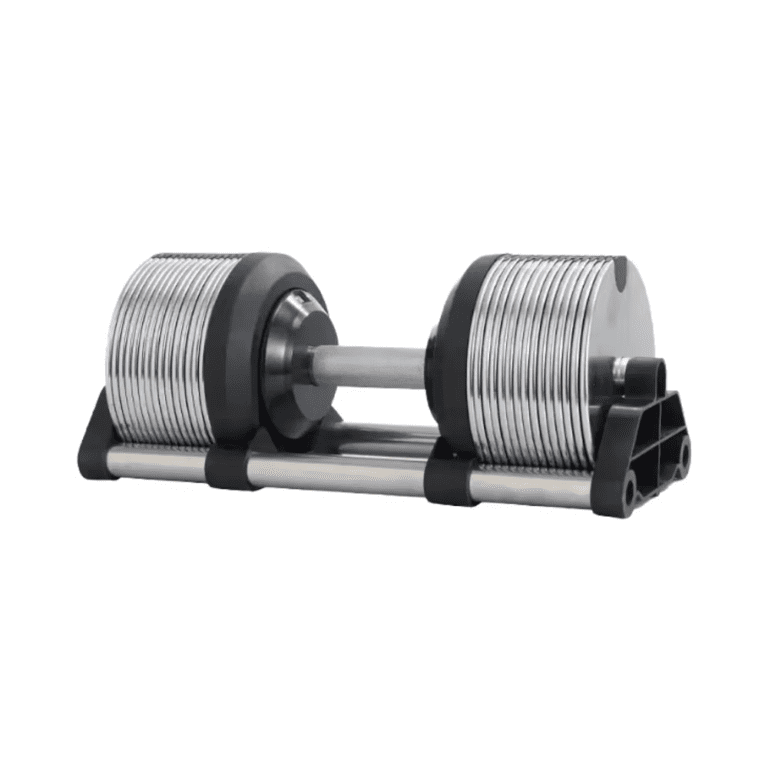
Second Gen Adjustable Dumbbells: Commercial Gym Buyer’s Guide
Introduction
In the competitive world of commercial fitness, equipment selection directly impacts member satisfaction, retention, and operational efficiency. Among the most versatile tools for any facility are adjustable dumbbells, and the second generation adjustable dumbbells from Uport Fitness represent a significant leap forward in design, durability, and user experience. This buyer’s guide explores why these dumbbells are a smart investment for gyms, personal training studios, and rehabilitation centers, and how they fit seamlessly into various training setups.
Why Adjustable Dumbbells Matter in Commercial Settings
Traditional fixed dumbbell sets consume enormous floor space and represent a substantial capital outlay, especially when you need a full range from 5 to 50 kg or more. Adjustable dumbbells solve both problems by replacing an entire rack with a single pair. For commercial facilities, this means more room for other equipment—such as air bikes or spine correctors—and greater flexibility in class programming.
The second generation adjustable dumbbells build on the success of the first generation, offering improved locking mechanisms, ergonomic handles, and enhanced weight range. They are engineered for the rigors of high-traffic gyms, where equipment must withstand daily use by dozens of members.
Key Features of the Second Generation Adjustable Dumbbells
Enhanced Durability and Construction
Uport Fitness has prioritized longevity in this iteration. The second generation features reinforced steel cores and high-impact composite shells that resist chipping and cracking. The adjustment dial is tested for thousands of cycles, ensuring reliable performance even under heavy use. This durability translates to lower maintenance costs and fewer replacements over time.
Faster Weight Changes
Time is precious during peak hours. The second generation allows users to switch weights in seconds with a simple twist of the dial. This efficiency supports circuit training, drop sets, and supersets without frustrating delays. Personal trainers can keep clients moving, and group classes can transition smoothly between exercises.
Ergonomic Design
The handles are contoured to fit comfortably in a variety of hand sizes, reducing grip fatigue. The dumbbell profile is compact, minimizing the risk of accidental knocks during crowded workouts. This ergonomic focus is particularly valuable in rehab settings, where controlled movements are essential.
Commercial Applications and Benefits
Space Optimization
Floor space is a premium in any commercial gym. A single pair of second generation adjustable dumbbells can replace up to 15 pairs of fixed dumbbells, freeing up valuable square footage. That space can be repurposed for functional training areas, stretching zones, or additional cardio equipment like spinning bikes.
Cost Efficiency
Investing in adjustable dumbbells reduces the need for multiple fixed sets. Gyms can offer a wider range of resistance without duplicating weights. The second generation is priced competitively, and its durability ensures a lower total cost of ownership. For budget-conscious facilities, this is a compelling proposition.
Versatility Across Training Styles
From strength and conditioning to Pilates and rehabilitation, adjustable dumbbells adapt to diverse programming. They are ideal for:
- Personal training sessions requiring quick weight changes
- Small group classes focusing on muscular endurance
- Physical therapy exercises with progressive resistance
- Hotel gyms and corporate fitness centers with limited space
They also pair well with other Uport Fitness products, such as benches for pressing movements or dumbbell racks for organized storage.
How the Second Generation Compares to Other Models
Uport Fitness offers a range of adjustable dumbbells, including the first generation and the third generation. The second generation strikes a balance between affordability and advanced features. While the first generation is a solid entry-level option, the second generation offers smoother adjustment and better ergonomics. The third generation includes digital connectivity, which may be overkill for some facilities. For most commercial gyms, the second generation is the sweet spot.
Additionally, Uport Fitness provides other dumbbell types, such as hexagonal rubber-coated dumbbells and electroplating chrome dumbbells, but adjustable models remain the most space-efficient choice.
Setup Tips for Commercial Facilities
Placement and Storage
Position adjustable dumbbells near benches and mirrors to create dedicated strength stations. Use a sturdy rack or stand to keep them off the floor, reducing tripping hazards. If space allows, designate a separate area for functional training with dumbbells, kettlebells, and mats.
Maintenance Schedule
Although the second generation is built to last, regular maintenance extends lifespan. Wipe down handles after use, inspect the adjustment mechanism monthly, and tighten any loose screws. Keep a log of inspections to ensure accountability.
Member Orientation
Offer a brief orientation on how to use adjustable dumbbells safely. Many members are unfamiliar with the locking mechanism, and proper instruction prevents misuse and damage. Post signage with clear instructions and weight ranges.
Conclusion
The second generation adjustable dumbbells from Uport Fitness are a strategic investment for any commercial fitness facility. They save space, reduce equipment costs, and support a wide range of training modalities. By choosing these dumbbells, gym owners and managers can enhance member experience while optimizing operations. Explore the full product line at Uport Fitness and see how these versatile tools can elevate your facility.
Practical Setup Scenarios for Different Facility Types
Understanding how second generation adjustable dumbbells from Uport Fitness perform in real-world settings helps buyers match the product to their specific needs. Each facility type presents unique challenges, and the versatility of these dumbbells allows for tailored configurations that maximize value.
For boutique personal training studios with limited square footage, a set of four to six pairs can effectively replace an entire fixed dumbbell rack. Trainers can guide clients through drop sets, supersets, and pyramid training without the clutter of dozens of individual weights. The quick-adjustment mechanism means transitions between exercises take seconds rather than minutes, keeping sessions efficient and clients engaged. Pairing the dumbbells with a compact bench and resistance bands creates a complete strength corner in less than 50 square feet.
In larger commercial gyms, adjustable dumbbells excel as supplementary equipment in functional training zones, group class areas, and small-group training studios. Rather than duplicating a full range of fixed weights across multiple zones, facility managers can deploy several pairs of adjustable dumbbells to each area, ensuring members always have access to the resistance they need without staff having to shuttle equipment between floors or rooms. This approach reduces bottlenecks during peak hours and improves overall member flow.
Rehabilitation centers and physical therapy clinics benefit from the precise weight increments that adjustable dumbbells offer. Clients recovering from injury often need to progress in small, controlled steps, and the ability to move from 5 to 7.5 to 10 pounds quickly supports gradual loading protocols. The compact design also allows therapists to keep equipment close to treatment tables, facilitating seamless transitions between manual therapy and active strengthening exercises.
Finally, hotels, corporate wellness rooms, and residential fitness amenities can offer a premium strength training experience without dedicating an entire room to equipment. A single storage stand holding several pairs of adjustable dumbbells provides enough resistance variety for most guests and employees, making these dumbbells an ideal solution for spaces where both footprint and budget are constrained.