Fitness Equipment Manufacturers & Wholesale


Plate-Loaded vs Selectorized Strength Machines: Which Fits Your Facility
Introduction
When outfitting a commercial gym or fitness facility, one of the most critical decisions you’ll face is selecting the right strength training equipment. Two dominant categories—plate-loaded and selectorized strength machines—each offer unique advantages and trade-offs. Understanding the differences is essential not only for operator satisfaction but also for maximizing member engagement and long-term ROI.
In this article, we provide a comprehensive comparison of plate-loaded vs selectorized strength machines, covering everything from space efficiency and cost to user experience and maintenance. Whether you’re upgrading an existing facility or planning a new build, this guide will help you make an informed choice.
Understanding the Two Main Types
Plate-Loaded Strength Machines
Plate-loaded machines require users to manually add or remove weight plates on a sleeve or post. They offer a more ‘old-school’ feel and are commonly found in strength-focused zones. These machines allow for incremental loading, which is ideal for experienced lifters who want to manipulate resistance in small steps.
Selectorized Strength Machines
Selectorized machines feature a stack of weights where users insert a pin to choose the desired resistance. This provides a quick and safe way to adjust weight, making them popular in circuits, rehabilitation settings, and for beginners who may be unfamiliar with loading plates.
Space and Layout Considerations
Space is a premium commodity in any gym. Selectorized machines typically have a smaller footprint per station because the weight stack is integrated into the frame. In contrast, plate-loaded machines require additional floor space for plate storage and movement around the machine.
If you’re working with a compact facility, prioritizing selectorized equipment can help you maximize the number of training stations. However, if space allows, incorporating a mix of both can enhance the training experience.
Cost Analysis: Purchase and Maintenance
Initial purchase price is often a decisive factor. Selectorized machines tend to be more expensive upfront due to the complex stacks and pulleys. Plate-loaded machines are generally more budget-friendly, especially if you already have an ample supply of weight plates.
Maintenance costs differ as well. Selectorized machines require periodic lubrication and cable adjustments, while plate-loaded machines are simpler and often have fewer moving parts. Over time, plate-loaded equipment may have lower maintenance expenses.
User Experience and Training Benefits
Plate-Loaded: Freedom and Stability
Plate-loaded machines allow for natural movement patterns and often incorporate more free-weight principles. They are excellent for powerlifters and athletes who want to mimic functional movements. The stability of these machines also makes them suitable for heavier lifts.
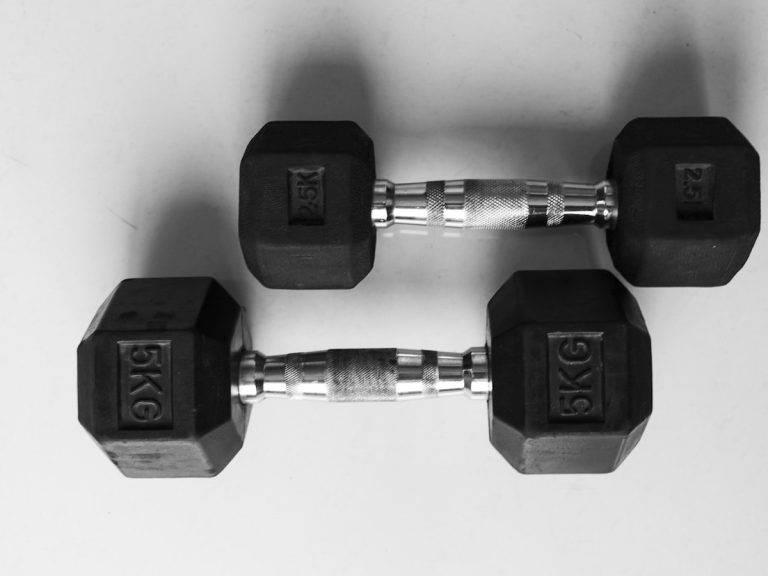
For facilities targeting advanced lifters, offering a robust plate-loaded line—including benches, racks, and specialized machines—is crucial. Consider implementing our hexagonal rubber-coated dumbbells alongside your plate-loaded equipment to create a comprehensive strength zone.
Selectorized: Safety and Convenience
Selectorized machines offer superior convenience, allowing quick weight changes without leaving the station. They are safer for beginners because the movement is guided, reducing the risk of poor form. This makes them ideal for circuits and high-traffic areas where time is limited.
Many facilities use selectorized equipment for their cardio-strength hybrid areas. Pairing them with our Air Bike can create a dynamic functional training circuit that appeals to a wide audience.
Which is Better for Your Specific Facility?
For Boutique Studios and Small Gyms
In a boutique setting, space is often scarce. Selectorized machines allow you to offer strength training without the clutter of loose plates. Their ease of use also appeals to a clientele that may include many beginners.
To diversify, you could include a few plate-loaded pieces, such as a leg press or chest press, along with your selectorized options.
For Large Commercial Gyms
Large facilities can afford to offer both types in separate zones. A dedicated plate-loaded area can attract serious lifters, while a selectorized circuit appeals to fitness enthusiasts and those seeking convenience. This mixed approach maximizes member retention across demographics.
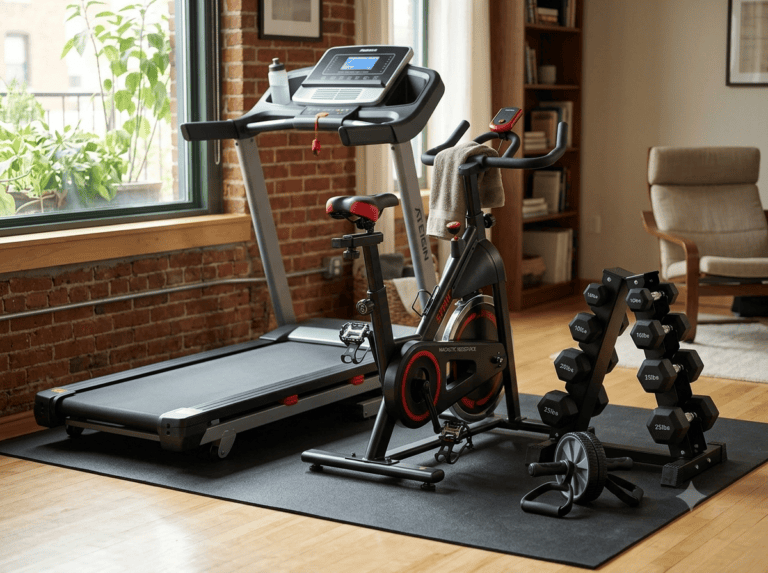
Don’t forget to include essential accessories like dumbbell racks for organized free-weight storage.
Making the Right Investment: A Hybrid Approach
Most successful gyms adopt a hybrid strategy. They place selectorized machines in high-traffic, multi-purpose zones and dedicate a separate area to plate-loaded equipment. This blend addresses the needs of all user levels, from novices to advanced bodybuilders.
When planning your layout, consider the flow between the two areas. Ensuring clear signage and equipment instruction can help your members feel confident using both types.
Conclusion
Choosing between plate-loaded and selectorized strength machines doesn’t have to be an ‘either/or’ decision. Both have distinct advantages that contribute to a well-rounded gym floor. Plate-loaded machines offer freedom and challengingly progressive resistance, while selectorized versions deliver ease and safety.
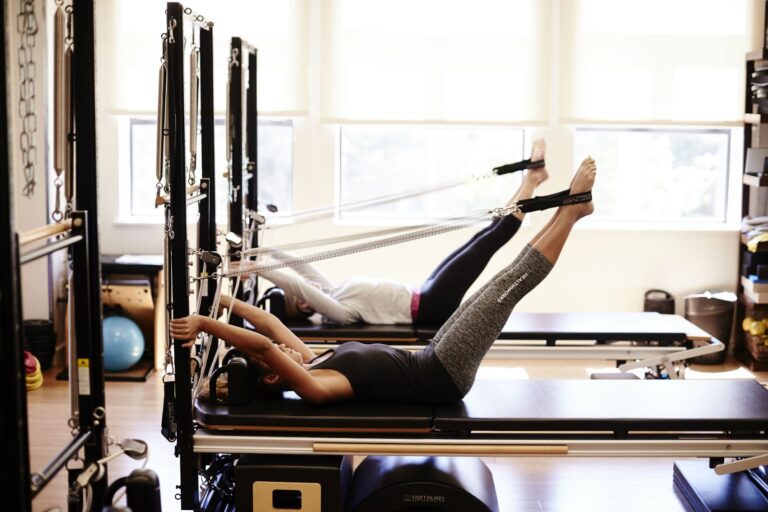
At Uport Fitness, we understand the importance of versatility. Our range includes both categories, along with complementary products like full track reformers and adjustable dumbbells to equip your facility for success. Contact our team today to discuss your unique requirements and let us help you build the perfect strength training setup.
Practical Considerations for Your Purchase Decision
Beyond the technical differences in resistance mechanisms, your decision between plate-loaded and selectorized machines should be guided by a few practical, day-to-day operational factors. First, consider your staffing model. If your facility operates with a limited number of floor staff, selectorized machines are often the more practical choice. Their self-guided design reduces the need for constant spotting or instruction, allowing staff to monitor the floor more efficiently and assist members with other needs. In contrast, plate-loaded machines require a higher level of staff presence, especially during peak hours, to ensure that members are using correct technique and re-racking plates properly. This is not just about etiquette; it is about safety. A forgotten clip or an unbalanced bar can lead to injury, so if you choose plate-loaded, plan for more active floor supervision.
Another critical factor is the speed of workouts for your members. Selectorized machines excel in circuit training and high-volume workouts because changing the pin takes less than a second. This keeps the heart rate elevated and minimizes rest time, making them ideal for busy lunchtime crowds or class-based training. Plate-loaded machines, conversely, are better suited for traditional strength training where longer rest periods are inherent to the workout protocol. If your member demographic values time efficiency above all else, the selectorized route will likely yield higher satisfaction scores. However, if your membership consists of powerlifters or bodybuilders who prefer the feel of loading iron, plate-loaded equipment will be the bigger draw.
Finally, think about your floor’s versatility. Plate-loaded stations, especially those with adjustable benches or independent arms, often allow for a greater variety of exercises than a fixed selectorized unit. A single plate-loaded multi-press can serve as a chest press, shoulder press, and incline press, whereas a selectorized machine is typically fixed in its movement pattern. This versatility can be a hidden cost-saver, as you can offer more exercise variations per square foot of floor space. For small gyms or boutique studios where space is at a premium, this flexibility is a major advantage. By weighing these practical factors against the mechanical and cost differences discussed earlier, you can align your equipment purchase with your operational capacity and your members’ workout preferences, ensuring a more successful investment.