Fitness Equipment Manufacturers & Wholesale


5 Functional Training Accessories Trending in 2026
Introduction
Functional training has evolved from a niche trend to a cornerstone of modern fitness programming. In 2026, gym owners and fitness professionals are increasingly prioritizing equipment that delivers versatility, efficiency, and engagement. As a leading manufacturer of commercial-grade fitness equipment, Uport Fitness stays ahead of the curve. In this article, we highlight the functional training accessories that are set to trend in 2026, helping you make informed purchasing decisions for your facility.
1. Ball Bags: The Ultimate Stability Challenge
Ball bags—also known as sandbags—are making a major comeback in functional training. Their malleable nature forces the body to recruit stabilizer muscles, improving core strength and balance. In 2026, ball bags are no longer just a niche tool; they are a staple in group training and HIIT classes.
Why Ball Bags Are Trending
The unpredictable shifting of weight inside a ball bag activates more muscle fibers than traditional weights. This makes them ideal for functional movements like carries, squats, and throws. They are also compact and easy to store, making them perfect for small group fitness zones.
Uport’s Ball Bag Range
Uport Fitness offers durable, high-capacity ball bags designed for repeated heavy use. Our bags feature reinforced stitching and comfortable handles, ensuring safety and longevity. Whether you’re training a client for athletic performance or general fitness, our ball bags deliver.
2. Adjustable Dumbbells: Space-Saving Versatility
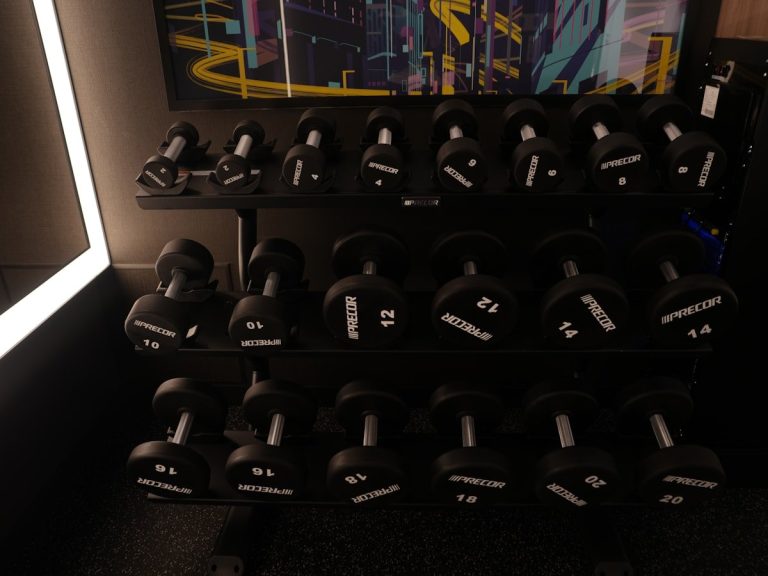
With real estate at a premium in many gyms, adjustable dumbbells are a smart investment. They allow members to switch weights in seconds, reducing clutter and enhancing workout flow. In 2026, the focus is on precision engineering and smooth adjustment mechanisms.
Evolution of Adjustable Dumbbells
Uport Fitness has been at the forefront of this innovation with our third-generation adjustable dumbbells. These models feature a user-friendly dial or tray system, enabling rapid weight changes without compromising safety. This is a game-changer for circuit training and superset routines.
3. Air Bikes: Unleashing Full-Body Conditioning
Air bikes remain a powerhouse in functional conditioning, and 2026 sees upgrades in user experience and data integration. The combination of upper and lower body movement provides an unmatched metabolic challenge.
Why Air Bikes Are a Must-Have
The air bike offers infinite resistance levels—the harder you pedal and pull, the more resistance you encounter. This makes it suitable for beginners and elite athletes alike. In 2026, models with integrated performance tracking are particularly popular, helping members monitor their output and progress.
4. Spine Correctors: Bridging Strength and Mobility
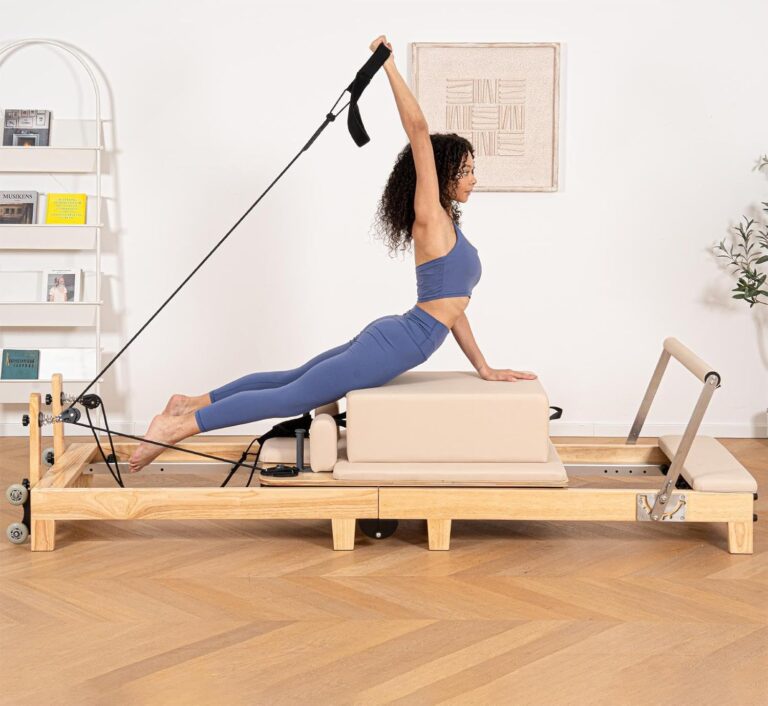
As functional training expands beyond strength to include mobility and recovery, spine correctors are gaining traction. These Pilates-based tools improve posture, spinal articulation, and core stability.
Functional Benefits of Spine Correctors
Incorporating a spine corrector into your training floor allows members to work on thoracic mobility and deep core engagement. It’s a low-impact option that complements high-intensity functional workouts, providing a balanced fitness experience.
5. Recumbent Bikes: Accessible Functional Cardio
Functional training isn’t just about strength; cardiovascular health is equally vital. Recumbent bikes offer a safe and effective option for a wide demographic, including seniors and rehab patients.
Why Recumbent Bikes Are Underrated
The recumbent bike provides excellent cardiovascular conditioning with minimal joint stress. In 2026, expect more gyms to incorporate these bikes into functional training circuits for low-impact intervals, increasing inclusivity and member retention.
Conclusion
The functional training landscape in 2026 is defined by versatility, space efficiency, and inclusivity. By investing in trending accessories like ball bags, adjustable dumbbells, air bikes, spine correctors, and recumbent bikes, you can future-proof your facility and meet the evolving needs of your members. Uport Fitness is ready to supply your gym with high-quality functional training equipment. Contact our team today to discuss your requirements and let us help you build a cutting-edge training space.
Practical Application: Designing a 2026 Functional Training Zone
Knowing which accessories to purchase is only half the equation; the other half lies in how you integrate them into a cohesive, revenue-generating training space. A scattered collection of equipment can confuse members and create safety hazards, whereas a thoughtfully designed functional zone encourages exploration, maximizes class flow, and ensures every square foot of your floor earns its keep. To start, designate a dedicated 400 to 600 square foot area within your facility, preferably with rubber flooring and clear sightlines to the front desk or coaching station. This space should be divided into four distinct quadrants: a dynamic movement lane, a loaded-carry zone, a strength circuit pad, and a recovery/mobility corner. This structure allows for both open gym usage and structured small-group classes without equipment clashes.
For the dynamic movement lane, lay down a 20-meter strip using turf or marked tape. Here, you will deploy plyo boxes, agility ladders, and sleds. Pair these with your new ball bags, placing them at the start of the lane for warm-up sequences like rotational throws and overhead slams. This setup encourages members to begin with a compound, total-body movement before moving into linear or lateral drills. In the loaded-carry zone, install a sturdy wall rack for kettlebells, dumbbells, and battle ropes. The key 2026 trend here is modularity—choose a rack that allows for swappable attachments, such as suspension trainer hooks or resistance band pegs, so you can alter the layout weekly without purchasing new equipment. This keeps the space feeling fresh and prevents the “museum effect,” where stationary gear goes untouched.
The strength circuit pad should feature your heavier functional accessories: landmine stations, plyometric boxes, and adjustable sandbags. Arrange these in a circular pattern with at least three feet of clearance around each item. This enables coaches to run efficient “every station, one minute” circuits, which are immensely popular for time-crunched members in 2026. To maximize engagement, add a digital timer or a simple whiteboard with suggested rep ranges and rest intervals at the center of the pad. This simple addition transforms a passive equipment area into an active coaching tool, reducing the intimidation factor for beginners and providing immediate guidance without staff intervention.
Finally, the recovery/mobility corner should be a deliberately quieter zone, equipped with foam rollers, lacrosse balls, and stretching straps. However, do not overlook the 2026 trend of “active recovery”—this is where you integrate balance boards and soft stability pads. Place a couple of these near a wall mirror for assisted balance work, as they complement the ball bag training by engaging the same stabilizer muscles but at a lower intensity. To complete the zone, install a color-coded signage system that explains the purpose of each area and provides a QR code linking to a video library of exercises. This low-cost addition dramatically improves user confidence and safety, leading to higher retention rates. By mapping your floor with intention and cross-training all your new accessories, you create an ecosystem that is both intuitive for members and profitable for your business, ensuring your 2026 investment delivers proven, monthly returns.