Fitness Equipment Manufacturers & Wholesale


Strength & Conditioning Equipment: How It Drives Athletic Performance
Introduction
In the realm of athletic development, strength and conditioning equipment is not just a luxury—it’s a fundamental pillar that separates good athletes from great ones. From professional sports teams to collegiate programs and commercial fitness centers, the right equipment can dramatically enhance power, speed, agility, and endurance. For B2B buyers looking to outfit a facility, understanding how these tools drive performance is critical to making informed investment decisions. This guide breaks down the science and practical application of strength and conditioning equipment, helping you build a space that athletes trust and results prove.
The Role of Strength & Conditioning Equipment in Performance
Strength and conditioning equipment encompasses a broad range of tools—from free weights and racks to specialized machines and cardiovascular units. Their primary purpose is to systematically stress the body to adapt, resulting in improved athletic output. This equipment isn’t just about building muscle; it’s about training the nervous system to fire more efficiently, increasing force production, and improving movement economy.
Power and Speed Development
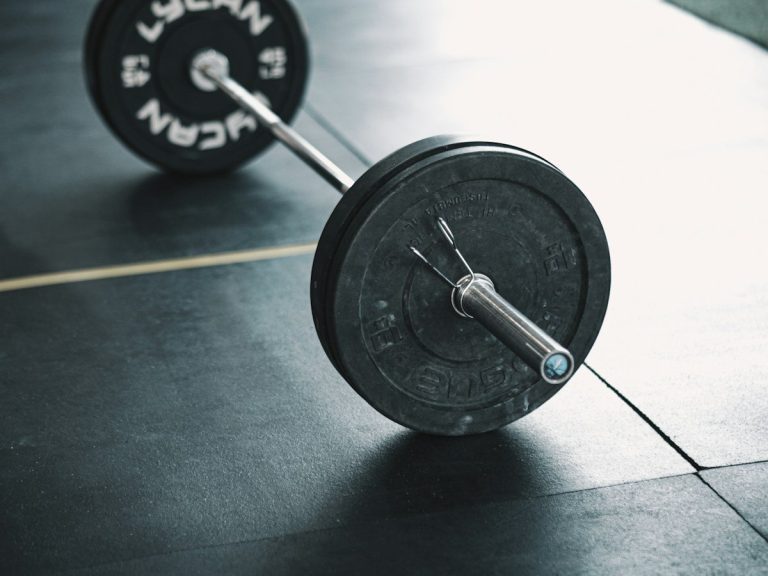
Olympic lifting platforms, plyometric boxes, and medicine balls are staples for power and speed development. These tools train the stretch-shortening cycle, helping athletes generate explosive force. For example, a power clean performed on a reinforced platform teaches triple extension—ankle, knee, and hip—which translates directly to sprinting and jumping. Uport’s strength training essentials like bumper plates and bars are designed to withstand high-impact drops and heavy loads, making them ideal for high-intensity programs.
Strength and Hypertrophy
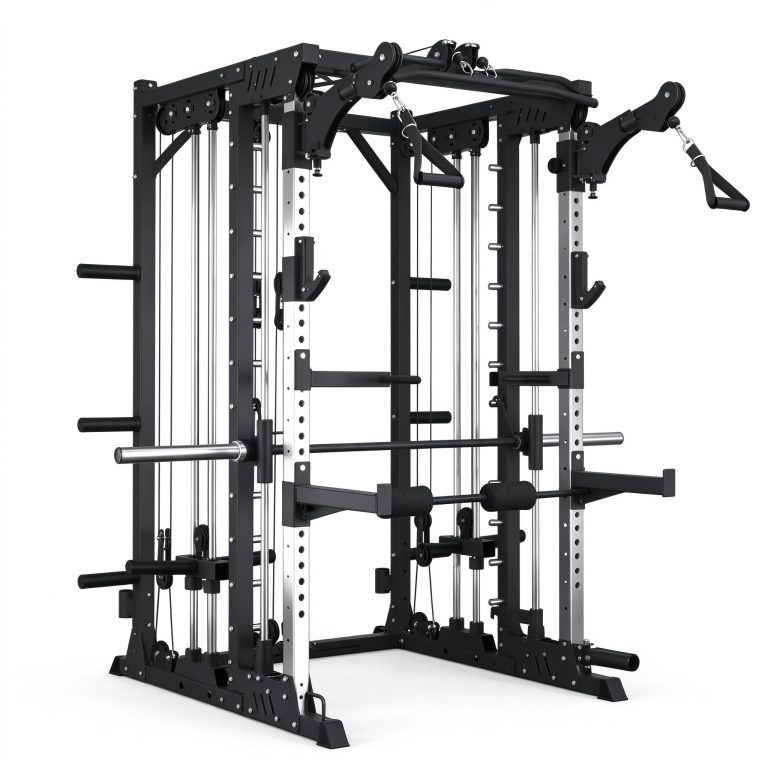
For pure strength and muscle growth, racks, benches, and dumbbells are non-negotiable. Compound movements like squats, deadlifts, and presses build the foundational strength that underpins all athletic movements. Adjustable benches and dumbbells allow for variety, ensuring athletes can target multiple muscle groups without needing a dozen different machines. Our hex rubber dumbbells are a favorite among commercial facilities for their durability and comfortable grip, essential for high-volume training.
Injury Prevention and Longevity
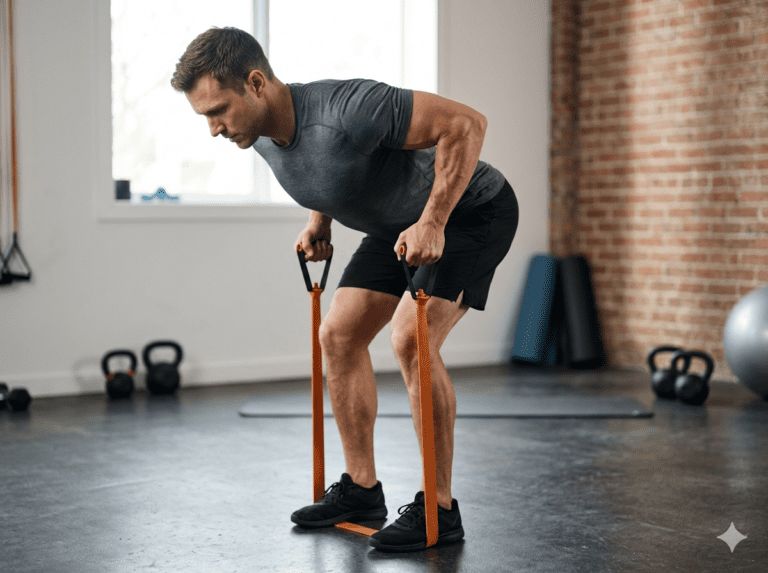
One of the most undervalued aspects of strength and conditioning is its role in injury prevention. Stronger muscles, tendons, and ligaments absorb more force, reducing the risk of acute injuries and overuse conditions. Equipment like cable machines and resistance bands allow for controlled, multi-planar movements that strengthen stabilizer muscles often neglected in traditional lifting. A well-designed facility includes these tools to keep athletes healthy and on the field.
Core Stability and Functional Strength
Functional training tools like stabilizer balls, Bosu balls, and TRX systems are excellent for building core stability and joint mobility. These pieces force the body to work as a unit, improving balance and coordination. For example, a cable rotational throw mimics a throwing or swinging motion, training the core to transfer energy efficiently. Choosing versatile equipment that supports both compound and isolation work is key to a balanced program.
Endurance and Conditioning
Strength and conditioning isn’t just about heavy lifting—it’s also about raising work capacity. Conditioning tools like rowers, ski ergs, and battle ropes push the cardiovascular system while maintaining muscular strength. Interval training on these machines simulates the stop-and-go nature of many sports, improving anaerobic threshold and recovery. For B2B buyers, offering a mix of these equipment types ensures your facility can cater to athletes of all disciplines.
Variety and Athlete Engagement
Modern strength and conditioning facilities are moving beyond traditional weight stacks. Air bikes, sleds, and plyometric ladders add an element of fun and challenge, keeping athletes engaged and motivated. When athletes are engaged, they train harder and show better results—a win for your facility’s reputation.
Key Considerations for B2B Buyers
When investing in strength and conditioning equipment, several factors come into play: durability, safety, versatility, and space efficiency. Commercial-grade equipment must withstand constant use and heavy loads. Look for materials like thick-gauge steel, reinforced cables, and high-density padding. Additionally, consider modular equipment that can be used for multiple purposes—saving floor space and increasing ROI.
Uport Fitness offers a comprehensive range of strength and conditioning gear, from adjustable dumbbells to heavy-duty racks and conditioning sleds. Our equipment is factory-tested to meet international standards, ensuring long-term reliability and safety. We also provide customization options to match your branding and facility needs.
Data and Long-Term Investment
Investing in strength and conditioning isn’t just about short-term gains—it’s a long-term strategy. Facilities that prioritize performance gear attract serious athletes who are willing to pay premium membership rates. Moreover, injury prevention reduces liability and downtime. A study by the Journal of Strength and Conditioning Research showed that well-equipped facilities improve training outcomes by up to 20% compared to minimal setups.
When calculating your budget, factor in installation, maintenance, and space planning. Many B2B suppliers, including Uport, offer logistics support to streamline delivery and setup—a critical aspect for seamless operation. For a smoother procurement process, understand our logistics information and what to expect from factory to doorstep.
Conclusion
Strength and conditioning equipment is the backbone of athletic development. From building raw power to refining speed and preventing injuries, the right tools elevate every athlete’s potential. For B2B buyers, equipping your facility with high-quality, versatile gear is not just a purchase—it’s an investment in performance excellence. At Uport Fitness, we manufacture equipment designed to meet the rigorous demands of professional and amateur athletes alike. Explore our product lineup and partner with a manufacturer committed to your success. For any questions about setup or bulk purchasing, don’t hesitate to reach out to our team—we’re here to help you build a facility that drives real results.
Practical Application: Designing a Performance-Driven Equipment Layout
Selecting the right equipment is only half the battle; the other half lies in how you arrange and integrate it into a cohesive training environment. A poorly planned gym floor can lead to bottlenecks, safety hazards, and underutilized assets. For B2B buyers, a strategic layout maximizes return on investment and ensures athletes flow seamlessly from warm-up to explosive movement to recovery.
Start with a dedicated sprint and plyometric zone. This area should feature a non-slip, shock-absorbing turf strip of at least 15–20 meters, paired with a plyometric box set, agility ladders, and hurdle hurdles. Positioning this zone away from heavy racks prevents collisions and allows for uninterrupted timed sprints or jump drills. Next, establish a “power alley” for Olympic lifting and explosive pushes. Here, you’ll want calibrated bumper plates, a deadlift platform, and a weighted sled system on a low-friction track. This central zone should anchor the room, as it requires the most floor space per athlete for safe barbell cycling.
Around the perimeter, place adjustable benches, cable crossover stations, and a series of kettlebells and medicine balls against wall-mounted storage racks. This frees up the central floor for dynamic movement and group circuit training. Crucially, install a digital timing system (like Freelap or Brower) at the entrance of the sprint lane and integrate a smart video analysis camera to record lifts. These connected tools give coaches immediate, data-driven feedback, turning a simple equipment purchase into a high-tech performance lab. Finally, never overlook the recovery corner—a space with foam rollers, percussion massagers, and a few stretching mats. This signals to athletes that performance continues beyond the last rep, reducing injury rates and improving training consistency across the board. By mapping out these distinct but interconnected zones, you create a facility that operates with the precision of a competition arena, not just a storage room for iron.