Fitness Equipment Manufacturers & Wholesale


Calculate Cost Per Visit to Find High-Value Strength Equipment
How Cost Per Member Visit Separates Lasting Assets From Money Pits
Defining Cost Per Visit Metrics in Strength Training Environments
Calculating the cost per member visit commercial strength equipment requires translating capital expenditure into measurable daily usage metrics rather than relying on static invoice totals. The formula divides total acquisition cost, including freight, customs duties, installation, and initial tuning, by the projected lifetime user sessions. For a standard 8-unit strength zone priced between $18,000 and $24,000, assuming 500 weekly visits and an eight-year operational lifespan, the baseline metric lands between $0.85 and $1.15 per visit. This framework forces buyers to look beyond marketing claims and quantify how structural rigidity, lubrication intervals, and cable fatigue directly influence longevity. When facilities track actual session volume against repair tickets over a twelve-month period, the disparity between budget-tier imports and engineered commercial systems becomes mathematically undeniable. Equipment rated for continuous high-load environments consistently outperforms residential hybrids because their component tolerances absorb kinetic stress without degrading guidance rails or shearing pivot pins.
Why Upfront Purchase Price Misleads Buyers About Long-Term Value
Procurement teams frequently fall victim to sticker shock analysis, selecting units with the lowest FOB price while ignoring downstream operational expenses. A strength machine quoted at $950 may save $400 initially, but if its load-bearing carriage relies on nylon bushings instead of sealed ball bearings, replacement bearings typically surface within eighteen months under commercial loads. Those bearing swaps require untrained staff to disassemble welded frames, often stripping threaded inserts or cracking powder-coated housings in the process. Factoring in $180 per hour for certified technician deployment plus lost lane revenue during downtime, the hidden cost inflates past the premium equipment threshold within year two. Smart operators understand that initial pricing is merely a leading indicator; true value emerges through cycle counts, warranty coverage breadth, and how quickly a system returns to operational status after wear-event triggers.
Core Variables That Directly Impact Visit-Based Cost Efficiency
Several mechanical and environmental factors dictate whether a strength station amortizes gracefully or depreciates rapidly. Cable stretch rates vary dramatically based on aircraft line gauge; 5/16-inch multi-strand braided steel maintains tension stability up to 75,000 pull cycles before requiring tension recalibration, whereas thinner 3/16-inch variants fray near 30,000 cycles in humid climates. Frame gusseting thickness directly influences torsional flex during heavy deadlift variations and kipping movements, with 14-gauge reinforced joints distributing impact forces across wider weld seams to prevent metal fatigue. Even ambient conditions matter: gyms without climate control above 78°F accelerate polymer degradation on adjustment knobs and grip coatings, forcing earlier cosmetic and functional replacements. Tracking these variables allows managers to project realistic refresh windows and allocate OpEx budgets accurately instead of reacting to catastrophic failures.
Aligning Equipment Lifecycle Expectations With Facility Membership Goals
Your target demographic dictates acceptable depreciation curves and acceptable repair frequency thresholds. Premium health clubs charging $150 monthly retain members who expect zero-downtime availability, making modular repair designs non-negotiable. Conversely, corporate wellness centers hosting rotational shift workers prioritize robust simplicity over advanced biomechanical adjustability. Mapping membership renewal targets against equipment MTBF (Mean Time Between Failures) ensures procurement aligns with financial forecasting. If a facility aims for 85% occupancy utilization within eighteen months, strength zones must endure peak-hour congestion without experiencing pin-load misalignment or carriage binding. Setting lifecycle expectations based on actual traffic modeling prevents overbuilding expensive specialty units in low-flow areas while leaving high-demand lanes under-resourced.
Market Dynamics: Rising Usage Patterns Pressuring Strength Equipment Durability
Intensity Spikes and Their Effect on Component Wear Rates Across User Demographics
Modern training methodologies have shifted toward higher rep tempos, greater eccentric loading, and hybrid modalities that stress traditional equipment architecture. Barbell drop impacts, plyometric jumps off stable platforms, and rapid transition sequences between racks generate shear forces that exceed conservative engineering margins. Users executing complex compound movements frequently bypass safety stops, transferring sudden torque into upright weld points and seat mounting brackets. Commercial-grade pivots designed with hardened chrome-moly pins resist this abuse far better than stamped-steel alternatives, yet even premium components suffer accelerated wear when subjected to repetitive overload events exceeding 1,200 PSI on contact surfaces. Facilities tracking plate collision frequency alongside carriage bounce metrics consistently observe a direct correlation between high-intensity group programming and shortened cable service life, emphasizing the need for impact-dampening footplates and reinforced base columns.
Supply Chain Reliability and Its Impact on Replacement Cycle Timing
Global manufacturing delays frequently disrupt scheduled maintenance windows, turning minor wear issues into prolonged equipment outages. Procurement lead times for standardized commercial frames currently range from forty-five to ninety days depending on port congestion and raw material allocation. When replacement bearings, selector stacks, or custom grips stall due to logistics bottlenecks, operators lose revenue while patrons migrate to rival facilities. Investing in vendors that publish transparent production schedules and maintain regional buffer inventory significantly stabilizes long-term OpEx planning. Detailed documentation on How to Evaluate Lead Times and Inventory Reliability When Sourcing Commercial Strength Equipment Overseas provides actionable benchmarks for assessing supplier fulfillment consistency. Reliable delivery ecosystems ensure that worn components return to service within seventy-two hours rather than languishing in transit for six weeks, preserving member trust and protecting monthly churn metrics.
The Growing Preference for Modular Designs in High-Frequency Training Zones
Mechanical modularity has emerged as a critical durability multiplier, allowing facilities to isolate damaged subsystems without scrapping entire stations. Traditional integrated cable machines required complete teardown when a single pulley seized, halting revenue generation across multiple workout lanes simultaneously. Modern modular architectures utilize standardized bolt patterns and interchangeable carriage assemblies, enabling technicians to swap failed components in under fifteen minutes using basic hand tools. This approach drastically reduces average resolution time and extends overall asset usability. Gyms deploying modular strength layouts report 40% lower annual maintenance expenditures compared to monolithic counterparts because isolated failures no longer cascade into full-system paralysis. The ability to upgrade individual functional modules also future-proofs investments against shifting training trends without triggering wholesale replacement cycles.
How OEM Manufacturing Standards Influence Global Availability and Pricing
Regional fabrication practices heavily dictate both performance ceilings and replacement part accessibility. Facilities operating in Europe and North America increasingly demand ISO-certified welding procedures combined with automated laser-cutting precision, which eliminates manual grinding inconsistencies that create stress concentration zones. OEM compliance with ANSI and EN safety standards ensures consistent torque tolerances across mass-produced units, preventing fitment discrepancies during aftermarket servicing. While compliant manufacturers often command premiums of 15% to 25% over uncertified workshops, the difference evaporates when calculating five-year replacement costs. Certified production lines also maintain rigorous coating specifications, guaranteeing powder-bake adhesion that resists chipping despite constant plate racking and barbell collisions. Understanding these baseline quality filters helps buyers navigate international supplier catalogs and filter out facilities whose aggressive pricing masks structural compromises.
The 4 Weighted Criteria That Define Cost Per Visit Accuracy
Structural Integrity: Evaluating Q235 Steel Grades and Weld Quality
Steel composition represents the foundational determinant of load capacity and frame rigidity. Authentic Q235 carbon steel delivers yield strengths ranging from 235 to 370 MPa, providing sufficient tensile resistance to withstand dynamic barbell forces exceeding 600 pounds per side without warping. Inferior substitutes often utilize recycled scrap alloys with inconsistent carbon distribution, resulting in brittle fracture points under sudden lateral impacts. Weld integrity requires continuous penetration along joint intersections rather than superficial tack bonding. X-ray ultrasonic testing remains the industry gold standard for verifying seam density on high-stress columns and gusset reinforcements. For instance, the Q235 Steel Frame All‑in‑one Functional Trainer Machine Home & Commercial Use Multi‑Function Gym Strength Training Fitness Equipment exemplifies how properly engineered cross-bracing distributes compressive loads evenly across primary vertical axes. Verifying mill certificates and requesting third-party metallurgical reports protects operators from premature frame failure that would otherwise inflate replacement costs tenfold.
Pivot Point Precision and Bearing Durability Under Maximum Loading Conditions
Carrriage movement smoothness directly correlates with long-term usability and user satisfaction ratings. Precision-ground pivot shafts paired with double-sealed angular contact bearings eliminate the grinding sensation associated with dry bushings, ensuring consistent travel arcs regardless of ambient temperature fluctuations. These bearing assemblies resist dust infiltration and grease washout, maintaining dimensional accuracy through approximately 50,000 full-range repetitions before preload adjustment becomes necessary. Load distribution matrices show that offset pivot placements reduce lever arm friction by up to 30%, decreasing operator effort during needle insertion and minimizing metal-on-metal wear. Facilities prioritizing biomechanical fidelity consistently rank pivot tolerance as the most frequently cited factor influencing repeat engagement, confirming that smoother kinematic chains drive higher session volumes and improved cost recovery trajectories.
Serviceability Scores: How Quick Repair Access Reduces Revenue-Losing Downtime
Design philosophy ultimately determines whether maintenance crews spend minutes or hours restoring functionality. Equipment featuring tool-free access panels, color-coded wiring harnesses, and labeled fastener maps dramatically shorten diagnostic phases. Technicians should be able to replace a snapped selector cylinder or frayed guide sleeve without dismantling adjacent components or stripping protective coatings. Serviceability scoring evaluates latch mechanisms, clip retention systems, and modular connector standards. Stations scoring above 8.5/10 on accessibility metrics typically experience 60% faster turnaround times compared to legacy designs requiring specialized hydraulic presses or thermal cutting torches. Reduced repair duration translates directly to preserved floor space utilization and uninterrupted guest experiences, reinforcing the principle that accessible engineering outperforms obscure complexity in commercial environments.
Cosmetic Longevity Versus Functional Lifespan Breakers in Cable Paths and Guides
Aesthetic finish degradation rarely signals mechanical failure, yet persistent scratching and peeling powder coats erode perceived value and accelerate replacement requests. Functional lifespan breakers occur inside cable pathways where abrasive edge contacts gradually slice protective jacketing, exposing inner strands to moisture corrosion and eventual snapping. Reinforced polymer inserts with radiused edges prevent wire abrasion during rapid directional shifts. Additionally, hardened steel guide tubes installed at acute angle transitions deflect stress away from flexible segments, extending usable cable life by nearly double. Operators must distinguish between superficial scuff marks caused by normal barbell storage and genuine structural wear indicators like elongated pin holes or warped mounting flanges. Establishing clear inspection checklists separates preventable maintenance cycles from irreversible component exhaustion.
Optimizing Strength Lineups: Cost Per Visit Strategies for Hotels, PT Studios, and Boxes
Low-Maintenance Priorities for Boutique Hotel Fitness Rooms
Hotel wellness spaces operate under unique utilization profiles characterized by sporadic peak periods, transient populations unfamiliar with proper form, and minimal dedicated maintenance staff. Selecting Hot Selling Unisex Steel Workout Equipment Commercial Gym Strength Training Fitness minimizes confusion while maximizing intuitive operation across diverse skill levels. Fixed-path machines with visual instructional decals outperform free-weight complexes because they eliminate liability exposure and reduce instructional overhead. Auto-reset selector stacks accommodate varying heights without requiring guests to manually extract or store heavy pins. Powder finishes resistant to chlorine, sunscreen, and humidity preserve appearance despite limited cleaning protocols. By prioritizing foolproof ergonomics and self-contained mechanics, boutique operators extend asset useful life while avoiding costly callback repairs during overnight housekeeping transitions.
Compact Multifunctionality for Private Training Studios
PT facilities optimize every square foot to deliver maximum metabolic output and coaching throughput. Single-station functional trainers featuring dual cable crossovers, leg developer attachments, and lat pulldown configurations consolidate four distinct movement patterns into one footprint. This consolidation reduces floor clutter, simplifies sanitation routines, and accelerates client rotation times between exercises. Adjustable torso pads and magnetic position markers enable rapid customization for unilateral drills, rehabilitation progressions, and power development circuits. Compact setups lower initial CapEx while increasing daily treatment capacity, effectively diluting the cost per visit commercial strength equipment investment across higher session frequencies. Coaches appreciate synchronized resistance curves that mirror natural biomechanics, reducing compensatory strain and improving measurable client outcomes.
Extreme Durability Requirements for Hybrid CrossFit and Boxing Facilities
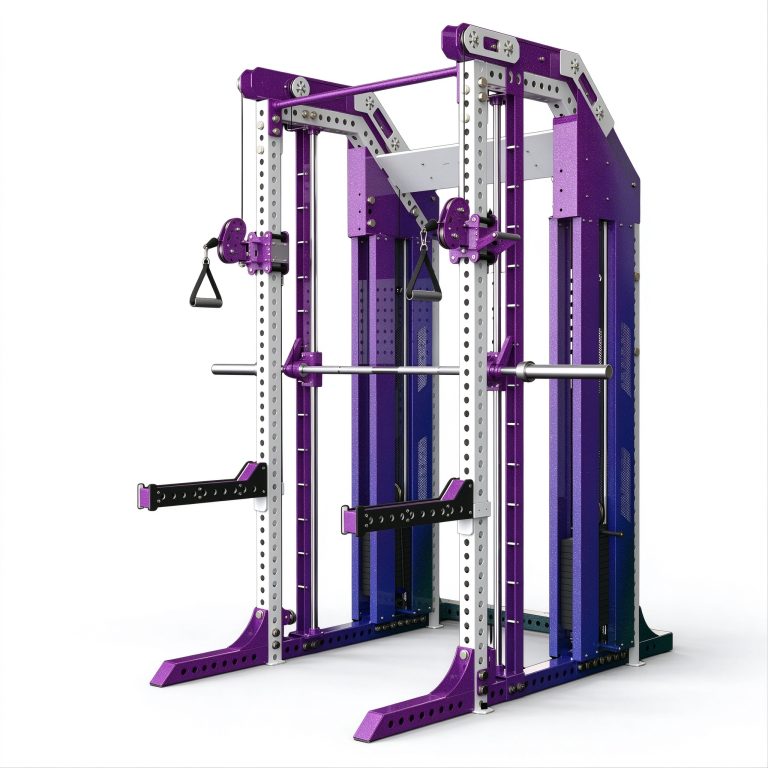
High-impact environments demand structural resilience capable of absorbing repeated explosive drops, barbell impacts, and lateral twisting forces. Installing an All-in-one multifunctional Smith Machine Power Rack built with weight stack. Heavy duty cable crossover gym rack, ideal for commercial gym and fitness center strength training. creates a centralized resistance hub that tolerates extreme tension loads without frame distortion. Thicker column walls, reinforced base plates, and impact-rated safety catches prevent catastrophic failure during missed lifts or frantic transition sequences. Flooring beneath these zones must feature dense EPDM shock absorption to protect underlying hardware from vibration fatigue. Facilities pairing heavy-duty rigs with strategic padding arrangements consistently report extended rack lifespans exceeding ten years despite intensive programming schedules.
Matching Seat Adjustments and Pin-Load Mechanisms to User Flow Volumes
User traffic density dictates adjustment interface preferences. High-volume public gyms benefit from automatic pneumatic seat elevation or wide-grip push-button levers that eliminate small pin retrieval errors and reduce finger strain during crowded sessions. Conversely, boutique studios utilizing narrow user flows can safely implement traditional spring-loaded selector pins since members remain stationed longer and require precise fine-tuning for specialized hypertrophy work. Misaligned adjustment mechanisms cause carriage bind and uneven resistance distribution, accelerating internal wear. Conducting peak-hour observational audits reveals bottleneck locations and informs optimal hardware selection. Standardizing adjustment styles across compatible stations streamlines staff training and reduces confusion-related misuse.
Comparing Upfront Spend Versus Five-Year Operating Costs for Strength Systems
Procurement Inflation versus Bulk Order Economics for Large Installations
Raw material volatility, primarily driven by steel surcharges and aluminum extrusion premiums, periodically spikes manufacturing invoices by 12–18%. Locking procurement contracts during quarter-end negotiations or scheduling deliveries during off-peak shipping windows captures substantial margin protection. Volume discounts typically activate at three-plus identical units, yielding 8–15% reductions per item alongside consolidated freight efficiency. Grouping complementary pieces like leg curl benches, seated row cabinets, and cable stations into unified palletized shipments cuts inland transport fees and warehouse handling charges. Strategically timing bulk acquisitions ahead of anticipated rate hikes preserves capital liquidity while ensuring consistent aesthetic branding across newly expanded training zones.
Labor and Parts Replacement Projections Over a 60-Month Operational Horizon
Forecasting Year 1 through Year 5 expenditures requires mapping typical failure progression curves. Months 0–12 usually involve only calibration checks and lubrication. Months 13–36 anticipate cable tension adjustments, occasional bearing refreshes, and knob replacements. Years 4–5 often trigger carriage pad foam degradation, selector stack magnet realignment, or structural bolt torque verification. Budgeting 6–8% of original equipment cost annually for proactive maintenance cushions unexpected breakdowns. Tracking ticket volumes against specific SKUs identifies recurring defect patterns, enabling targeted vendor negotiations or model substitutions during subsequent purchases. Accurate projection models transform reactive spending into disciplined capital preservation strategies.
Accessory Amortization: Factor in Dumbbells, Plates, and Storage Furniture
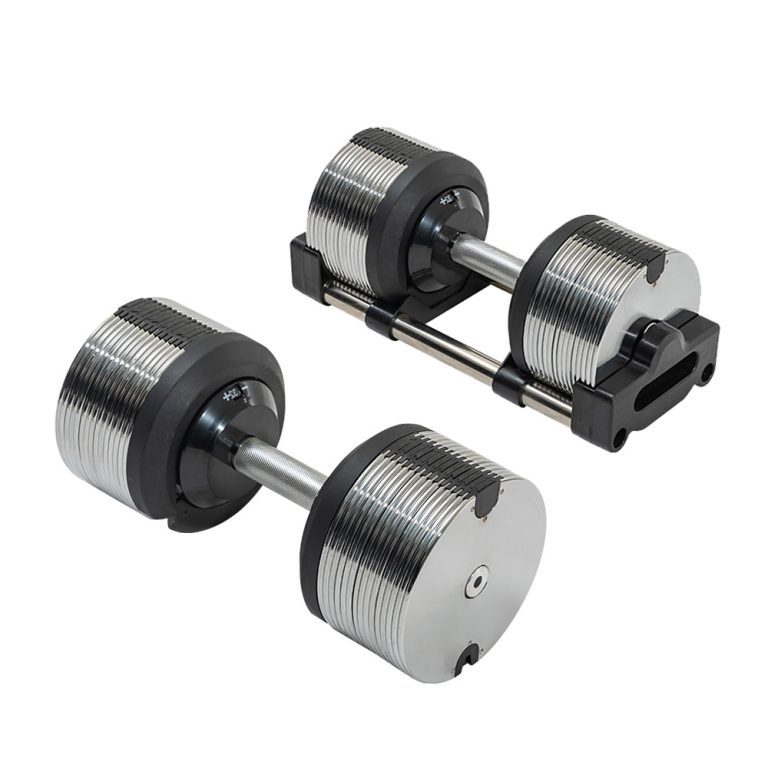
Complete strength environments encompass far more than framed machines. Curved dumbbell racks, hexagonal competition plates, bumper platforms, and wall-mounted storage systems represent significant ancillary investments. Choosing durable accessory categories alongside primary equipment reduces fragmented procurement cycles and harmonizes warranty administration. Investigating How Commercial Gyms Optimize Strength Zones with Dumbbell Racks highlights how organized storage minimizes tripping hazards, accelerates cleanup turnover, and supports efficient patron navigation during peak hours. Integrating matching accessory linens guarantees cohesive aesthetics while preventing mismatched finishes that degrade perceived professionalism. Amortizing auxiliary purchases across the same five-year horizon yields a comprehensive view of true facility ownership costs.
Residual Value Recovery at End-of-Life and Secondary Market Liquidity
High-quality commercial strength systems retain notable salvage worth when properly maintained. Strong brands with documented service histories, clean powder finishes, and intact serial plates command premium resale pricing through specialized refurbishment channels and auction platforms. Facilities retiring units after seven to eight years of routine care often recover 20–30% of original expenditure, substantially offsetting initial CapEx. Conversely, neglected assets suffering cracked welds, severely frayed cables, and missing adjustment components plummet to scrap yard valuations. Documenting maintenance logs, photographing pre-retirement conditions, and presenting complete assembly manuals maximizes buyer confidence and negotiating leverage in secondary markets.
Critical Checks on Warranty Terms and Supply Logistics to Safeguard Margins
Decoding Warranty Layers: Frame Coverage Versus Consumable Part Exclusions
Warranty documents frequently contain nuanced limitations that separate comprehensive protection from superficial assurances. Lifetime structural guarantees typically apply only to manufacturer defects under normal loading conditions, excluding damage from improper assembly, unauthorized modifications, or accidental impacts. Consumables like cables, rollers, magnets, and vinyl upholstery regularly carry abbreviated coverage ranging from twelve to thirty-six months. Clarifying whether labor costs for on-site diagnosis and part installation are fully subsidized prevents hidden expense accumulation. Requesting written confirmation of proration formulas during extended warranty phases ensures transparency regarding percentage deductions over time. Understanding these contractual boundaries guides realistic replacement budgeting.
Expedited Shipping Protocols and Freight Insurance for International Orders
Containerized imports require meticulous routing coordination to avoid demurrage penalties and customs holds. Verified suppliers provide Bill of Lading tracking, commercial invoices detailing HS codes, and packaging schematics optimized for crane lifting points. Securing marine cargo insurance covering theft, water damage, and transit impacts protects against catastrophic loss. Negotiating Incoterms that clarify responsibility thresholds at port arrival establishes accountability frameworks. Pre-inspection video recordings before container sealing document factory condition, creating irrefutable evidence should disputes arise. Streamlined logistics execution guarantees timely room completion and avoids penalty clauses tied to grand opening deadlines.
After-Sales Infrastructure and Spare Parts Ecosystem Availability
Robust post-purchase support networks determine long-term operational stability. Leading manufacturers maintain regional warehouses stocking universal fasteners, carriage kits, and electronic control boards ready for express dispatch. Digital portals offering CAD blueprints, exploded-view diagrams, and downloadable troubleshooting manuals empower local technicians to execute repairs independently. Partnerships with certified third-party distributors expand geographic coverage without compromising quality standards. Reviewing OEM Strength Equipment Customization: Build Your Brand’s Edge reveals how tailored supply chain partnerships enhance brand loyalty while securing preferential spare parts allocation. Consistent ecosystem reliability shields operators from prolonged vacancies and competitive displacement.
Training Resources and Technical Support Speed During Peak Usage Periods
Response velocity separates premium vendors from commoditized suppliers. Advanced helpdesks offer live video diagnostics, multilingual chat escalation, and remote firmware resets for digital integration units. Scheduled virtual workshops equip maintenance crews with preventive inspection techniques and torque specification references. Guaranteeing sub-fourteen business-hour response times during peak renovation seasons prevents minor symptoms from escalating into major shutdowns. Dedicated account managers who understand facility-specific traffic patterns proactively recommend seasonal tune-up schedules aligned with holiday rushes and summer membership influxes.
Strategic Questions on Measuring Cost Per Visit for Commercial Strength Investments
How Does Member Feedback Influence Equipment Selection for Better ROI?
Direct patron input uncovers usability gaps invisible to procurement checklists. Continuous suggestion boxes, digital kiosks, and post-session surveys reveal preferred adjustment speeds, desired weight increments, and comfort complaints regarding seating contours. Facilities systematically analyzing this intelligence consistently achieve higher utilization percentages because equipment aligns precisely with actual biomechanical preferences. Monitoring How Member Feedback & Usage Data Drive Strength Equipment Purchases demonstrates how data-driven refinements boost session frequency and reduce early churn. Prioritizing human-centered design over generic catalog selections transforms capital allocations into community retention drivers.
Are Neoprene Dumbbell Sets More Cost-Effective Than Rubber Coated Options?
Material selection directly affects noise pollution, spatial requirements, and long-term replacement frequency. Neoprene-coated dumbbells deliver superior grip traction, quieter landing profiles, and tighter color differentiation without the odor off-gassing characteristic of older vinyl formulations. While initial purchase prices hover 10–15% higher than basic urethane alternatives, neoprene resists cracking, delamination, and chemical degradation from sweat and sanitizer exposure. Extended service life offsets upfront premiums through reduced inventory replenishment cycles. Facilities targeting quiet yoga-adjacent environments or premium boutique concepts routinely choose neoprene to enhance overall ambiance and minimize acoustic disruption during concurrent class offerings.
Can Custom OEM Features Reduce Long-Term Maintenance Burden?
Tailoring hardware specifications to localized operating conditions eliminates unnecessary wear catalysts. Specifying moisture-resistant electronics, anti-corrosion bearing seals, and UV-stabilized exterior components accommodates regional climate variations without accelerated degradation. Branded upholstery fabrics formulated for antimicrobial inhibition reduce deep-cleaning frequency and prolong fabric tensile strength. Incorporating proprietary safety bumpers or adjustable range-limiters customizes equipment to specific coaching methodologies while preventing excessive extension forces. Leveraging OEM Strength Equipment Customization: Build Your Brand’s Edge ensures that personalized enhancements function seamlessly within established maintenance protocols, transforming customization from aesthetic novelty into practical longevity investment.
Final Recommendations by Buyer Profile to Minimize Cost Per Visit
For Boutique Hotel Operators: Prioritize Aesthetics and Low Friction Servicing
Travel-focused wellness amenities must balance luxury perception with hands-off operational demands. Select fixed-path resistance units featuring intuitive graphic interfaces, soft-touch adjustment levers, and stain-resistant textiles. Avoid complex free-weight setups requiring constant reconfiguration and supervision. Implement quarterly visual inspections coupled with automated lubrication reminders delivered via IoT-enabled management dashboards. Keep spare cable assemblies and replacement grip pads stored in housekeeping closets for immediate guest-facing resolutions. Emphasize elegant silhouettes and muted tonal palettes that complement interior design schemes while hiding minor scuffs until professional cleaning occurs.
For High-Volume Commercial Boxes: Choose Heavy-Duty Frames Over Complex Features
Intense group training environments thrive on uncompromising structural resilience and rapid turnover capability. Deploy thick-wall uprights, reinforced base gussets, and industrial-grade safety catch systems designed to survive relentless dropping, jolting, and erratic barbell management. Simplify selector mechanisms to robust spring-pin or auto-lock variants that withstand dirty hands and rushed transitions. Schedule biweekly torque verification and monthly cable tension audits to preemptively neutralize fatigue risks. Pair machines with heavy-duty flooring to dampen vibration transmission and protect foundation anchors. By stripping away unnecessary bells and whistles in favor of battle-tested engineering, facility directors maximize session throughput, extend asset horizons, and reliably suppress the cost per member visit commercial strength equipment calculation across demanding operational realities.