Fitness Equipment Manufacturers & Wholesale


Torque Ratings in Incline Trainer Motors for HIIT Programs
Introduction
High-Intensity Interval Training (HIIT) has transformed the fitness landscape, pushing equipment to its limits. Among the most stressed machines in any commercial facility is the incline trainer—a hybrid of a treadmill and a stair climber. But not all incline trainers are created equal. At the heart of their performance lies the drive motor, and its torque rating is the single most critical specification for sustaining HIIT programming.
In this guide, we break down what torque ratings mean, why they matter for HIIT, and how to choose an incline trainer that delivers reliable power today and for years to come.
What Is Torque in an Incline Trainer Motor?
Torque is the rotational force a motor produces. In incline trainers, torque is what turns the drive roller and moves the belt—especially under load. A higher torque rating means the motor can handle heavier resistance, steeper inclines, and rapid speed changes without straining.
For HIIT, users often alternate between flat sprints and steep climbs. Each transition demands instant torque. If the motor lacks sufficient torque, the belt lags, the unit stalls, or the motor overheats—ruining the workout and endangering the user.
Peak vs. Continuous Torque
Two ratings matter: peak torque (short bursts) and continuous torque (sustained output). In HIIT, peak torque handles the explosive accelerations and high incline responses. Continuous torque ensures that the motor doesn’t overheat during repeated intervals. Commercial-grade incline trainers should offer both high peak and continuous torque values.
Why Torque Matters in HIIT Programming
HIIT is defined by short, intense efforts followed by recovery. On an incline trainer, this translates to rapid speed ramps and incline changes. Without adequate torque:
- Motor strain leads to belt slippage or jerky motion.
- Drive system failures occur during peak demand.
- User experience suffers, reducing retention.
Moreover, a motor with low torque struggles at high inclines, often cutting out or reducing speed—directly contradicting HIIT protocols. For Gyms and fitness centers, dependable torque is non-negotiable.
Incline Trainers vs. Traditional Treadmills
Traditional treadmills prioritize speed, but incline trainers are designed for loaded climbing. The incline mechanism adds resistance, requiring the motor to work harder. Therefore, torque ratings must be higher than those of a standard treadmill of similar size. When evaluating specs, look for motors rated at least 3.0 CHP (continuous horsepower) with torque values exceeding industry baselines.
Key Motor Specifications to Look For
Beyond torque, consider these motor specs:
AC vs. DC Motors
AC (alternating current) motors excel in commercial settings due to durability and higher torque density. DC motors are cheaper but overheat more easily under heavy HIIT loads. For facilities where HIIT classes run back-to-back, AC motors are the safer investment.
Horsepower (HP) & Torque Curve
Horsepower alone isn’t enough. A motor’s torque curve indicates how power is delivered across the speed range. A flat curve—where torque remains high even at low speeds—is ideal for incline trainers because users often start at a standstill on a steep incline.
Look for a motor that provides at least 90% of peak torque across 80% of its operating range. This ensures smooth, responsive performance during every interval.
Cooling Systems
HIIT generates heat. Effective cooling prevents motor degradation. Check for built-in fans or heat sinks that dissipate heat quickly. This extends motor life and sustains continuous torque.
Torque’s Impact on User Safety
A motor with insufficient torque can cause sudden belt stops or free-spin accidents—both dangerous. In HIIT classes, users often jump off between intervals, so the belt must stop instantly when they step off. This requires a motor that can both accelerate and decelerate under controlled braking, which is torque-dependent.
Furthermore, low torque can cause the belt to slip, increasing fall risk. Specifying motors with adequate torque isn’t just about performance—it’s about liability.
Consistent Speed at High Incline
When an incline trainer is set to 15% or higher, the motor must hold speed while pushing the user’s weight against gravity. Inadequate torque leads to speed drop, breaking the HIIT rhythm and compromising exercise intensity.
A high-torque motor ensures that speed remains stable, whether the user is 50 kg or 150 kg. That uniformity is essential for class-based workouts where multiple users share the same machines.
Commercial Durability: The Long-Term Cost of Low Torque
In a busy gym, incline trainers run 8-12 hours daily. Low-torque motors degrade quickly. Bearing wear, belt friction, and electrical stress all accelerate. This translates to frequent repairs and downtime—negative for both revenue and member satisfaction.
Investing in a high-torque motor reduces total cost of ownership. It’s a classic “buy once, cry once” scenario. For operators, it’s worth evaluating the total lifecycle cost, not just the initial price.
How Uport Fitness Addresses Torque Needs
Uport Fitness designs incline trainers with commercial-duty motors that prioritize torque. Our engineering team evaluates peak and continuous torque under simulated HIIT sessions, ensuring each model meets the demands of interval programming. When you source from Uport, you get equipment built for the rigor of professional training.
Beyond incline trainers, our air bikes are ideal complements to HIIT circuits, offering wind resistance that matches effort. Pairing high-torque incline trainers with our magnetic spinning bikes creates a versatile interval training zone.
Selecting the Right Motor for Your Facility
When comparing incline trainers, focus on:
- Continuous torque at 2 mph and 10% incline.
- Peak torque during quick speed changes.
- Deceleration rate (safety stop).
- Motor warranty (at least 5 years for commercial).
Request torque curves from manufacturers. Don’t settle for vague specifications. A reliable brand will provide detailed data.
Integrating with HIIT Programming
Finally, ensure your incline trainers have preset interval programs that automatically adjust incline and speed. This reduces user error and optimizes motor efficiency. Our equipment often features customizable programming to align with your facility’s coaching methods.
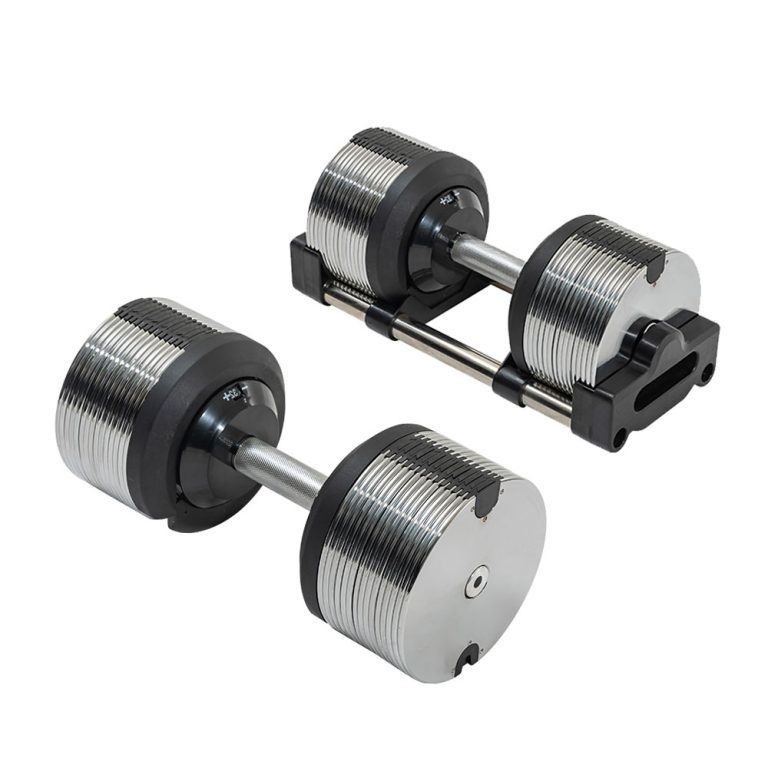
For a holistic training area, consider combining incline trainers with hexagonal rubber-coated dumbbells for strength intervals. The mix of cardio and strength maximizes metabolic burn, and our equipment supports both.
Conclusion
Torque ratings are not just a technical number—they are the backbone of any incline trainer intended for HIIT. High torque ensures smooth, safe, and durable performance, which is essential in commercial environments. By prioritizing motor torque in your purchasing decisions, you invest in member satisfaction and equipment longevity.
At Uport Fitness, we are committed to providing performance-driven equipment that meets the demands of modern training. Explore our range of upright bikes and other cardio machines to build a complete HIIT circuit. Contact us today to discuss your facility’s needs.