Fitness Equipment Manufacturers & Wholesale


Adjustable 10-40kg Dumbbell Set: B2B Buying Guide for Facilities
Introduction
As a gym owner, procurement manager, or fitness equipment distributor, you’re constantly evaluating how to maximize floor space, member satisfaction, and return on investment. Fixed-weight dumbbell sets are a staple, but they consume enormous square footage and capital. A single pair of 40kg dumbbells might cost $150–$250, and a full rack from 5kg to 50kg can run $3,000–$6,000—plus the rack itself and the real estate it occupies. Meanwhile, member expectations are shifting: they want versatility, not just a wall of iron. This guide is written for B2B buyers who need to make informed decisions about modular, adjustable strength equipment. Over the next 2,000+ words, you’ll learn why an adjustable 10kg-40kg multifunction home gym set with custom logo—made of iron and rubber—deserves a place in your facility, how to evaluate it against fixed dumbbells, and how to plan installation, maintenance, and total cost of ownership. We’ll use a specific product from Uport Fitness as the central example: the Adjustable 10kg-40kg Multifunction Home Gym Set Custom Logo Fitness Dumbbell and Barbell Made of Iron and Rubber. By the end, you’ll have a clear framework to decide if this category fits your commercial or residential portfolio.
Why This Matters for Commercial Facilities
In commercial gyms, equipment utilization directly impacts member retention. A 2023 IHRSA report noted that members who use strength equipment at least twice a week are 32% less likely to cancel their membership. But fixed dumbbells have a hidden cost: they require 2–4 square feet per pair when stored on a rack, and a full set can monopolize 40–60 square feet of premium floor space. In a 5,000 sq ft gym, that’s 1.2% of your total area—not huge, but consider that the same space could hold two adjustable sets that serve 10–15 members simultaneously with proper programming.
For hotel gyms, corporate fitness centers, and PT studios, the math is even more compelling. These facilities often operate with 500–1,500 sq ft and need to accommodate cardio, functional training, and strength. An adjustable set like the Uport 10kg-40kg model replaces an entire rack of fixed dumbbells, freeing up 30–40 sq ft for other revenue-generating equipment such as a spinning bike or a recumbent bike. Moreover, adjustable dumbbells typically cost 40–60% less per kilogram of weight capacity than fixed equivalents. For a 40kg adjustable set priced at $299–$499 (depending on customization and order volume), you’re paying $7.50–$12.50 per kg. A fixed 40kg dumbbell pair often costs $12–$20 per kg. That’s a 25–50% savings—before factoring in rack and shipping costs.
Member experience also improves. Adjustable dumbbells allow for rapid transitions between exercises (e.g., from 20kg dumbbell press to 35kg goblet squat), which suits circuit training and HIIT. They also enable a single station to serve multiple strength levels, reducing wait times during peak hours. For facilities that host personal training sessions, the ability to fine-tune weight in 2.5kg increments (common in iron-and-rubber adjustable sets) is a major selling point.
Key Selection Criteria
Before you specify any adjustable set, evaluate these six factors. They separate commercial-grade options from home-use toys.
Build Quality and Materials
The product category in focus uses iron plates with a rubber coating. Iron provides density and durability; rubber protects floors, reduces noise, and prevents rust. Look for rubber that is at least 3mm thick and vulcanized, not just painted on. Cheaper sets use cement or plastic-coated weights that crack under repeated drops. The Uport set uses iron and rubber, which is a reliable combination for high-traffic environments. Check the collar mechanism: screw-on collars are common but can loosen; spin-lock or clamp-style collars offer faster changes. For commercial use, avoid plastic collars—specify metal or heavy-duty nylon.
Footprint and Storage Efficiency
Measure your available space. A typical adjustable set with a stand occupies 2–3 sq ft when vertical, or 4–5 sq ft if stacked. Compare that to a 10-pair fixed dumbbell rack, which needs 15–20 sq ft. For a small PT studio, the difference can free up room for a bench or a spine corrector. Consider whether the set includes a storage tray or stand; many B2B buyers overlook this and then scramble for aftermarket solutions.
Adjustability Range and Increments
The 10kg-40kg range covers most beginner to intermediate lifters. For advanced strength athletes, you may need up to 50kg per dumbbell, but that’s a niche. The critical spec is the weight increment—can you go from 10kg to 12.5kg in one step, or does it jump by 5kg? Finer increments (2.5kg or even 1.25kg with micro-plates) are better for progressive overload and rehab. Also check the barbell conversion: the set should include a connector bar to turn two dumbbells into a barbell. Ensure the connector is solid steel and can handle at least 80kg total.
Warranty and Serviceability
Commercial warranties on adjustable sets vary wildly. A 1-year warranty is standard; 2–3 years indicates confidence. Ask about replaceable parts: collars, handles, and rubber coatings. If a collar strips, can you buy a replacement? For distributors, this affects after-sales support costs. Uport Fitness offers custom logo options, which often come with extended B2B support—negotiate warranty terms based on order volume.
Price-to-Value and Total Cost of Ownership
Calculate cost per kilogram of capacity, not just sticker price. A $399 set with 40kg capacity is $9.98/kg. A $299 set with 30kg capacity is $9.97/kg—similar, but the latter limits progression. Factor in shipping (adjustable sets are heavy—30–50kg per set) and any customs duties. For distributors, MOQs and customization fees (logo printing) add 5–15% to unit cost. The Uport model allows custom logos, which can increase perceived value for your brand or your client’s brand.
Compatibility and Ecosystem
Does the set work with existing racks, benches, or storage? Standard 25mm or 50mm sleeves are common. The Uport set uses a 25mm sleeve for dumbbells and a compatible connector for barbell use. If you already have hexagonal rubber-coated dumbbells, check whether collars are interchangeable. A closed ecosystem can lock you in, but it also ensures fit.
Top Recommendations / Options Compared
We’ll compare three configurations suitable for different facility types. All can incorporate the Uport adjustable set as the core.
Option A: Compact PT Studio (500–800 sq ft)
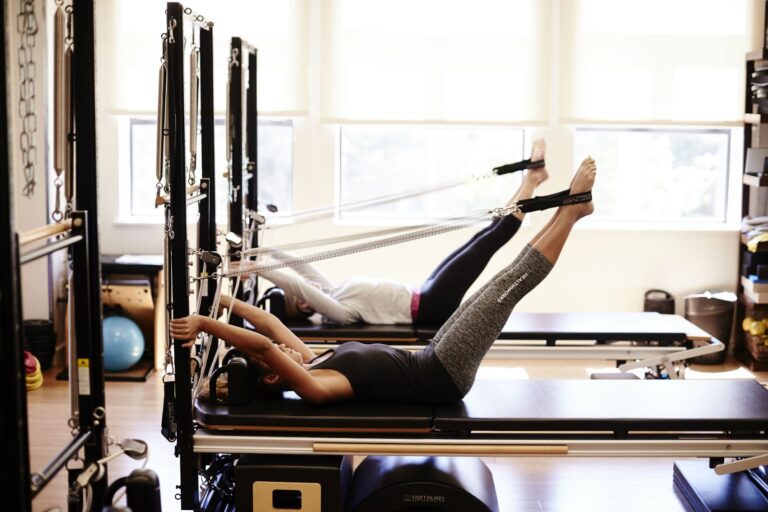
For a boutique personal training studio, space is at a premium. Recommend one Uport 10kg-40kg adjustable set plus a bench and a Wunda Chair for Pilates-inspired strength. This trio covers dumbbell press, rows, squats, lunges, and core work. Total footprint: 30 sq ft. Cost: $399 (set) + $299 (bench) + $899 (Wunda Chair) = ~$1,600. Compare to a fixed dumbbell rack (5–30kg) at $2,200 plus 20 sq ft. The adjustable set wins on both capex and space. For cardio, add a spinning bike if budget allows.
Option B: Hotel or Corporate Gym (1,000–1,500 sq ft)
These facilities need to serve 20–50 users per day with varying goals. Deploy two Uport adjustable sets (one at 10–40kg, one at 5–25kg for lighter users) alongside two upright bikes and one air bike. The adjustable sets eliminate the need for a 10-pair rack, saving 25 sq ft. You can then add a dumbbell rack for the lighter fixed sets if desired, but it’s optional. Total strength equipment cost: ~$800 for two adjustable sets vs. $3,500 for fixed. The savings can fund a aluminum alloy folding bed for recovery or Pilates classes.
Option C: Commercial Gym Box (3,000+ sq ft)
In a larger facility, adjustable sets serve as accessory stations, not replacements for heavy fixed dumbbells. Place four Uport sets in a functional training zone, paired with octagonal dumbbells for high-durability floor work. This hybrid approach gives members the best of both: quick adjustable changes for circuits, and rugged fixed dumbbells for heavy pressing. The adjustable sets also reduce clutter during peak hours. Budget $1,600 for four sets, which is less than a single 50kg fixed pair plus rack. Use the savings to upgrade cardio with a magnetic spinning bike.
Installation, Space & Maintenance Planning
Proper planning prevents downtime and member frustration. Follow these guidelines.
Installation Requirements
- Flooring: Rubber mats at least 8mm thick are recommended under adjustable sets to protect plates and flooring. If your facility has wood or tile, use 12mm mats.
- Clearance: Allow 24–36 inches around each set for safe lifting and collar adjustments. For barbell conversion, you need at least 7 feet of horizontal clearance.
- Assembly: Most sets require attaching handles to plates or assembling the connector bar. Budget 15–30 minutes per set for initial assembly. No special tools beyond a wrench are typically needed.
- Storage: Use the included stand or a dedicated shelf. Never stack plates on the floor—it damages rubber and creates tripping hazards.
Maintenance Schedule
- Daily: Wipe handles and collars with a disinfectant wipe. Inspect for loose collars.
- Weekly: Check rubber coating for cracks or tears. Tighten any bolts on the connector bar.
- Monthly: Lubricate screw threads on collars with a silicone-based lubricant. Inspect plates for rust (especially if humidity is high).
- Quarterly: Deep clean rubber with a mild soap solution. Replace worn collars or handles as needed.
Total Cost of Ownership
Assume a 3-year lifespan for commercial use. Initial cost: $399 per set. Annual maintenance: $20–$50 per set (replacement collars, lubricant, cleaning supplies). Total 3-year TCO: ~$460–$550 per set. Compare to fixed dumbbells: initial $2,200 for a 5–30kg rack, plus $100/year maintenance (replacing worn plates), plus $500 for rack replacement every 5 years. Over 3 years, fixed costs ~$2,500. Adjustable saves ~$2,000 per station. For a 10-station gym, that’s $20,000 in savings—enough to fund a Pilates Reformer or a wooden folding bed.
Common Buying Mistakes to Avoid
- Mistake 1: Assuming all adjustable sets are commercial-grade. Many home-use sets have plastic collars and cement plates. For commercial use, insist on iron plates, rubber coating, and metal collars. The Uport set meets these specs.
- Mistake 2: Ignoring weight increment needs. If your members are beginners, 5kg jumps are fine. For rehab or advanced training, 2.5kg increments are essential. Check the plate breakdown before buying.
- Mistake 3: Underestimating storage and handling. Adjustable sets are heavier than they look—a 40kg set weighs 40kg. Ensure your storage solution can handle the load and that staff can move it safely.
- Mistake 4: Overlooking customization and branding. If you’re a distributor or gym chain, custom logos build brand recognition. The Uport set offers custom logo options, but lead times can be 2–4 weeks longer. Plan accordingly.
- Mistake 5: Forgetting about warranty and spare parts. A cheap set with no spare parts becomes landfill after one broken collar. Choose a supplier that stocks replacements.
FAQs
Can adjustable dumbbells replace a full fixed dumbbell rack in a commercial gym?
For facilities under 2,000 sq ft or with limited strength training demand, yes. They cover 10–40kg per hand, which suits 80% of members. However, for powerlifting or Olympic lifting, fixed dumbbells and barbells are still necessary. A hybrid approach works best for larger gyms.
What is the typical lead time for custom logo orders?
Standard sets ship in 3–7 days. Custom logo sets require 2–4 weeks for production plus shipping. For B2B orders over 50 units, negotiate a delivery schedule with your supplier. Uport Fitness typically quotes 15–25 business days for customized orders.
How do I clean and maintain the rubber coating?
Use a mild soap and water solution or a dedicated rubber cleaner. Avoid alcohol-based cleaners, which dry out rubber. Wipe dry immediately. Inspect for cracks monthly and apply a rubber conditioner every 6 months if the set is in a high-humidity environment.
Are these sets suitable for hotel gyms with limited space?
Absolutely. A single set occupies 2–3 sq ft and provides 10–40kg per hand. For a hotel gym with 500 sq ft, one adjustable set plus a recumbent bike and a bench covers all major muscle groups. It’s a cost-effective, space-saving solution.
What is the warranty on the Uport adjustable set?
Uport Fitness offers a 12-month warranty on parts and labor for standard orders. For B2B buyers ordering 20+ units, extended warranties up to 36 months are available. Always confirm warranty terms in writing before purchase.
Conclusion
The adjustable 10kg-40kg multifunction dumbbell and barbell set is not a compromise—it’s a strategic asset for modern fitness facilities. It delivers 40kg of per-hand capacity in 2–3 sq ft, costs 40–60% less per kilogram than fixed dumbbells, and supports progressive overload with finer increments. For hotel gyms, PT studios, and commercial gym boxes, it frees up space and capital for other revenue-generating equipment like air bikes or Wunda Chairs. The Uport Fitness model—iron and rubber construction, custom logo option, and B2B support—is a strong candidate for your next procurement cycle. As a next step, request a sample unit and run a 30-day trial in your facility. Measure member usage, maintenance time, and space savings. Then scale your order. For detailed specs and pricing, visit the Adjustable 10kg-40kg Multifunction Home Gym Set Custom Logo Fitness Dumbbell and Barbell Made of Iron and Rubber product page. Your floor space and your bottom line will thank you.