Fitness Equipment Manufacturers & Wholesale


Strength Gear for Military & First Responder Facilities | Uport Fitness
Selecting Durable Strength Equipment for Military and First-Responder Training Facilities
The unique demands of tactical training environments: high-traffic, multi-user, and mission-critical
Military and first-responder training facilities operate nothing like a boutique hotel gym. A typical on-base tactical fitness center may see 300 to 800 personnel pass through daily, with peak windows of 90 minutes before physical training formations. Equipment is used by multiple users per hour, often in boots and tactical gear, and frequently without the careful form cues a personal trainer would provide. Racks get racked hard, dumbbells get dropped, and ropes get dragged across concrete. When a unit’s physical readiness depends on that equipment, downtime is not an inconvenience — it is a mission-readiness failure.
First-responder facilities face a similar profile. A municipal police or fire training center might run 40 to 120 recruits per class through circuits that combine strength work, carries, drags, and obstacle-style conditioning. The gear must tolerate abnormal loads (a 220 lb recruit plus 80 lb of gear), sudden dynamic forces, and near-continuous duty cycles. This is why commercial-grade and heavier is the baseline, not an upgrade.
Overview of the comparison: criteria, facility-specific options, costs, and support
This guide compares strength equipment options against the criteria that matter in tactical settings: steel gauge and weld quality, load ratings, footprint efficiency, safety compliance, serviceability, and supplier reliability. We then break down recommendations by facility type — on-base fitness centers, first-responder training rooms, functional zones, and recovery areas — with realistic 2024–2025 price ranges. Finally, we cover total cost of ownership, warranty terms, delivery logistics, and what to verify before committing to a bulk order.
Why Uport Fitness is a trusted partner for rugged strength solutions
Uport Fitness builds commercial-grade strength equipment with Q235 steel frames, reinforced welds, and load ratings designed for institutional use. The catalog spans all-in-one Smith machine power racks, multi-function squat racks, adjustable dumbbells, battle and climbing ropes, Pilates reformers, and EPDM rubber flooring — a single-source supply that simplifies procurement for government and agency buyers. Teams that need to verify build quality can review the essential guide to men’s fitness equipment and performance gear for a deeper look at materials and construction standards.
Market Context and Why Now: Rising Demand for Tactical Strength Gear
Increased focus on physical readiness in military and first-responder units
Physical readiness testing has tightened across branches and agencies. The Army Combat Fitness Test (ACFT), the Marine Corps PFT/CFT updates, and law-enforcement fitness standards all emphasize loaded carries, sled pushes, and functional strength rather than pure barbell lifts. That shift drives demand for equipment that supports multi-plane movement: functional trainers, sled tracks, sandbag zones, and rig-based stations. Facilities that were built around treadmills and selectorized machines in the 2000s are being retrofitted with open floor space and modular strength stations.
Supply chain considerations for B2B buyers: lead times, bulk orders, and customization
Procurement officers now prioritize suppliers who can commit to firm lead times. Domestic distributors often quote 6–10 weeks for commercial racks; direct-from-factory programs can land large orders in 30–45 days plus transit when scheduled properly. Bulk orders typically start at 10–20 units per SKU to unlock tier pricing, and custom branding — laser-etched logos, agency colors, unit insignia — usually adds 5–10 business days. Buyers should confirm whether customization is done at the factory or after import, because post-import branding adds cost and handling risk.
The shift toward multifunctional, space-saving equipment in tactical facilities
Square footage is the scarcest resource in tactical facilities. A single all-in-one unit can replace a power rack, cable crossover, Smith machine, and pull-up station in roughly 120 × 80 inches of floor space, which is critical when a training room must also host briefing areas or equipment storage. Multifunctional machines also reduce the total number of units to inspect, maintain, and replace, which directly lowers lifecycle cost.
How Uport Fitness addresses these trends with heavy-duty gear
Uport’s all-in-one platforms consolidate multiple strength functions into one welded steel frame — see the multifunctional Smith machine power rack with weight stack and cable crossover as a representative build. For buyers prioritizing footprint efficiency, the Q235 steel frame all-in-one functional trainer delivers a similar multi-station approach with a smaller overall envelope.
Comparison Criteria That Actually Matter for Tactical Strength Equipment
Durability and Construction: Materials, Welds, and Load Ratings
Look for 11- or 12-gauge (roughly 2.5–3 mm) steel tubing at minimum for load-bearing frames; heavy-duty racks frequently use 3 mm Q235 or comparable structural steel. Welds should be full-penetration at stress points — where uprights meet base plates, and where cable pulleys mount. Demand a stated static load rating: quality commercial racks typically rate 1,000–1,500 lb, and Olympic bars should be rated for 700–1,500 lb depending on tensile strength (190,000 psi is a common commercial benchmark). Powder-coat finishes should be at least 2–3 mils thick to resist chipping from dropped plates and boot scuffs.
Versatility and Footprint: Multi-Function vs. Single-Use Machines
A dedicated leg press may serve 15 users per hour; a multi-function frame with leg stations, cable work, and a squat area may serve 40. In high-traffic tactical settings, versatility per square foot is a more useful metric than price per machine. A practical rule: if a station cannot support at least three distinct training protocols (e.g., squat, press, pull), it likely doesn’t earn its floor space.
Safety Features and Compliance: Standards for Military and First-Responder Use
Safety features to verify in writing include locking J-hooks, safety spotter arms rated to the rack’s load capacity, weight-stack guards on cable machines, and non-slip foot platforms. For facilities subject to government procurement, confirm that the supplier can provide material certifications, load-test documentation, and compliance statements for ASTM/EN-equivalent structural standards — procurement audits increasingly request these before award.
Maintenance and Longevity: Ease of Service and Replacement Parts
Ask three questions before purchase: How long is the cable replacement interval under daily use (expect 12–24 months for high-traffic cable machines)? Are pulleys, cables, and weight-stack bushings stocked as individual parts? And how long does it take to get a replacement upright or base plate? A rack with a 15-year frame life but a 6-week parts lead time will still produce unacceptable downtime. Keep a minimum spares kit on site: two cable sets, four pulley assemblies, and a set of J-hooks per major unit.
Supplier Reliability: Customization, Bulk Order Fulfillment, and Support
Evaluate suppliers on four delivery factors: documented lead times, willingness to hold inventory for phased installs, responsiveness during the quoting stage (a proxy for after-sales service), and whether customization is handled in-house. For multi-site agencies, confirm the supplier can standardize SKUs across locations so parts and warranties stay consistent.
Top Equipment Options for Different Military and First-Responder Facility Types
For On-Base Tactical Fitness Centers: All-in-One Smith Machine Power Rack
Budget and Total Cost of Ownership for Tactical Strength Equipment
Upfront Investment: Price Ranges for Commercial-Grade Gear
Warranty, Delivery, and After-Sales Support: What to Verify Before Bulk Orders
Warranty Terms: Coverage Length and What’s Included
FAQs: Military and First-Responder Strength Equipment
What are the most durable strength machines for high-traffic tactical facilities?
Prioritize all-in-one Smith machine power racks and multi-function squat racks built from 11- or 12-gauge (2.5–3 mm) Q235 steel with full-penetration welds and stated static load ratings of 1,000 lb or more. Cable-based units should use 6 × 19 or 7 × 19 galvanized steel cable with a minimum 2,000 lb breaking strength and sealed bearing pulleys. For a full build comparison, see Uport’s multi-functional power rack and squat rack options designed for institutional workloads.
How does Uport Fitness handle custom branding and bulk orders?
Uport supports logo engraving, custom color powder coating, and unit-specific branding on racks, dumbbells, and specialty frames. Bulk orders typically start at 10 units per SKU; customization adds 5–10 business days and is quoted separately. MOQ, pricing tiers, and factory-direct lead times are confirmed during the quoting process.
What flooring is best for military and first-responder gyms?
EPDM rubber flooring is the standard. For open weight areas, 8–12 mm interlocking rolls with 60–90 Shore A hardness handle dropped plates and sled traffic. For recovery/yoga zones, 4–6 mm tiles are sufficient. Uport offers both anti-slip EPDM rubber floor rolls and interlocking sports-flooring options, sized for 1,000–5,000 square foot installs.
Can Uport Fitness equipment be customized for specific training protocols?
Yes. Attachment points, landmine brackets, pull-up bar configurations, and stack weights can all be specified within reasonable engineering limits. For agencies running specialized protocols (firefighter drags, patrol carries, tactical circuits), supplying a written protocol list during the quoting stage ensures the equipment matches the training need rather than the other way around.
Common Mistakes When Outfitting Tactical and First-Responder Training Facilities
Buying commercial-grade equipment rated for boutique gym traffic
The single most expensive mistake facility planners make is specifying equipment designed for a 200-member boutique gym and installing it in a building that serves 800 tactical athletes per day. Commercial-grade is not the same as institutional-grade. A rack rated for 500 pounds of static load may still fail under repeated dynamic drops from a 240-pound operator in body armor. Always ask vendors for cycle-test data, not just maximum load ratings, and confirm the warranty explicitly covers multi-shift, high-traffic institutional use rather than light commercial applications.
Ignoring the boot-and-gear variable in floor and surface planning
Standard rubber gym flooring is typically specified for athletic shoes. Tactical personnel often train in combat boots, and some drills involve dragging sleds, sandbags, or loaded duffels across the surface. Under those conditions, thin interlocking tiles shear, curl at the seams, and become trip hazards within months. Specify thicker vulcanized rubber or poured urethane in high-drag zones, and budget for replacement of the highest-wear lanes on a three-to-five-year cycle instead of assuming a one-time purchase.
Underestimating storage and rapid-reconfiguration needs
Unit training is cyclical. One week a facility may run circuit-based conditioning for a full company; the next it hosts small-group strength blocks for a dozen operators. Facilities that lock equipment into fixed positions or lack rapid-access storage end up with congested floors and damaged gear. Plan for vertical storage, mobile racks, and clearly marked reconfiguration zones so staff can reset the floor in under twenty minutes between training groups without moving loaded racks across the room.
Treating maintenance as an afterthought rather than a line item
Budget proposals frequently capture the purchase price but omit the ongoing cost of inspection, torque checks, cable replacement, and upholstery repair. In a mission-critical facility, a failed cable or a cracked weld can sideline an entire training lane during the busiest window of the day. Build a preventive maintenance schedule into the procurement plan, negotiate spare-part availability into the contract, and train at least two staff members on routine inspection so small issues are caught before they become readiness gaps.
Final Verdict: Choosing the Right Strength Gear for Your Facility
Recommendations by Buyer Type: Military, Law Enforcement, Fire/EMS
Military on-base facilities: Lead with 2–4 all-in-one Smith machine power racks plus 2 multi-function squat racks, a functional zone with ropes and sleds, and 8–12 mm EPDM flooring. Prioritize hoppers and cable stations that support ACFT-style movement patterns.
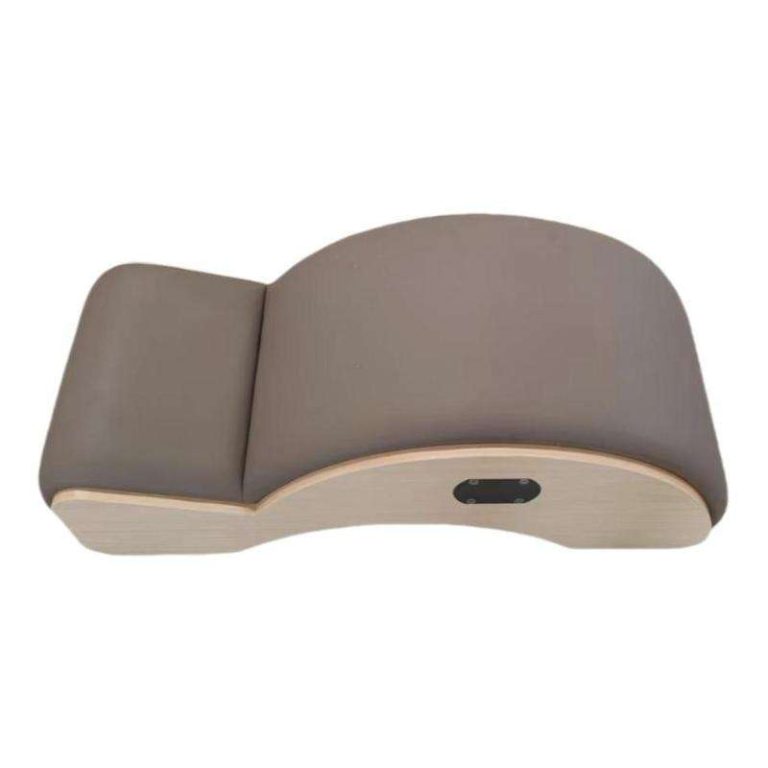
Law enforcement training centers: Multi-function squat racks, octagonal adjustable dumbbells, and a midsize cable functional trainer. Add a small recovery area with a Pilates reformer for injury mitigation among officers returning from field injuries.
Fire and EMS: Emphasize functional durability — drag zones, sled runs, rope climbs, and grip-strength tools. Standardize on commercial power racks and heavier dumbbells (up to 50 kg) because firefighter training commonly involves gear-on lifting and carries.
Why Uport Fitness Delivers Long-Term Value
Uport Fitness combines commercial-grade construction with factory-direct pricing, which means agencies get institutional durability without the retail markup. One supplier covers racks, dumbbells, ropes, flooring, and recovery equipment — simplifying procurement, standardizing service, and reducing total cost of ownership across 10+ year lifecycles. For agencies building or renovating tactical facilities, the combination of heavy-duty build quality, customization support, and parts availability is exactly what long-term planning demands.
Next Steps: Request a Quote and Sample Testing
Before signing a bulk order, request: (1) a formal quote with lead times and warranty terms in writing; (2) material certifications and load-rating documentation; (3) references from comparable military or first-responder installations; and (4) whenever possible, a sample unit or factory video verification of weld quality and cable routing. Contact Uport Fitness at uportfitness.com to start a specification review — bring your facility layout, user count, and training protocols, and the team can build a bundled quote that fits your capital budget and your mission requirements.