Fitness Equipment Manufacturers & Wholesale


Vertical Climbers for Corporate Gym Small Group Training
Introduction
Corporate wellness programs are evolving. As companies invest more in onsite fitness facilities, the demand for versatile, space-efficient, and engaging equipment has never been higher. Among the emerging favorites are vertical climbers—machines that simulate a climbing motion while engaging both the upper and lower body. This article explores how to effectively integrate vertical climbers into small group training for corporate onsite gyms, unlocking new levels of efficiency and member satisfaction.
Why Vertical Climbers Are Perfect for Corporate Gyms
Vertical climbers offer unique advantages that align with the goals of corporate fitness facilities. They are compact, low-impact, and provide a full-body workout that is both challenging and rewarding. Unlike traditional cardio machines, climbers require a coordinated effort from arms and legs, making them a fantastic tool for improving cardiovascular endurance and muscular strength simultaneously. Their small footprint makes them ideal for gyms with limited space, while their high-intensity nature allows employees to achieve significant results in short sessions—perfect for lunchtime workouts or quick stress-relief breaks.
Space Efficiency and Return on Investment
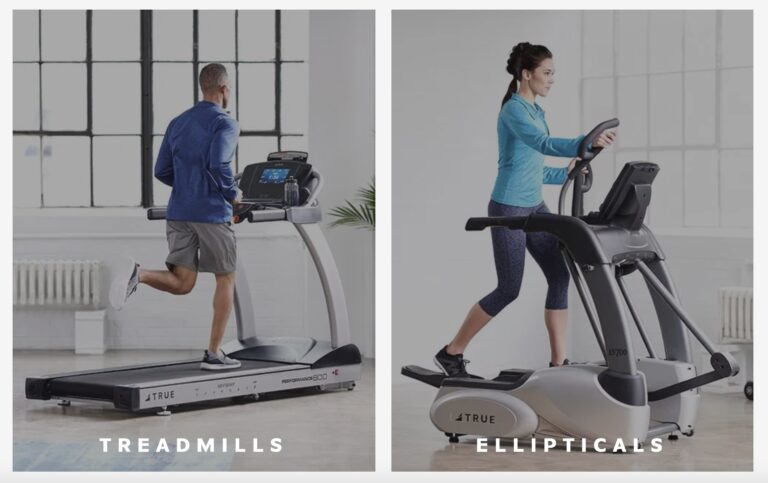
In a corporate setting, square footage is precious. Vertical climbers take up minimal floor space compared to treadmills or elliptical trainers. This allows facility managers to maximize the number of exercise stations without overcrowding. Moreover, their durability and low maintenance costs ensure a strong return on investment, making them a smart addition to any air bike-equipped functional zone.
Designing Small Group Training Circuits with Vertical Climbers
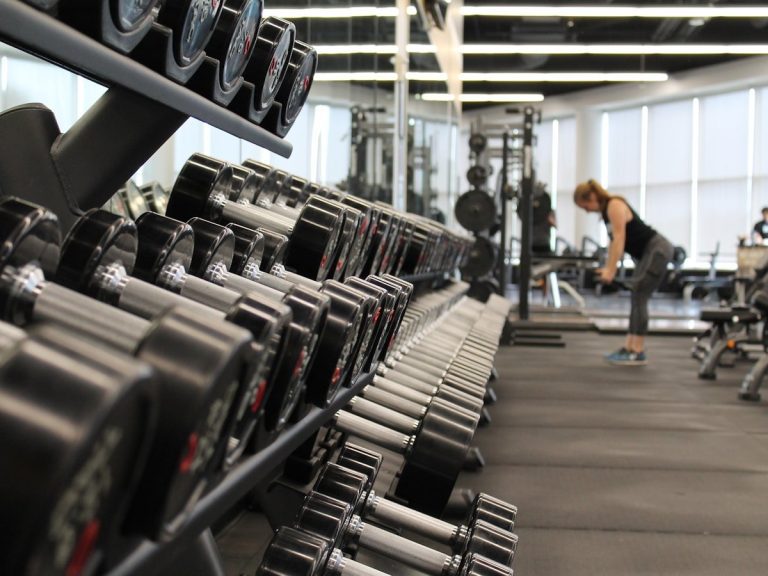
Small group training is all about variety, intensity, and teamwork. Vertical climbers fit seamlessly into circuit-style workouts where participants rotate through different stations. By combining climbers with other equipment such as dumbbells and ball bags, trainers can create a balanced session that targets all major muscle groups while keeping heart rates elevated.
Sample Circuit for 6-8 Participants
A typical circuit might include: 1 minute on the vertical climber, 1 minute of dumbbell goblet squats, 1 minute of ball bag slams, and 1 minute of rest. Repeat for 3-5 rounds. This format ensures that each participant gets ample time on the climber while fostering a sense of camaraderie and healthy competition.
Integrating with Existing Equipment
Vertical climbers can be paired with other popular machines such as spinning bikes or upright bikes to create a diverse cardio zone. This variety prevents boredom and ensures that employees with different fitness levels can find a suitable challenge.
Benefits for Corporate Employees
The benefits of incorporating vertical climbers into corporate small group training extend beyond physical fitness.
Time-Efficient Workouts
Employees often have limited time. Vertical climbers deliver an intense workout in as little as 15 minutes, making them perfect for busy schedules. The full-body engagement also means that employees can skip separate strength sessions, saving even more time.
Low Impact, High Results
For employees with joint sensitivities, vertical climbers offer a low-impact alternative to running or jumping. The smooth motion reduces stress on knees and ankles while still providing a vigorous cardiovascular challenge. This inclusivity encourages broader participation across all age groups and fitness levels.
Mental Health and Stress Reduction
Climbing is a natural stress reliever. The rhythmic, full-body movement can help employees clear their minds, reducing stress and improving mental clarity. This, in turn, boosts productivity and overall job satisfaction.
Overcoming Common Challenges
Integrating new equipment into a corporate gym can come with hurdles. Here’s how to address them.
Training Staff
Ensure that fitness staff are fully trained on vertical climber usage and can demonstrate proper form. They should be able to provide modifications for various fitness levels and safety guidelines. Consider offering workshops or certification courses.
User Education and Safety
Provide clear signage and instructional videos near the climbers. Encourage new users to start with a slow, controlled pace to master the movement pattern before increasing intensity. Emphasize the importance of posture and breathing to prevent injury.
Maintenance and Durability
Choose high-quality commercial-grade vertical climbers that can withstand heavy daily use. Partner with a reliable supplier like Uport Fitness, known for robust equipment. Regular maintenance checks will ensure longevity and safety.
Measuring Success and Adapting
To justify the investment and refine programming, it’s essential to track usage and outcomes. Use wearable tech or gym management software to monitor participation rates, workout duration, and employee feedback. This data can help you adjust class schedules, circuit designs, and equipment placements.
Conclusion
Vertical climbers are a versatile, efficient, and engaging addition to corporate onsite gyms. By integrating them into small group training, you can boost employee participation, improve fitness outcomes, and maximize your facility’s potential. As you plan your next equipment upgrade, consider the durable and innovative options available from Uport Fitness. With the right approach, vertical climbers can become the centerpiece of your corporate wellness program.
Designing a 15-Minute Small Group Vertical Climber Circuit
To maximize the return on your vertical climber investment, structured programming is essential. A well-designed circuit can transform a simple row of machines into a high-energy, results-driven experience that keeps employees engaged and coming back for more. Below is a practical, scalable 15-minute session—the “Corporate Ascender Circuit”—designed for groups of four to six participants, requiring only one vertical climber per two people.
The circuit is built on a work-to-rest interval model that balances metabolic conditioning with muscular endurance. Begin with a five-minute dynamic warm-up that includes arm circles, leg swings, and bodyweight squats to prepare the shoulders, hips, and ankles for the climbing motion. Then, split your group into two teams. Team A starts on the vertical climbers, while Team B performs a bodyweight strength exercise in the designated floor zone next to the machines. After each three-minute block, the teams switch. This setup keeps everyone moving and eliminates idle wait time—a critical factor in a busy corporate gym environment.
The Main Set (10 minutes): Each team completes the following series on the climber, with the partner actively spotting or coaching. The first two minutes are steady-state climbing at a moderate pace (RPE 5-6) to lock in form: keep the core tight, shoulders relaxed, and strides smooth. The next three minutes introduce intervals: 30 seconds of fast, explosive climbing (RPE 8-9), followed by 30 seconds of slow, controlled recovery climbing. Repeat this interval sequence three times. During the floor exercise block, partners alternate between push-ups (to the knees if needed) for one minute, bodyweight lunges for one minute, and a plank hold for the final minute. This upper/lower/core split ensures that no muscle group is overused while the other team climbs.
Finisher and Cool Down (5 minutes): To close the session, bring the entire group together for a final two-minute team challenge. Each participant climbs for one minute at a sustained, challenging pace, counting their total “climbed feet” on the machine’s display. The team with the highest combined total earns bragging rights—a simple gamification element that boosts morale. Finish with a three-minute guided cool-down: walking lunges, hamstring stretches, and deep shoulder rolls. This structured approach not only improves cardiovascular fitness and muscular endurance but also adds a social, team-building component to the workplace—an outcome that aligns perfectly with corporate wellness objectives.
For fitness managers, this circuit solves two common problems: underutilized equipment and monotonous workouts. By rotating exercises and pairing members, you also encourage cross-departmental interaction, which can have intangible benefits for company culture. Furthermore, the low-impact nature of the vertical climber makes it accessible to employees of varying fitness levels—from the seasoned runner to the desk-bound beginner—provided you emphasize self-pacing and offer regressions for those who need them. With this template in hand, your onsite gym becomes a hub of energy, efficiency, and positive peer reinforcement.