Fitness Equipment Manufacturers & Wholesale


Rower Maintenance Guide for Long-Term Club Performance
Introduction
Rowing machines are a cornerstone of any well-equipped commercial fitness facility. They deliver a full-body, low-impact workout that appeals to everyone from beginners to elite athletes. However, like all cardio equipment, rowers face constant use and abuse. Without a structured maintenance plan, even the most durable rower can suffer from premature wear, leading to costly repairs and unhappy members. For club owners and facility managers, understanding the nuances of rower maintenance is not just about fixing problems—it’s about preventing them. This guide provides a practical, long-term maintenance strategy to keep your fleet in top condition, minimize downtime, and protect your investment.
Why Rower Maintenance Matters for Clubs
In a commercial setting, rowers endure hundreds of workouts each week. Each pull on the handle, each slide on the rail, and each resistance change puts stress on the machine’s components. Neglecting regular maintenance can lead to a cascade of issues: squeaky chains, rough pulls, unresponsive monitors, and ultimately, safety hazards. The financial impact is significant. Unplanned downtime means lost usage and potentially lost memberships. Moreover, poor equipment condition reflects badly on your club’s professionalism. A well-maintained rower not only performs better but also lasts longer, giving you a better return on investment. By establishing a proactive maintenance routine, you ensure that your rowers remain reliable, safe, and enjoyable for every user.
Daily Maintenance: Quick Checks for Peak Performance
Daily care should be quick and simple, often integrated into your staff’s opening or closing checklist. These short checks help catch minor issues before they escalate.
Wipe Down the Frame and Seat Rail
After each day’s use, wipe down the entire machine, paying special attention to the seat rail. Sweat and dust accumulate quickly and can make the seat glide unevenly. Use a mild, non-abrasive cleaner and a soft cloth. Avoid harsh chemicals that can damage the frame’s powder coating or the monitor’s screen.
Inspect the Handle and Straps
Check the handle for cracks or wear. Ensure the straps are not frayed and that they retract properly. A broken strap or handle can cause injury and disrupt workouts. If you notice any damage, schedule a replacement immediately.
Check the Chain Tension and Operation
Give the chain a quick visual check. It should be clean, lubricated, and move smoothly without catching. If you hear a clicking or grinding noise, it may indicate a loose chain or a need for lubrication. Follow the manufacturer’s guidelines for adjusting chain tension.
Weekly Maintenance: Keeping Things Smooth and Clean
Weekly maintenance takes a bit more time but is essential for preserving the machine’s integrity.
Deep Clean the Seat Rail and Rollers
Use a dry cloth or a vacuum with a brush attachment to remove debris from the seat rail. Then, wipe the rail with a slightly damp cloth to pick up any remaining residue. Inspect the seat rollers for hair, lint, or other tangled materials that can impede smooth movement.
Lubricate the Chain (If Required)
Each rower model has specific lubrication needs. Some use sealed bearings and require no chain lubrication, while others need a silicone-based lubricant. Check your owner’s manual. Over-lubrication can attract dust and grime, so apply only as recommended.
Test the Resistance Function
Cycle through the resistance settings to ensure the mechanism responds correctly. If you have adjustable air or magnetic resistance, listen for unusual noises or resistance that doesn’t change as expected. This helps identify mechanical issues early.
Monthly Maintenance: In-Depth Inspection and Care
A monthly maintenance session is the ideal time to conduct a more thorough examination and service.
Check and Tighten All Bolts and Screws
Vibrations from use can loosen bolts over time. Use the appropriate tools to check and tighten every visible fastener, especially on the frame, seat support, and handlebar assembly. This simple step prevents wobbles and ensures user safety.
Inspect the Monitor and Cables
Check the monitor’s display for clarity and response. Ensure all buttons work. Inspect the connecting cables for any fraying or loose connections. If the monitor is battery-powered, replace batteries if needed. If it’s wired, check the cable routing for any pinch points.
Clean Air Vents and Filters (For Air Rowers)
Air rowers have vents that can become clogged with dust, reducing airflow and increasing resistance inconsistency. Use a vacuum or compressed air to clean the vents and any removable filters. If the model has a fan wheel, check for dust buildup and clean it gently.
Common Rower Issues and How to Address Them
Even with regular maintenance, issues may arise. Knowing how to troubleshoot common problems can save you money on service calls.
Squeaky Seat or Uneven Glide
This is usually caused by dirt or dried sweat on the seat rail or rollers. Clean the rail and rollers thoroughly. If the squeak persists, the rollers may need lubrication or replacement.
Rough Chain or Grinding Noise
A rough chain often indicates lack of lubrication or misalignment. Clean and lubricate the chain as recommended. If the noise continues, inspect the sprocket and chain guide for wear.
Monitor Not Working or Displaying Incorrect Data
First, check the batteries (if any) and connections. If using a wireless sensor, ensure it’s paired correctly. If the problem persists, the sensor or monitor may need recalibration or replacement.
Seasonal Maintenance: Preparing for High and Low Traffic
Club usage often fluctuates with seasons—January sees a surge, summer may dip. Use these shifts to your advantage.
Pre-New Year Rush
Before the January influx, perform a full maintenance sweep on all rowers. Deep clean, lubricate, tighten, and test each machine. This ensures they are in peak condition when demand is highest.
Summer Downtime
If usage drops in the summer, use this time for more extensive repairs or part replacements. Consider repainting scratched frames, replacing worn grips, or upgrading monitors if needed.
When to Call a Professional Technician
While many maintenance tasks can be handled in-house, some issues require a professional. If you encounter persistent electrical problems, monitor failures, structural damage, or resistance mechanisms that do not respond to standard adjustments, it’s time to call a certified technician. Attempting complex repairs can void warranties and lead to further damage. Ensure your staff knows the limits of their troubleshooting abilities.
Extending the Life of Your Rowers: Best Practices
Beyond scheduled maintenance, adopting best practices can significantly extend your rowers’ lifespan.
Staff Training
Train your staff on proper equipment usage and monthly checks. Encourage them to report any abnormal noise or performance immediately. A proactive culture is your best defense against major breakdowns.
Member Education
Post signage on how to use the rowers correctly. Teach members to reset the machine properly and to wipe it down after use. This reduces wear and tear and fosters a sense of ownership.
Rotate Usage
If possible, guide members to use a variety of rowers throughout the day. This prevents excessive wear on a single unit.
Connecting Maintenance to Your Full Equipment Ecosystem
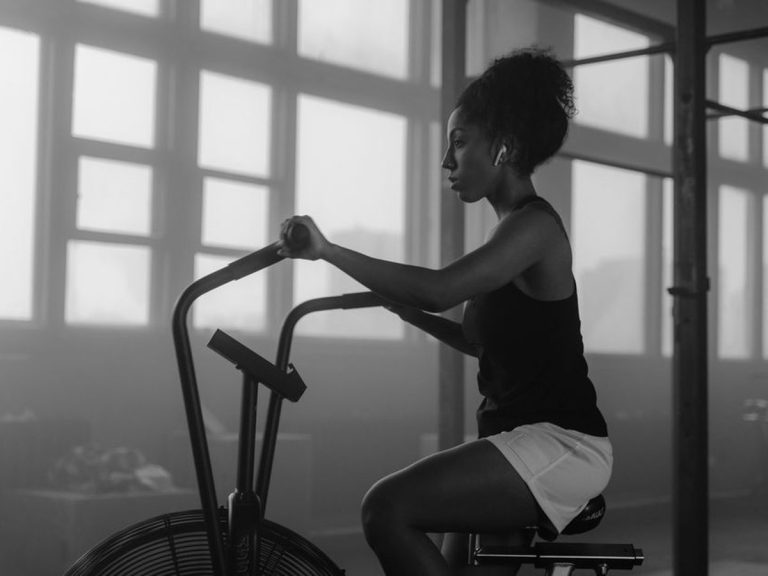
Your rowers are just one part of your cardio fleet. Developing a comprehensive maintenance schedule for all cardio machines ensures consistent performance across the board. For example, air bikes have similar maintenance needs regarding belts and fans, while magnetic spinning bikes require less frequent service but still demand regular attention. Integrating rower maintenance into a broader plan helps you manage your team’s workload and track all equipment health in one place.
Conclusion
Rower maintenance is not an afterthought—it’s an investment in your club’s longevity and reputation. By implementing a structured daily, weekly, and monthly care routine, you not only extend the life of your equipment but also provide a consistently superior experience for your members. Remember, a well-maintained rower is a joy to use, while a neglected one can drive members away. Invest time in regular upkeep, train your staff, and don’t hesitate to call professionals for complex issues. Your rowers will thank you with years of reliable service. To ensure your club is equipped with the most durable and user-friendly rowers, explore our range of recumbent bikes and other cardio machines that complement your facility’s needs. And for a full suite of high-quality strength training tools, consider our adjustable dumbbells to round out your club’s offering. Together, with proper maintenance, your equipment will deliver outstanding performance for years.